

Hey there! As a supplier of PP Honeycomb Panels, I often get asked about the regulatory requirements for using these panels in different industries. It's a crucial topic because meeting the right regulations ensures safety, quality, and compliance. So, let's dive into what you need to know when using PP Honeycomb Panels across various sectors.
Construction Industry
In the construction world, safety is paramount. PP Honeycomb Panels are used for a variety of applications, like wall partitions, ceilings, and even in some lightweight structural elements. One of the key regulatory requirements is fire resistance. Building codes in many regions mandate that materials used in construction meet certain fire safety standards. For example, in the United States, the National Fire Protection Association (NFPA) has standards such as NFPA 285, which assesses the fire performance of non - load - bearing exterior wall assemblies.
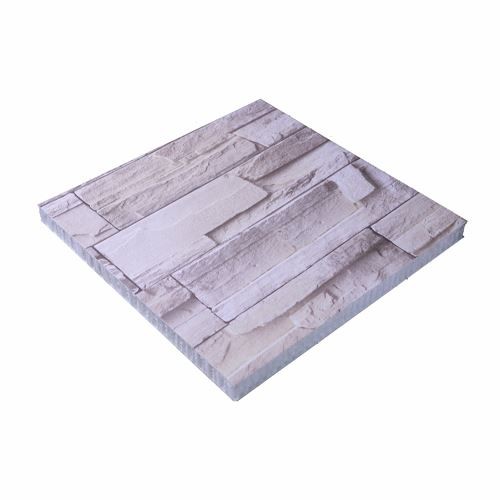
PP Honeycomb Panels need to be tested and certified to show that they don't contribute significantly to the spread of fire. This might involve treating the panels with fire - retardant chemicals during the manufacturing process. Another aspect is the structural integrity. The panels should be able to withstand the loads they are designed for. Local building authorities usually have guidelines on the minimum strength and stiffness requirements for construction materials. If you're using Honeycomb - building - panels in a multi - story building, they need to be able to handle the weight of people, furniture, and other loads over time.
Transportation Industry
When it comes to transportation, whether it's automotive, aerospace, or marine, weight and safety are the top priorities. In the automotive industry, PP Honeycomb Panels are used for interior components like door panels, seat backs, and dashboard parts. These panels need to meet strict safety regulations regarding impact resistance. For instance, the Federal Motor Vehicle Safety Standards (FMVSS) in the US set requirements for how interior parts should perform in the event of a collision to minimize injury to passengers.
In aerospace, the panels must be extremely lightweight to reduce fuel consumption, but also strong enough to withstand the stresses of flight. The Federal Aviation Administration (FAA) has a set of regulations that govern the materials used in aircraft construction. PP Honeycomb Panels need to be tested for their mechanical properties, such as tensile strength, shear strength, and compression strength. They also need to meet strict flammability requirements to prevent fires in case of an emergency.
In the marine industry, the panels are exposed to harsh environments, including saltwater, UV radiation, and high humidity. Regulations here focus on corrosion resistance and durability. The American Bureau of Shipping (ABS) has guidelines for materials used in shipbuilding. PP Honeycomb Panels need to be able to resist the corrosive effects of saltwater and maintain their structural integrity over long periods.
Packaging Industry
The packaging industry has its own set of regulatory requirements for using PP Honeycomb Panels. One of the main concerns is food safety when the panels are used for packaging food products. In the European Union, the European Food Safety Authority (EFSA) sets standards for materials that come into contact with food. PP Honeycomb Panels must be made from food - grade materials and should not release any harmful substances into the food.
Another aspect is recyclability. With the growing emphasis on environmental sustainability, many countries are implementing regulations to encourage the use of recyclable packaging materials. PP Honeycomb Panels are generally recyclable, but they need to meet certain criteria to be labeled as such. This might involve ensuring that the panels can be easily separated from other packaging components during the recycling process.
Furniture Industry
In the furniture industry, comfort, safety, and durability are the key factors. PP Honeycomb Panels are used for making lightweight furniture pieces, such as chairs, tables, and cabinets. Safety regulations often focus on the stability of the furniture. For example, in the UK, the Furniture and Furnishings (Fire) (Safety) Regulations require that furniture meets certain fire safety standards. The panels used in furniture should not easily catch fire and should slow down the spread of flames in case of a fire.
Durability is also important. The panels need to be able to withstand normal wear and tear, such as scratches, impacts, and moisture. There are no specific global standards for furniture made with PP Honeycomb Panels, but manufacturers often follow industry - recognized best practices to ensure the quality of their products.
Medical Industry
The medical industry has some of the strictest regulatory requirements. PP Honeycomb Panels can be used in medical equipment housings, patient support devices, and even in some disposable medical products. In the United States, the Food and Drug Administration (FDA) regulates medical devices. The panels need to be made from materials that are biocompatible, meaning they don't cause any adverse reactions when in contact with the human body.
They also need to be easy to clean and sterilize. Medical facilities often use harsh cleaning agents and high - temperature sterilization methods, so the panels must be able to withstand these processes without degrading. Additionally, the panels should not release any particles or chemicals that could contaminate the medical environment.
Agricultural Industry
In the agricultural industry, PP Honeycomb Panels can be used for various applications, such as greenhouse partitions, storage containers, and animal housing. When it comes to greenhouse partitions, the panels need to have good insulation properties to maintain the right temperature inside the greenhouse. There are no specific federal regulations for greenhouse materials in most countries, but local agricultural authorities might have guidelines on the minimum insulation requirements.
For storage containers, the panels should be able to resist pests and moisture. They need to be made from materials that won't be damaged by rodents or insects. In animal housing, the panels should be non - toxic and easy to clean to ensure the health and well - being of the animals.
Meeting the Regulations
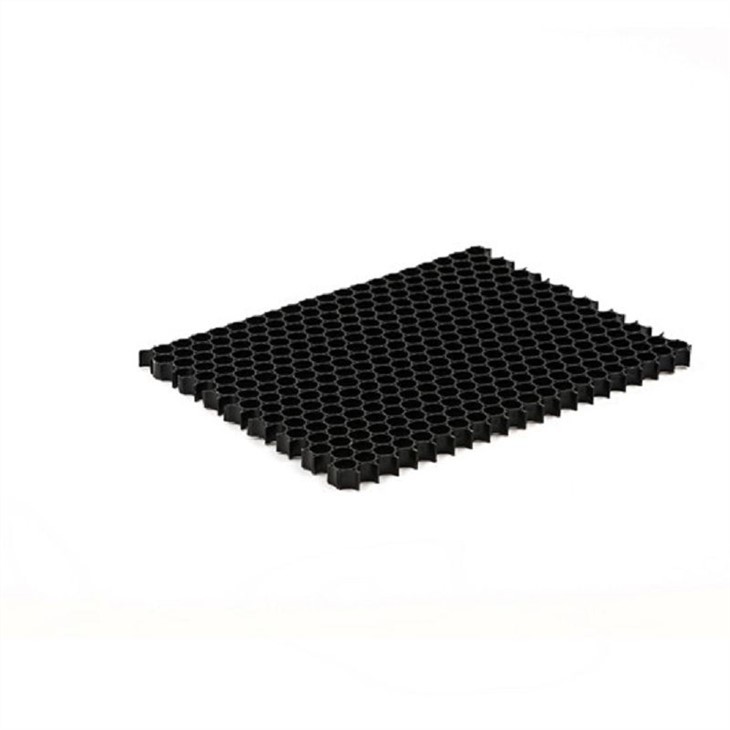
As a PP Honeycomb Panel supplier, we understand the importance of meeting these regulatory requirements. We work closely with testing laboratories to ensure that our Thermoplastic Honeycomb Core and finished panels meet the relevant standards. We also stay up - to - date with the latest regulatory changes in different industries to make sure our products remain compliant.
If you're in the market for high - quality PP Honeycomb Panels that meet all the necessary regulatory requirements, don't hesitate to reach out. Whether you're in construction, transportation, packaging, or any other industry, we can provide you with the right panels for your needs. Contact us to start a conversation about your specific requirements and how we can help you with your project.
References
- National Fire Protection Association (NFPA) standards
- Federal Motor Vehicle Safety Standards (FMVSS)
- Federal Aviation Administration (FAA) regulations
- American Bureau of Shipping (ABS) guidelines
- European Food Safety Authority (EFSA) standards
- Furniture and Furnishings (Fire) (Safety) Regulations (UK)
- Food and Drug Administration (FDA) regulations for medical devices