

Hey there! I'm a supplier of honeycomb composite boards, and while these boards are amazing in many ways, it's only fair to talk about their disadvantages too. After all, no product is perfect. So, let's dig into what might not be so great about honeycomb composite boards.
1. Limited Surface Hardness
One of the first things I've noticed as a supplier is that honeycomb composite boards often have limited surface hardness. You see, the honeycomb structure inside the board is designed to be lightweight and strong in a certain way, but it doesn't always translate to a super - tough surface.
For example, in high - traffic areas or applications where the board will be subject to a lot of abrasion, like in some industrial settings or heavy - use furniture, the surface can get scratched or dented quite easily. If you're using a honeycomb composite board for a tabletop in a busy office, employees moving things around on it might end up leaving marks. This is a real drawback, especially when compared to materials like solid wood or metal that can withstand more wear and tear.
This limited surface hardness also means that you have to be extra careful during installation. Even small bumps or scrapes during the installation process can damage the surface, which can be a headache for contractors and end - users alike.
2. Susceptibility to Moisture
Moisture is another big issue with honeycomb composite boards. The honeycomb core, which is usually made of materials like paper, plastic, or aluminum, can be affected by water. If the board gets exposed to excessive moisture, it can lead to a whole host of problems.
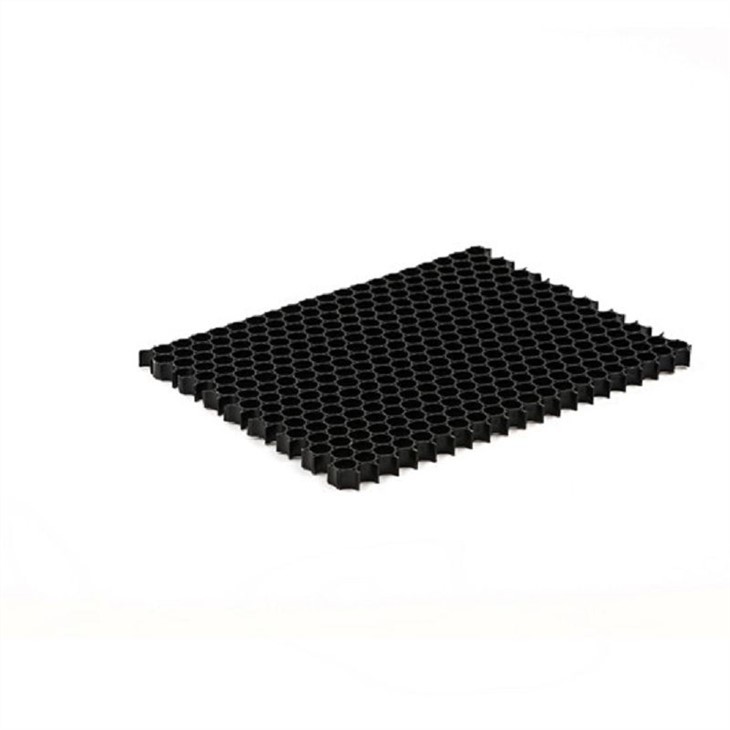
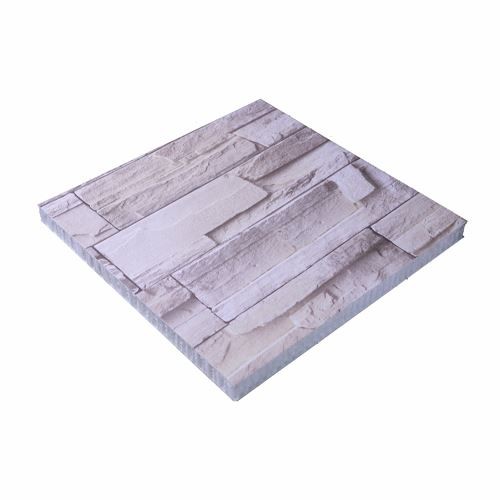
Paper - core honeycomb composite boards are particularly vulnerable. When they get wet, the paper can start to break down, losing its structural integrity. This can cause the board to warp, delaminate, or even develop mold. Plastic - core honeycomb boards are a bit more resistant, but they're not completely immune. Over time, moisture can still seep into the edges or through any small cracks, and if it accumulates inside the honeycomb structure, it can cause problems.
In areas with high humidity, like bathrooms or basements, using honeycomb composite boards can be risky. You might think you can seal the edges and surfaces to prevent moisture from getting in, but it's not always foolproof. And once moisture has damaged the board, it's often difficult to repair. You might end up having to replace the entire board, which can be costly.
3. Difficulty in Customization
Customizing honeycomb composite boards can be a challenge. Unlike some other materials, they're not as easy to cut, shape, or modify. The honeycomb structure inside the board makes it a bit more complex to work with.
If you want to cut a honeycomb composite board to a specific size or shape, you need to use the right tools. Regular saws might not work well because they can cause the honeycomb core to break or splinter. You might need specialized cutting equipment, which can be expensive and not always readily available.
Also, when it comes to adding features like holes or slots, it can be tricky to ensure that the structural integrity of the board isn't compromised. For example, if you drill a hole in the wrong place, it can weaken the board and make it more likely to break under stress. This can be a real problem for customers who have specific design requirements for their projects.
4. Higher Cost Compared to Some Alternatives
Let's talk about cost. Honeycomb composite boards can be more expensive than some other materials. The manufacturing process for these boards is more complex, involving the creation of the honeycomb core and then bonding it to the outer layers. This complexity adds to the production cost, which is then passed on to the customer.
For small - scale projects or DIYers on a budget, the cost of honeycomb composite boards can be a deterrent. They might opt for cheaper alternatives like plywood or particleboard, even though these materials might not have all the benefits of honeycomb composite boards.
Even for larger projects, the higher cost can be a factor. Construction companies and manufacturers are always looking for ways to cut costs without sacrificing quality. If the cost of honeycomb composite boards is significantly higher than other options, they might choose to go with something else.
5. Environmental Concerns
As a supplier, I'm also aware of the environmental concerns associated with honeycomb composite boards. The materials used in the boards, especially the plastics and adhesives, can have a negative impact on the environment.
Plastic - core honeycomb boards are made from non - biodegradable materials, which means they'll sit in landfills for a long time. And the adhesives used to bond the layers together often contain chemicals that can be harmful to the environment. Some of these chemicals can release volatile organic compounds (VOCs) into the air, which can contribute to air pollution and have negative health effects on humans.
Even though there are some eco - friendly options available, like honeycomb boards made from recycled materials or with low - VOC adhesives, they're not always as widely available or as cost - effective. This can make it difficult for environmentally conscious customers to choose honeycomb composite boards.
6. Fire Resistance
Fire resistance is another area where honeycomb composite boards might fall short. Depending on the materials used in the board, they might not have the best fire - resistant properties.
Paper - core honeycomb boards are highly flammable. In the event of a fire, they can burn quickly and spread the flames. Plastic - core boards can also melt and drip when exposed to high temperatures, which can be dangerous.
In applications where fire safety is a major concern, like in commercial buildings or public spaces, using honeycomb composite boards might not be the best choice. There are fire - rated alternatives available, but they often come at a higher cost and might not have all the other benefits of honeycomb composite boards.
Conclusion
So, there you have it – the disadvantages of honeycomb composite boards. As a supplier, I know these boards have a lot of great features, like their lightweight nature, high strength - to - weight ratio, and good insulation properties. But it's important to be aware of their drawbacks too.
If you're considering using honeycomb composite boards for your project, make sure you weigh the pros and cons carefully. Think about the specific requirements of your application, like the level of wear and tear, moisture exposure, and fire safety.
If you have any questions or want to discuss further whether honeycomb composite boards are right for your project, don't hesitate to reach out. We're here to help you make the best decision. Whether you're interested in Honeycomb - building - panels or Thermoplastic Honeycomb Core, we can provide you with more information and guidance. Let's have a chat and see if we can find the perfect solution for you.
References
- "Composite Materials Handbook" by various authors
- Industry reports on honeycomb composite board manufacturing and applications
- Research papers on the properties and limitations of honeycomb structures