

Maintaining the performance of PP honeycomb panels over time is crucial for both suppliers and end - users. As a PP honeycomb panel supplier, I understand the importance of ensuring that these panels retain their excellent properties throughout their service life. In this blog, I will share some practical strategies and insights on how to achieve long - term performance maintenance of PP honeycomb panels.
Understanding the Properties of PP Honeycomb Panels
PP honeycomb panels are made from polypropylene, a thermoplastic polymer. They are known for their lightweight, high strength - to - weight ratio, excellent chemical resistance, and good insulating properties. These features make them suitable for a wide range of applications, from Honeycomb - building - panels in the construction industry to interior design elements.
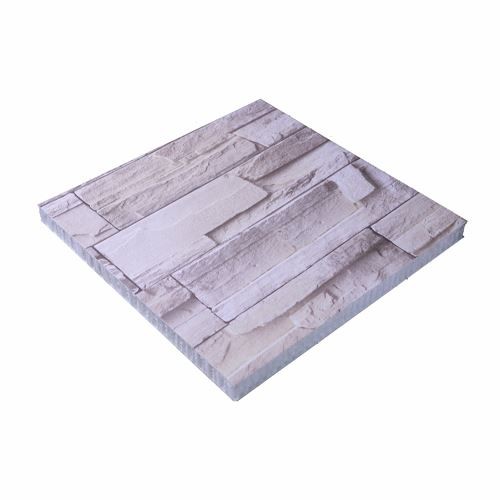
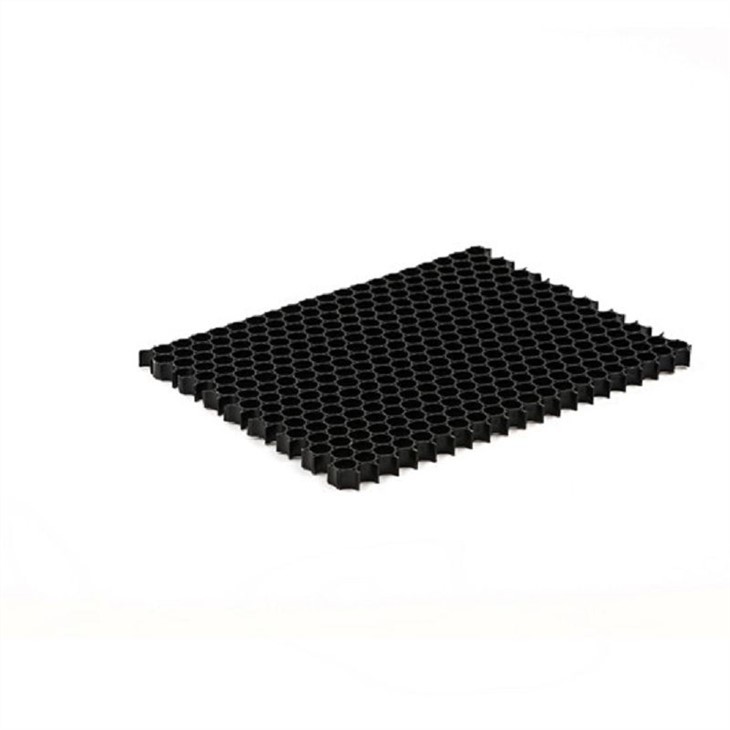
The honeycomb structure of these panels provides a unique combination of stiffness and lightness. The hexagonal cells distribute loads evenly, enhancing the panel's ability to withstand pressure without significant deformation. Additionally, polypropylene is resistant to many chemicals, including acids, alkalis, and solvents, which makes the panels durable in harsh environments.
Storage Conditions
Proper storage is the first step in maintaining the performance of PP honeycomb panels. During storage, the panels should be kept in a dry and cool environment. High humidity can cause the panels to absorb moisture, which may lead to swelling and a reduction in mechanical properties over time. The recommended storage temperature is between 10°C and 30°C, and the relative humidity should be below 60%.
Panels should be stored in a flat position to prevent warping. If stacking is necessary, use appropriate spacers to ensure even distribution of weight. Avoid storing the panels near sources of heat or direct sunlight, as prolonged exposure to high temperatures and UV radiation can cause the polypropylene to degrade, resulting in reduced strength and color fading.
Handling and Installation
When handling PP honeycomb panels, care should be taken to avoid scratches and impacts. Scratches can weaken the surface of the panel and make it more susceptible to damage. Use soft - edged tools and protective gloves during handling to minimize the risk of surface damage.
During installation, ensure that the panels are properly supported. The support structure should be designed to evenly distribute the load across the panel. Improper support can lead to stress concentrations, which may cause the panel to crack or deform. Follow the manufacturer's installation guidelines carefully, including the recommended fastening methods and spacing.
Cleaning and Maintenance
Regular cleaning is essential for maintaining the appearance and performance of PP honeycomb panels. Use a mild detergent and a soft cloth or sponge to clean the panels. Avoid using abrasive cleaners or solvents that may damage the surface of the panels. After cleaning, rinse the panels thoroughly with clean water and dry them with a soft cloth.
Inspect the panels regularly for signs of damage, such as cracks, scratches, or discoloration. If any damage is detected, it should be repaired promptly. Small scratches can be repaired using a suitable filler, while more severe damage may require panel replacement.
Protection from Environmental Factors
PP honeycomb panels are generally resistant to many environmental factors, but some precautions can be taken to enhance their long - term performance. In outdoor applications, consider using a UV - resistant coating to protect the panels from UV radiation. This coating can significantly extend the lifespan of the panels and prevent color fading.
In areas with high levels of pollution or chemical exposure, additional protective measures may be necessary. For example, in industrial environments, a chemical - resistant coating can be applied to the panels to prevent corrosion and chemical damage.
Thermal Management
Thermal cycling can have an impact on the performance of PP honeycomb panels. In applications where the panels are exposed to significant temperature variations, proper thermal management is crucial. Insulation can be used to reduce the rate of temperature change and minimize the stress on the panels.
In some cases, ventilation may be required to prevent the build - up of heat within the panels. This is particularly important in enclosed spaces or applications where the panels are used in combination with heat - generating equipment.
Compatibility with Other Materials
When using PP honeycomb panels in combination with other materials, ensure compatibility. Some materials may react with polypropylene, causing degradation or adhesion problems. For example, certain types of adhesives may not be compatible with PP honeycomb panels. Before using any adhesive or other material in contact with the panels, test for compatibility to avoid long - term performance issues.
Monitoring and Evaluation
Regular monitoring and evaluation of the panels' performance are essential. This can include visual inspections, mechanical testing, and non - destructive testing methods. By monitoring the panels over time, potential problems can be detected early, and appropriate measures can be taken to prevent further deterioration.
Conclusion
Maintaining the performance of PP honeycomb panels over time requires a comprehensive approach that includes proper storage, handling, installation, cleaning, and protection from environmental factors. As a PP honeycomb panel supplier, I am committed to providing high - quality products and sharing our expertise to help our customers achieve the best performance from our panels.
If you are interested in purchasing PP honeycomb panels or have any questions about their performance maintenance, please feel free to contact us. We are here to provide you with professional advice and support.
References
- "Polypropylene Honeycomb Panels: Properties and Applications" - Polymer Science Journal
- Manufacturer's guidelines for PP honeycomb panel storage, handling, and installation
- Research on the effects of environmental factors on thermoplastic polymers, including polypropylene. Thermoplastic Honeycomb Core