

Hey there! I'm a supplier of non-slip honeycomb panels, and I often get asked, "How much does a non-slip honeycomb panel cost?" Well, the answer isn't as straightforward as you might think. There are a bunch of factors that can influence the price, and I'm gonna break them down for you.
First off, let's talk about the materials. Non-slip honeycomb panels can be made from different materials, each with its own price range. For example, some are made from thermoplastics. The Thermoplastic Honeycomb Core is a popular choice. Thermoplastics are known for their durability, lightweight nature, and resistance to various environmental factors. But they can be a bit more expensive compared to some other materials. The cost of raw thermoplastic materials can fluctuate based on market demand and availability. If there's a high demand for thermoplastics in other industries at the same time, the price of the non-slip honeycomb panels made from them is likely to go up.
On the other hand, there are also honeycomb panels made from other composite materials. These can be a more budget - friendly option, but they might not have the same level of performance as the thermoplastic ones in some aspects. For instance, they might not be as resistant to extreme temperatures or chemicals.
The size of the non - slip honeycomb panel is another major factor. Larger panels generally cost more than smaller ones. This is because more material is required to produce a bigger panel, and there's also more labor involved in the manufacturing process. If you need a custom - sized panel, that can add to the cost too. Custom sizes often require special equipment and additional time to cut and shape the panels, so you can expect to pay a premium for that.
The thickness of the panel also plays a role. Thicker panels are usually more expensive. A thicker non - slip honeycomb panel offers more strength and durability. It can withstand heavier loads and is less likely to get damaged. So, if you're using the panels in an area where there's a lot of foot traffic or heavy machinery, you'll probably want a thicker panel, but you'll have to shell out more money for it.
The manufacturing process can also affect the price. Some non - slip honeycomb panels are mass - produced, which can keep the cost down. These panels are made in large quantities, and the economies of scale come into play. The more panels the manufacturer can produce at once, the lower the cost per unit. However, if you need a panel with a special finish or a unique design, it might have to be made through a more specialized manufacturing process. This can involve more steps, more labor, and more expensive equipment, which will increase the price.
Now, let's talk about the non - slip feature itself. There are different ways to make a honeycomb panel non - slip. Some panels have a special coating applied to them. The quality and type of this coating can vary. A high - quality, long - lasting non - slip coating will cost more than a basic one. Other panels might have a textured surface built into the design. Creating a textured surface can be more complex and costly, especially if it has to be done precisely to meet safety standards.
When it comes to the market, competition can also impact the price. In a highly competitive market, suppliers like me might offer lower prices to attract customers. But in a niche market where there are only a few suppliers, the prices can be higher. It's important to do your research and compare prices from different suppliers to make sure you're getting a good deal.
On average, a basic non - slip honeycomb panel might cost anywhere from $20 to $50 per square meter. But if you're looking for a high - end panel with all the bells and whistles, like a thermoplastic panel with a top - of - the - line non - slip coating and a custom size, you could be looking at $100 or more per square meter.
The application of the non - slip honeycomb panel can also influence the price. For example, if the panels are for use in a commercial building, like a shopping mall or a factory, the requirements are usually more stringent. The panels need to meet certain safety and quality standards. This can drive up the cost as the manufacturer has to ensure that the panels pass all the necessary tests. On the other hand, if the panels are for a residential application, like a patio or a garage, the standards might not be as strict, and the price could be a bit lower.
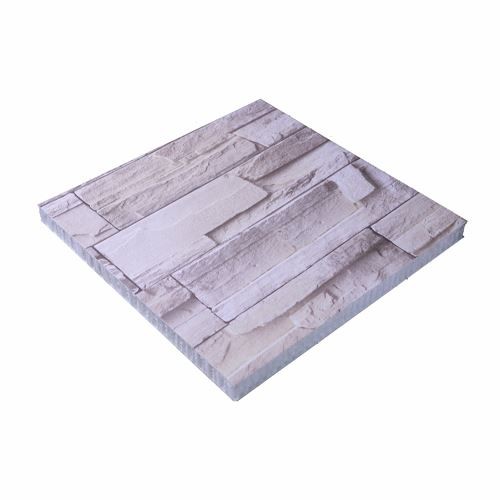
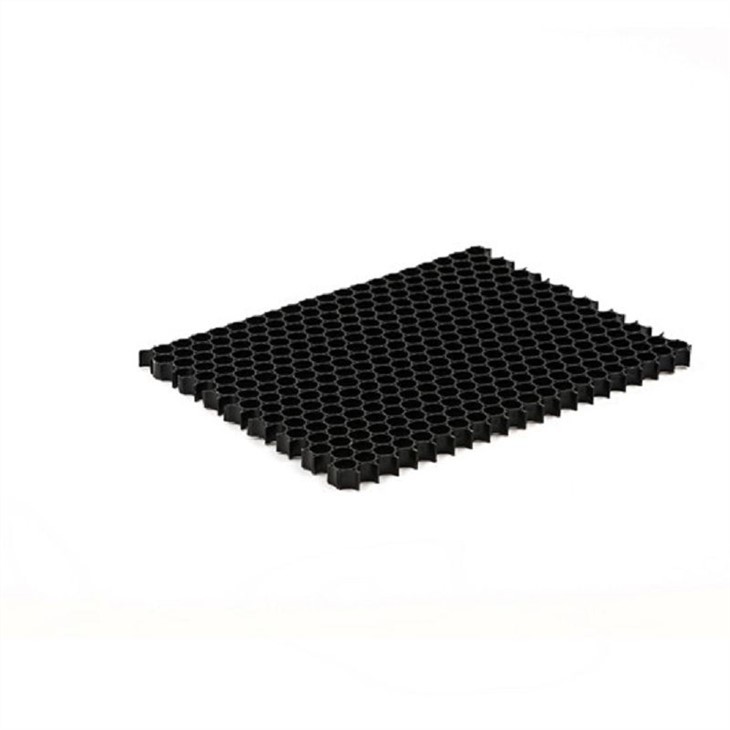
Another aspect is the honeycomb structure itself. Different honeycomb patterns and cell sizes can affect the cost. Smaller cell sizes can provide more strength and stability, but they can also be more difficult to manufacture, which increases the price. Some honeycomb panels are designed for specific applications, like Honeycomb - building - panels. These panels are engineered to meet the requirements of the construction industry, and they often come with a higher price tag due to their specialized design.
Transportation costs are also something to consider. If you're located far away from the manufacturing facility, the cost of shipping the non - slip honeycomb panels to your location can add a significant amount to the overall price. Some suppliers might offer free shipping if you order a large quantity, but it's always a good idea to ask about shipping costs upfront.
So, as you can see, there are many factors that go into determining the cost of a non - slip honeycomb panel. If you're in the market for these panels, I'd be more than happy to help you find the right one for your needs at a fair price. Whether you're working on a small DIY project or a large commercial construction, I've got the expertise to guide you through the selection process.
If you're interested in learning more or getting a quote for your non - slip honeycomb panel needs, don't hesitate to reach out. I'm here to answer all your questions and help you make an informed decision. We can discuss your specific requirements, and I'll do my best to offer you a competitive price.
References
- Industry reports on non - slip honeycomb panel manufacturing
- Market research on construction and industrial materials prices