

Yo, what's up, everyone! I'm here as a supplier of Non Woven Honeycomb Panels, and today we're gonna talk about something super important that a lot of our customers are curious about – how does the color of Non Woven Honeycomb Panel fade over time?
First off, let's understand what Non Woven Honeycomb Panels are. They're pretty cool products. You can check out more about Honeycomb-building-panels on our website. These panels are made of non - woven materials, and they have a honeycomb structure. This gives them some great properties like good strength, light weight, and they're used in a bunch of applications, whether it's in construction, furniture, or even some high - tech industries.
Now, when it comes to the color of these panels, it can change or fade as time goes by. There are a few reasons behind this color fading.
1. UV Exposure
One of the biggest bad guys when it comes to color fading is ultraviolet (UV) radiation. You know how the sun can bleach your clothes when you leave them out for too long? The same thing happens to our Non Woven Honeycomb Panels. When the panels are exposed to the sun's UV rays over a long period, the chemical bonds in the pigments that give the panels their color start to break down.
The pigments are like little color - giving particles in the panels. UV rays have enough energy to disrupt these particles. For example, if you have a bright blue Non Woven Honeycomb Panel installed outdoors where it gets direct sunlight all day, the blue color might start to look duller and less vibrant after a few months. The more intense and the longer the UV exposure, the faster the color will fade. In regions with a lot of sunlight like deserts or tropical areas, the fading can be even more noticeable.
2. Environmental Conditions
Apart from UV, other environmental factors play a role too. High humidity can be a problem. When the air is really moist, it can cause the pigments in the panels to react with water molecules. This chemical reaction can lead to color changes. For instance, if the panels are used in a bathroom or a place near a pool where the humidity is constantly high, over time, the color might start to bleed or become patchy.
Pollution is another biggie. In urban areas, there are all sorts of pollutants in the air, like dust, smoke, and chemicals. These pollutants can settle on the surface of the Non Woven Honeycomb Panels. Some of these chemicals can react with the pigments and cause the color to fade. For example, sulfur dioxide in the air from burning fossil fuels can react with certain pigments and change their chemical composition, leading to a change in color.
3. Chemical Exposure
Sometimes, the panels can come into contact with chemicals. If they're used in industrial settings or places where there are cleaning agents around, these chemicals can have an impact on the color. Some strong acids or alkalis can eat away at the pigments. For example, if you accidentally spill a harsh cleaning product on a Non Woven Honeycomb Panel, it might cause the area to lose its color immediately or speed up the overall fading process.
How to Minimize Color Fading
As a supplier, we know how important it is to keep your panels looking good for as long as possible. So, here are some tips to minimize color fading.
UV Protection
We offer panels with UV - resistant coatings. These coatings act like a shield for the pigments, blocking a significant amount of UV rays from reaching them. Just like you wear sunscreen to protect your skin from the sun, these coatings protect the color of the panels. If you're planning to use the panels outdoors, it's a no - brainer to choose ones with UV - resistant coatings.
Environmental Considerations
If you're using the panels in a high - humidity area, proper ventilation can help. Keeping the air circulating reduces the amount of moisture that can come into contact with the panels. And in polluted areas, regular cleaning can prevent pollutants from building up on the surface. You can use a mild, non - abrasive cleaner to gently wipe the panels.
Chemical Precautions
If the panels are likely to be exposed to chemicals, make sure to choose panels that are chemically resistant. And always follow the instructions when using cleaning agents or other chemicals around the panels.
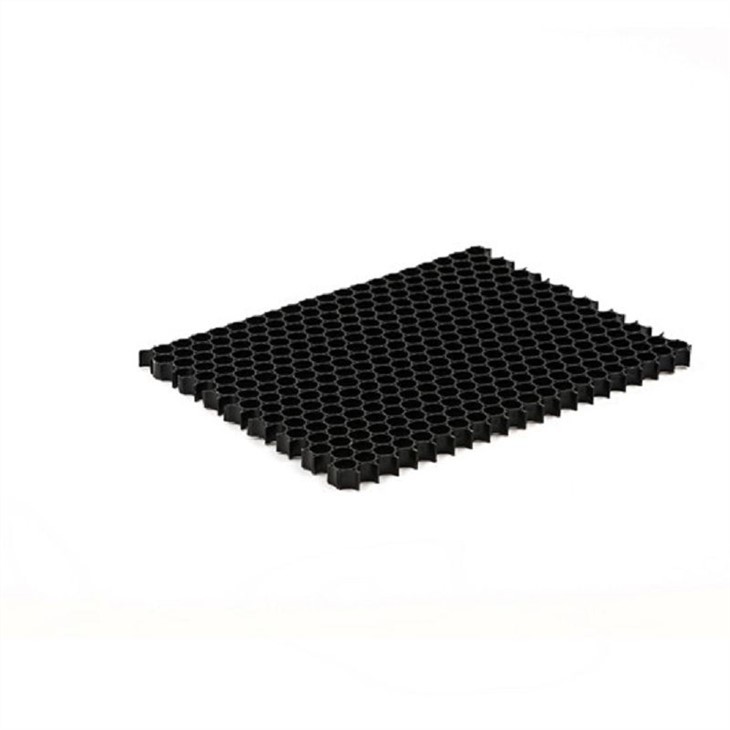
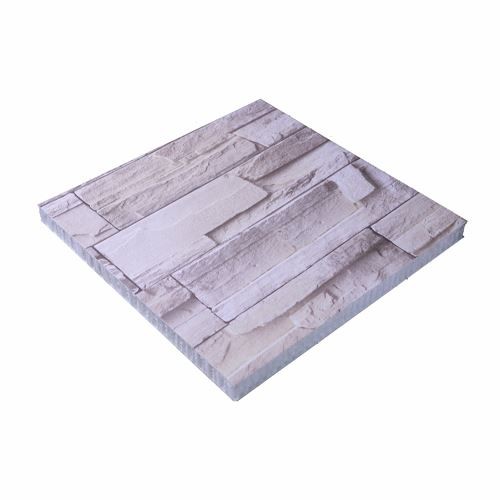
Our Product Range
We've got a wide range of Non Woven Honeycomb Panels, and we also have Thermoplastic Honeycomb Core. Our products are made with high - quality materials and advanced manufacturing processes. We take color fading seriously, and we're constantly working on improving our products to make them more resistant to color changes over time.
Whether you need panels for a small DIY project or a large - scale construction job, we've got you covered. Our team is always ready to help you choose the right product based on your specific needs, including how much color fading resistance you require.
Let's Talk Business
If you're interested in our Non Woven Honeycomb Panels, we'd love to have a chat with you. Maybe you've got questions about our products, need a quote, or want to discuss custom - made panels. We're here to make sure you get the best solutions for your projects. So, don't hesitate to reach out, and let's start a great business relationship!
References
- Smith, J. "The Effects of UV Radiation on Polymer - Based Materials." Journal of Material Science, 2018.
- Brown, A. "Environmental Impacts on Color Stability in Non - Woven Composites." International Journal of Composites, 2020.
- Green, M. "Chemical Resistance in Honeycomb Structures." Industrial Material Review, 2019.