

When it comes to selecting the right materials for various applications, the choice between honeycomb composite boards and plastic boards is a crucial decision that can significantly impact the outcome of a project. As a supplier of honeycomb composite boards, I have witnessed firsthand the unique advantages and characteristics that set these boards apart from traditional plastic boards. In this blog post, I will delve into a comprehensive comparison between honeycomb composite boards and plastic boards, exploring their properties, performance, and suitability for different applications.
Structural Integrity and Strength
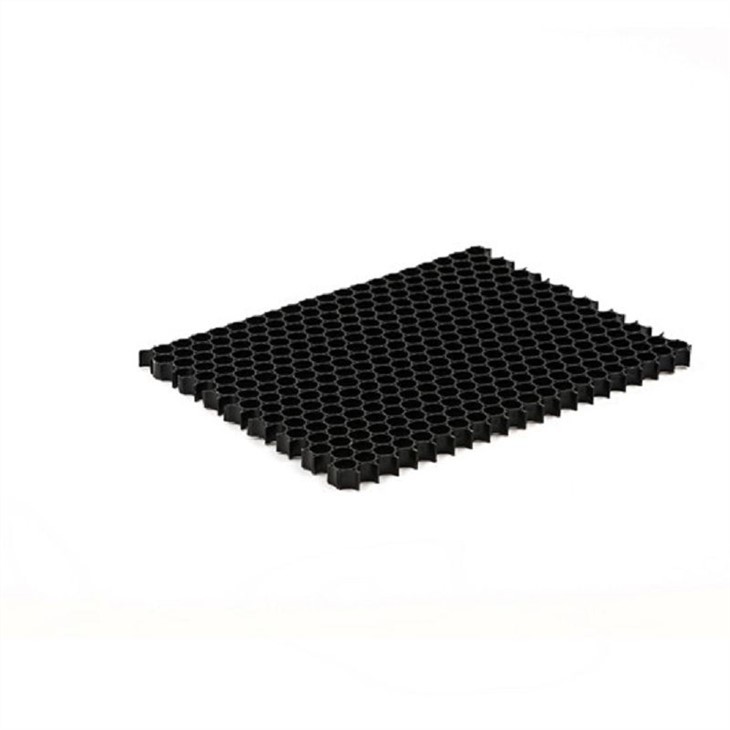
One of the primary factors to consider when comparing honeycomb composite boards and plastic boards is their structural integrity and strength. Honeycomb composite boards are engineered with a honeycomb core structure, typically made of materials such as aluminum, paper, or thermoplastic polymers. This unique design provides exceptional strength-to-weight ratio, making honeycomb composite boards significantly stronger than plastic boards of the same weight. The honeycomb core distributes loads evenly across the board, enhancing its resistance to bending, warping, and impact.
In contrast, plastic boards are generally solid or have a uniform structure, which can limit their strength and durability. While some plastic boards may be reinforced with additives or fibers to improve their strength, they often cannot match the structural performance of honeycomb composite boards. This makes honeycomb composite boards an ideal choice for applications that require high strength and rigidity, such as aerospace, automotive, and construction industries.
Weight and Portability
Another important consideration is the weight and portability of the boards. Honeycomb composite boards are known for their lightweight nature, thanks to the hollow honeycomb core structure. This makes them easier to handle, transport, and install compared to plastic boards, which can be heavier and more cumbersome. The reduced weight of honeycomb composite boards also translates into lower transportation costs and energy consumption, making them a more sustainable choice.
Plastic boards, on the other hand, can vary in weight depending on the type of plastic and the manufacturing process. Some plastic boards may be relatively lightweight, but others can be quite heavy, especially if they are thick or made of dense materials. This can make them more difficult to move and install, particularly in large-scale projects.
Thermal and Acoustic Insulation
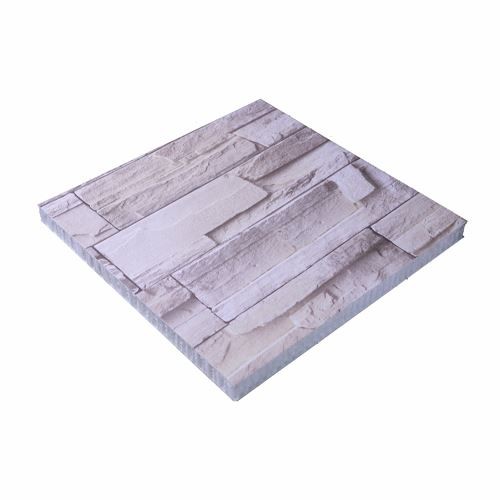
Thermal and acoustic insulation are critical properties in many applications, such as building construction, refrigeration, and soundproofing. Honeycomb composite boards offer excellent thermal and acoustic insulation capabilities due to the air pockets within the honeycomb core. These air pockets act as insulators, reducing heat transfer and sound transmission through the board.
Plastic boards, on the other hand, generally have lower thermal and acoustic insulation properties compared to honeycomb composite boards. While some plastic boards may be treated with insulation materials or additives to improve their performance, they often cannot match the natural insulation capabilities of honeycomb composite boards. This makes honeycomb composite boards a preferred choice for applications where thermal and acoustic insulation are essential.
Chemical Resistance and Durability
Chemical resistance and durability are important factors to consider, especially in applications where the boards will be exposed to harsh chemicals, moisture, or environmental conditions. Honeycomb composite boards are typically made of materials that are resistant to chemicals, moisture, and corrosion, making them suitable for a wide range of applications. The outer layers of the board can be made of materials such as fiberglass, carbon fiber, or aluminum, which provide additional protection against wear and tear.
Plastic boards, on the other hand, can vary in their chemical resistance and durability depending on the type of plastic and the manufacturing process. Some plastic boards may be resistant to certain chemicals, but others may be easily damaged or degraded by exposure to chemicals, moisture, or UV radiation. This can limit their suitability for applications where chemical resistance and durability are critical.
Cost and Value
Cost is always a significant factor in any purchasing decision. While honeycomb composite boards may have a higher upfront cost compared to plastic boards, they often offer better long-term value due to their superior performance, durability, and sustainability. The reduced weight of honeycomb composite boards can result in lower transportation and installation costs, while their longer lifespan can reduce the need for frequent replacements.
Plastic boards, on the other hand, may be more affordable upfront, but they may require more maintenance and replacement over time, which can increase the overall cost of ownership. Additionally, the environmental impact of plastic boards, such as their non-biodegradability and contribution to plastic pollution, should also be considered when evaluating their cost and value.
Applications
The unique properties of honeycomb composite boards and plastic boards make them suitable for different applications. Honeycomb composite boards are commonly used in industries such as aerospace, automotive, construction, marine, and furniture manufacturing, where high strength, lightweight, and excellent insulation properties are required. Some specific applications of honeycomb composite boards include aircraft interiors, automotive body panels, building facades, boat decks, and furniture components.
Plastic boards, on the other hand, are widely used in a variety of applications, including packaging, signage, advertising, and DIY projects. They are often preferred for their low cost, ease of fabrication, and versatility. Some common types of plastic boards include acrylic, polycarbonate, PVC, and polyethylene boards.
Conclusion
In conclusion, honeycomb composite boards offer several advantages over plastic boards in terms of structural integrity, strength, weight, thermal and acoustic insulation, chemical resistance, durability, and long-term value. While plastic boards may be more affordable upfront, they often cannot match the performance and sustainability of honeycomb composite boards. When choosing between honeycomb composite boards and plastic boards, it is important to consider the specific requirements of your application, as well as the long-term costs and benefits.
As a supplier of honeycomb composite boards, I am committed to providing high-quality products that meet the needs of our customers. Our Honeycomb-building-panels and Thermoplastic Honeycomb Core are designed to offer superior performance, durability, and sustainability. If you are interested in learning more about our honeycomb composite boards or would like to discuss your specific requirements, please feel free to contact us. We look forward to working with you to find the best solution for your project.
References
- "Honeycomb Composite Materials: Structure, Properties, and Applications." Journal of Materials Science, vol. 45, no. 12, 2010, pp. 3207-3220.
- "Plastic Materials and Their Applications." Wiley, 2007.
- "Thermal and Acoustic Insulation of Honeycomb Structures." Journal of Thermal Insulation and Building Envelopes, vol. 32, no. 2, 2008, pp. 113-126.
- "Chemical Resistance of Composite Materials." Composites Science and Technology, vol. 65, no. 15, 2005, pp. 2315-2323.