

Hey there! I'm a supplier of Honeycomb Building Panels, and today I want to chat with you about how these amazing panels react to sunlight. It's a topic that's super important, especially when you're thinking about using them in construction projects.
First off, let's understand what honeycomb building panels are. You can check out more details about Honeycomb-building-panels. These panels are made up of a honeycomb structure, usually with a thermoplastic core. The Thermoplastic Honeycomb Core gives the panels their unique properties.
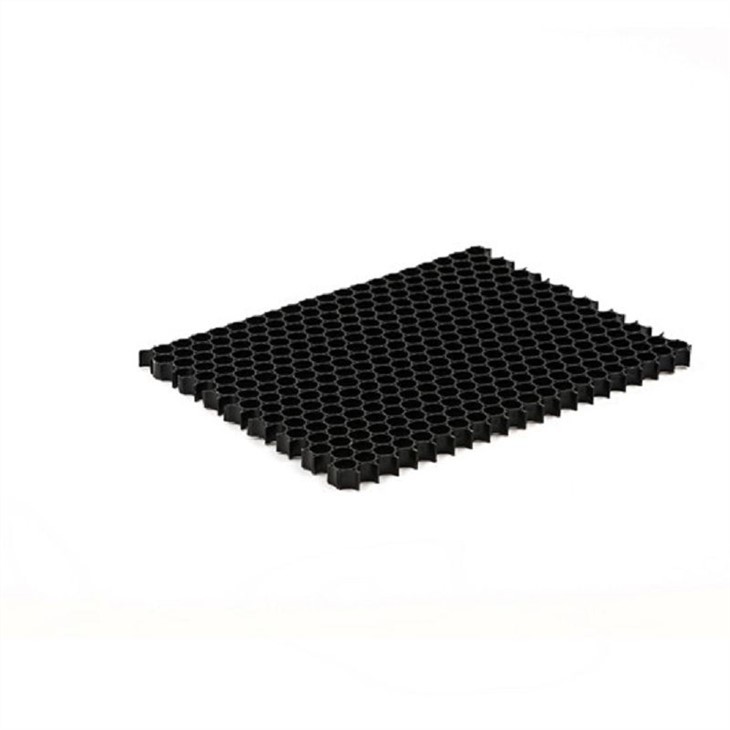
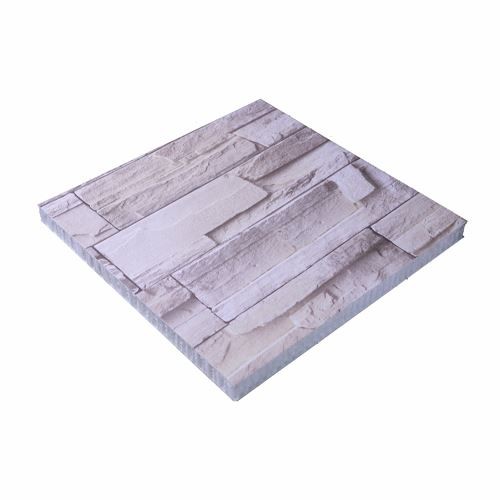
When it comes to sunlight, honeycomb building panels have some pretty interesting reactions. Sunlight is made up of different types of radiation, including visible light, ultraviolet (UV) light, and infrared (IR) light. Each of these components affects the panels in different ways.
Let's start with visible light. Visible light is what we can see, and it doesn't really cause any major damage to the honeycomb building panels. In fact, it can actually make the panels look great. The smooth surface of the panels reflects visible light, giving them a shiny and modern appearance. This is why they're often used in commercial buildings where aesthetics are important.
But what about UV light? UV light is a bit more of a concern. It has a shorter wavelength and higher energy than visible light. Prolonged exposure to UV light can cause the panels to degrade over time. The UV rays can break down the chemical bonds in the thermoplastic core, making the panels more brittle and less strong. This is where the quality of the panels really matters. High - quality honeycomb building panels are often treated with UV stabilizers. These stabilizers act like a shield, absorbing the UV rays and preventing them from reaching the core of the panels. So, if you're in an area with a lot of sunlight, make sure to choose panels with good UV protection.
Now, infrared light is all about heat. When the honeycomb building panels are exposed to sunlight, they absorb some of the infrared radiation. This causes the temperature of the panels to rise. But here's the cool part. The honeycomb structure of the panels is a great insulator. It traps air in the small cells, and air is a poor conductor of heat. So, even though the panels absorb some heat, they don't transfer it very well. This means that the inside of a building using these panels stays cooler during the day, reducing the need for air - conditioning. It's a great way to save on energy costs.
Another interesting thing about the honeycomb building panels' reaction to sunlight is their color. Dark - colored panels absorb more sunlight than light - colored ones. Dark colors have a lower albedo, which means they reflect less light and absorb more heat. So, if you want to keep a building cool, lighter - colored honeycomb building panels might be a better choice. But if you're looking to heat up a space in a colder climate, darker panels could be more suitable.
In terms of long - term exposure to sunlight, the durability of the honeycomb building panels is also affected. Over years of exposure, the panels might experience some fading. The surface finish can lose its shine, and the color might change slightly. However, this is a slow process, and with proper maintenance, you can extend the lifespan of the panels. Regular cleaning can remove dirt and debris that might accelerate the degradation process.
Let's talk about how these reactions to sunlight translate into real - world applications. In residential construction, honeycomb building panels can be used for exterior walls. Their ability to reflect visible light makes the house look stylish, and their insulation properties keep the interior comfortable. In commercial buildings, they can be used for facades. The modern look of the panels gives the building a professional and attractive appearance, while the UV protection and heat insulation save on energy and maintenance costs.
If you're considering using honeycomb building panels in your next project, you might be wondering how to choose the right ones. First, think about the climate of your area. If it's sunny with a lot of UV radiation, go for panels with high - quality UV stabilizers. If you're in a hot climate, lighter - colored panels with good insulation properties are a must. And always make sure to buy from a reputable supplier. As a honeycomb building panel supplier, I can tell you that quality control is key. We test our panels rigorously to make sure they meet the highest standards.
So, if you're interested in honeycomb building panels for your project, whether it's a small home renovation or a large - scale commercial building, don't hesitate to get in touch. I'm here to answer all your questions and help you choose the right panels for your needs. We can have a chat about your project requirements, and I'll make sure you get the best - suited panels at a great price.
In conclusion, honeycomb building panels have a complex but fascinating reaction to sunlight. They offer great aesthetic appeal, good UV protection, and excellent heat insulation when chosen and maintained properly. Whether you're an architect, a builder, or a homeowner, these panels can be a great addition to your project. So, start thinking about how you can use them and let's make your construction dreams a reality.
References
- General knowledge of thermoplastic materials and building panel technology
- Industry reports on the performance of honeycomb building panels in different environmental conditions