

As a supplier of PP honeycomb panels, I often get asked a bunch of questions from customers. One question that pops up quite a bit is, "Can PP honeycomb panel be bent?" Well, let's dig into this topic and find out the answer.
First off, let's understand what PP honeycomb panels are. PP stands for polypropylene, which is a thermoplastic polymer. These honeycomb panels are made up of a core layer in a honeycomb structure, surrounded by face sheets. The honeycomb structure gives the panel its strength and lightweight properties. You can check out more about Thermoplastic Honeycomb Core on our website.
Now, back to the main question. The short answer is yes, PP honeycomb panels can be bent. But there are a few things you need to keep in mind. The ability to bend a PP honeycomb panel depends on several factors, such as the thickness of the panel, the cell size of the honeycomb core, and the temperature at which the bending is done.
Thickness plays a crucial role. Thinner PP honeycomb panels are generally more flexible and easier to bend compared to thicker ones. A thinner panel has less material to resist the bending force, so it can conform to a curve more readily. For example, a 3mm thick PP honeycomb panel will be more pliable than a 10mm thick one.
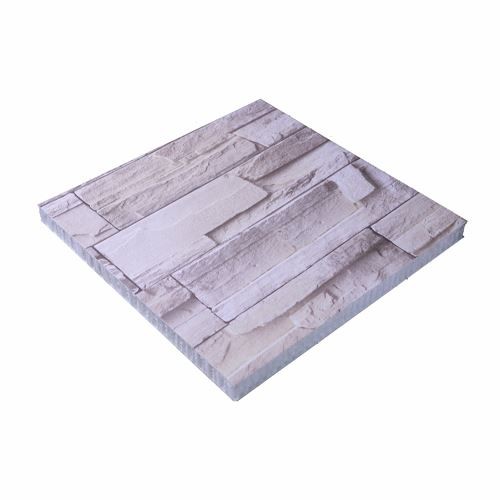
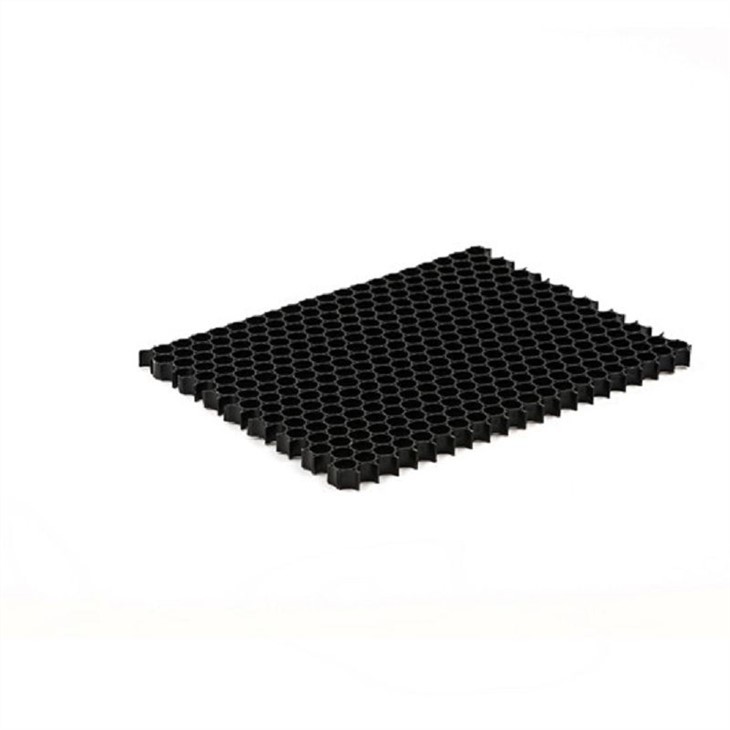
The cell size of the honeycomb core also matters. Panels with smaller cell sizes tend to be more rigid, while those with larger cell sizes are more flexible. Smaller cells provide more support and stability to the panel, making it harder to bend. On the other hand, larger cells allow for more movement and deformation, making the panel more bendable.
Temperature is another important factor. PP is a thermoplastic, which means it becomes more malleable when heated. By applying heat to the panel, you can soften the polypropylene material and make it easier to bend. However, you need to be careful not to overheat the panel, as this can cause the material to melt or deform in an unwanted way.
There are a few different methods you can use to bend PP honeycomb panels. One common method is to use a heat gun. You can direct the heat from the gun onto the area of the panel you want to bend, gradually heating it up until it becomes soft enough to shape. Once the panel is pliable, you can carefully bend it to the desired curvature. Just make sure to hold the panel in place until it cools down and retains its shape.
Another method is to use a bending jig. A bending jig is a tool that helps you achieve a consistent and accurate bend. You can place the panel in the jig and apply pressure to bend it. This method is especially useful for creating complex or precise bends.
So, why would you want to bend a PP honeycomb panel? There are actually quite a few applications where bent panels come in handy. In the construction industry, bent PP honeycomb panels can be used to create curved walls, arches, or domes. They can add a unique and modern touch to a building's design. You can learn more about Honeycomb-building-panels on our site.
In the automotive industry, bent PP honeycomb panels can be used for interior trim, such as dashboard covers or door panels. The panels' lightweight and flexible nature make them a great choice for these applications. They can also be used in the aerospace industry for aircraft interiors, where weight reduction is crucial.
In the furniture industry, bent PP honeycomb panels can be used to create curved chairs, tables, or cabinets. They offer a cost-effective and durable alternative to traditional materials. The panels can be easily customized to fit different designs and styles.
However, there are some limitations to bending PP honeycomb panels. If you bend the panel too sharply or beyond its elastic limit, it may crack or break. Also, repeated bending and unbending can cause fatigue in the material, reducing its strength and durability over time.
As a supplier, I always recommend that customers test a small sample of the panel before attempting to bend a large quantity. This will help you determine the best bending method and temperature for your specific application. It's also important to follow proper safety procedures when working with heat or tools.
If you're interested in using PP honeycomb panels for your project and need to bend them, I'd be more than happy to help. We have a wide range of PP honeycomb panels available in different thicknesses, cell sizes, and colors. Our team of experts can provide you with technical support and advice on bending the panels.
So, if you're looking for high-quality PP honeycomb panels and need assistance with bending, don't hesitate to get in touch. We're here to help you bring your creative ideas to life. Whether you're a builder, an automotive designer, a furniture maker, or anyone else in need of versatile and lightweight materials, our PP honeycomb panels could be the perfect solution for you.
In conclusion, PP honeycomb panels can indeed be bent, but it's important to consider the factors like thickness, cell size, and temperature. With the right techniques and precautions, you can achieve beautiful and functional curved panels for a variety of applications. So, give us a shout if you're interested in exploring the possibilities of bent PP honeycomb panels.
References
- General knowledge about thermoplastics and honeycomb structures in materials science.
- Industry experience and practical knowledge from working with PP honeycomb panels.