

Can PET honeycomb panels be used in the medical field?
As a supplier of PET honeycomb panels, I am often asked about the potential applications of our products in various industries. One area that has recently piqued the interest of many is the medical field. In this blog post, I will explore the question of whether PET honeycomb panels can be used in the medical field, examining their properties, advantages, and potential applications.
Properties of PET Honeycomb Panels
PET, or polyethylene terephthalate, is a thermoplastic polymer that is widely used in the manufacturing of various products, from water bottles to automotive parts. PET honeycomb panels are made by sandwiching a layer of honeycomb-structured PET core between two sheets of PET skin. This construction gives the panels several unique properties:
- Lightweight: The honeycomb structure of the core provides high strength-to-weight ratio, making PET honeycomb panels significantly lighter than solid materials of the same thickness. This property is particularly beneficial in medical applications where weight reduction can improve patient comfort and ease of handling.
- High Strength: Despite their lightweight, PET honeycomb panels offer excellent structural strength and stiffness. They can withstand significant loads and stresses, making them suitable for applications that require durability and stability.
- Chemical Resistance: PET is resistant to a wide range of chemicals, including many solvents, acids, and bases. This property makes PET honeycomb panels suitable for use in medical environments where they may come into contact with various chemicals and disinfectants.
- Thermal Insulation: The honeycomb structure of the core provides excellent thermal insulation properties, helping to maintain a stable temperature within the panel. This can be beneficial in medical applications where temperature control is important, such as in the storage and transportation of medical supplies.
- Electrical Insulation: PET is a good electrical insulator, making PET honeycomb panels suitable for use in applications where electrical insulation is required, such as in the construction of medical equipment enclosures.
Advantages of PET Honeycomb Panels in the Medical Field
The properties of PET honeycomb panels make them attractive for a variety of medical applications. Here are some of the key advantages of using PET honeycomb panels in the medical field:
- Patient Comfort: The lightweight nature of PET honeycomb panels makes them ideal for applications where patient comfort is a priority, such as in the construction of medical beds, stretchers, and wheelchairs. The panels can help to reduce the overall weight of these devices, making them easier to maneuver and transport.
- Infection Control: PET honeycomb panels are resistant to chemicals and can be easily cleaned and disinfected, making them suitable for use in medical environments where infection control is critical. The smooth surface of the panels also helps to prevent the accumulation of dirt and bacteria.
- Customization: PET honeycomb panels can be easily cut, shaped, and formed to meet the specific requirements of different medical applications. They can also be laminated with various materials, such as fabric or vinyl, to improve their appearance and functionality.
- Cost-Effectiveness: Compared to other materials commonly used in the medical field, such as aluminum and stainless steel, PET honeycomb panels are relatively inexpensive. This makes them a cost-effective solution for many medical applications.
Potential Applications of PET Honeycomb Panels in the Medical Field
The unique properties and advantages of PET honeycomb panels make them suitable for a wide range of medical applications. Here are some of the potential applications of PET honeycomb panels in the medical field:
- Medical Furniture: PET honeycomb panels can be used in the construction of various types of medical furniture, such as beds, stretchers, wheelchairs, and examination tables. The lightweight and high-strength properties of the panels make them ideal for these applications, as they can provide a comfortable and stable surface for patients while also being easy to move and transport.
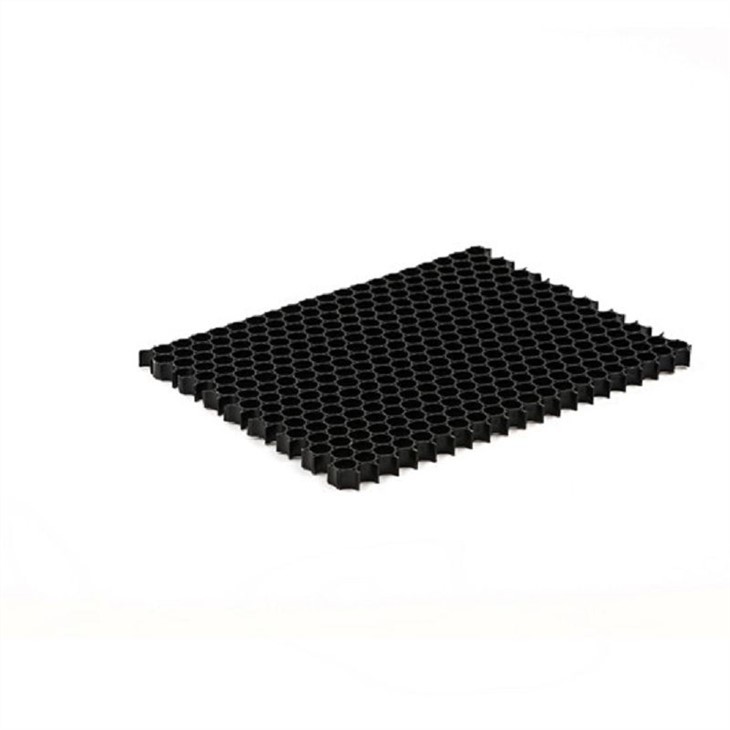
- Medical Equipment Enclosures: PET honeycomb panels can be used to construct enclosures for medical equipment, such as monitors, imaging devices, and surgical instruments. The panels can provide a protective and insulating barrier for the equipment, while also being lightweight and easy to clean. Thermoplastic Honeycomb Core
- Medical Packaging: PET honeycomb panels can be used in the packaging of medical products, such as pharmaceuticals, medical devices, and laboratory specimens. The panels can provide a protective and cushioning layer for the products, while also being lightweight and easy to handle.
- Surgical Instruments: PET honeycomb panels can be used in the construction of surgical instruments, such as forceps, scissors, and clamps. The panels can provide a lightweight and durable handle for the instruments, while also being easy to clean and sterilize.
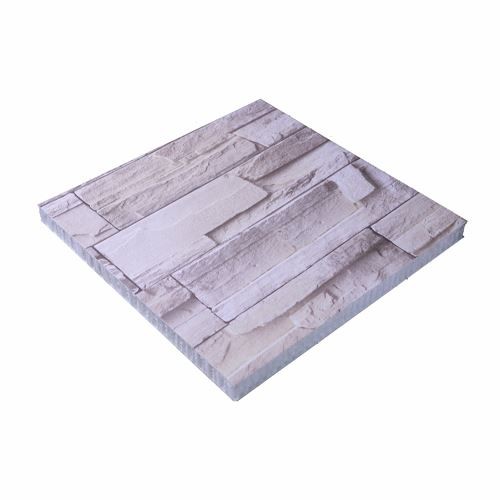
- Medical Flooring: PET honeycomb panels can be used in the construction of medical flooring, such as in hospitals, clinics, and laboratories. The panels can provide a comfortable and slip-resistant surface for patients and staff, while also being easy to clean and maintain. Honeycomb-building-panels
Challenges and Considerations
While PET honeycomb panels offer many potential benefits in the medical field, there are also some challenges and considerations that need to be addressed. Here are some of the key challenges and considerations:
- Biocompatibility: The biocompatibility of PET honeycomb panels needs to be carefully evaluated before they can be used in medical applications. The panels need to be tested to ensure that they do not cause any adverse reactions or toxicity when in contact with human tissue.
- Regulatory Compliance: The use of PET honeycomb panels in the medical field is subject to various regulatory requirements and standards. The panels need to comply with these requirements and standards to ensure their safety and effectiveness.
- Fire Resistance: The fire resistance of PET honeycomb panels needs to be considered, especially in applications where fire safety is a concern, such as in the construction of medical buildings and equipment. The panels may need to be treated with fire retardants to meet the required fire safety standards.
- Long-Term Durability: The long-term durability of PET honeycomb panels needs to be evaluated, especially in applications where they will be subjected to repeated use and stress. The panels need to be able to maintain their structural integrity and performance over time.
Conclusion
In conclusion, PET honeycomb panels have the potential to be used in a wide range of medical applications. Their unique properties, such as lightweight, high strength, chemical resistance, thermal insulation, and electrical insulation, make them attractive for many medical applications. However, before they can be used in the medical field, the biocompatibility, regulatory compliance, fire resistance, and long-term durability of the panels need to be carefully evaluated.
As a supplier of PET honeycomb panels, we are committed to providing high-quality products that meet the needs of our customers in the medical field. If you are interested in learning more about our PET honeycomb panels and their potential applications in the medical field, please contact us for more information. We would be happy to discuss your specific requirements and provide you with a customized solution.
References
- ASTM International. (2021). Standard Test Methods for Physical Testing of Honeycomb Core Materials. ASTM D365.
- ISO. (2019). Medical Devices - Quality Management Systems - Requirements for Regulatory Purposes. ISO 13485.
- FDA. (2021). Guidance for Industry and Food and Drug Administration Staff - Content of Premarket Submissions for 510(k)s for Medical Devices.