

Hey there! As a supplier of PET honeycomb panels, I often get asked if these panels can be used in automotive interiors. Well, let's dive right into it and explore the ins and outs of using PET honeycomb panels in the automotive world.
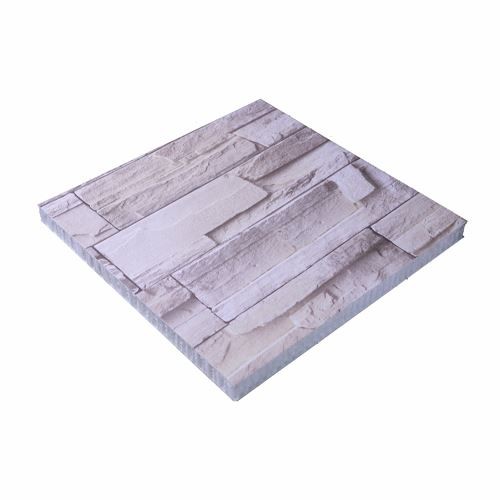
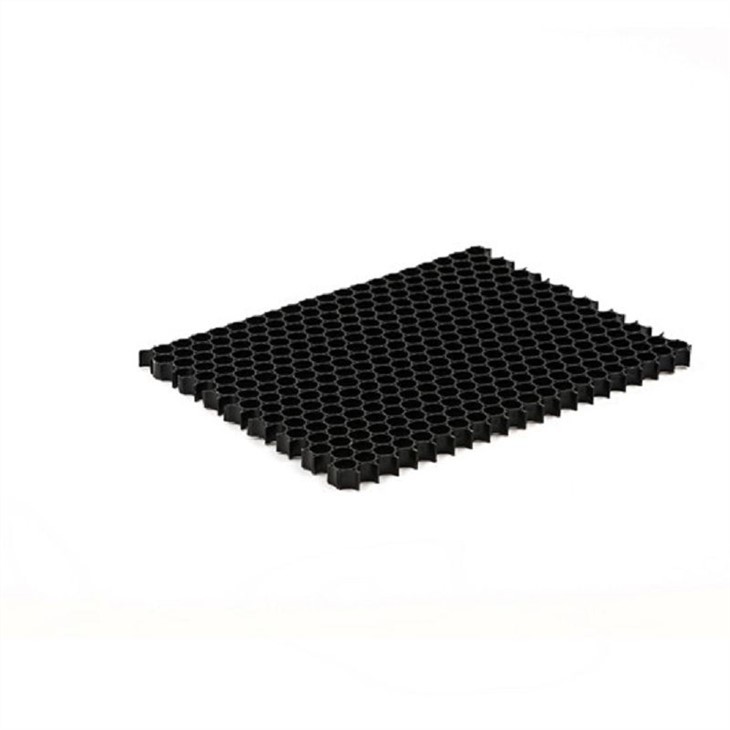
First off, let's talk a bit about what PET honeycomb panels are. PET, or polyethylene terephthalate, is a thermoplastic polymer resin. The honeycomb structure is created by forming a series of hexagonal cells, which gives the panels some really cool properties. These panels are lightweight, strong, and have good insulation properties. They're also quite versatile and can be used in a variety of applications.
Now, when it comes to automotive interiors, there are several factors to consider. One of the most important aspects is weight. In the automotive industry, reducing weight is a big deal. Lighter vehicles consume less fuel, which is not only better for the environment but also for the bottom line. PET honeycomb panels are incredibly lightweight compared to traditional materials like metal or solid plastic. This means that using them in automotive interiors can help reduce the overall weight of the vehicle, leading to improved fuel efficiency.
Another key factor is strength. Despite their light weight, PET honeycomb panels are surprisingly strong. The honeycomb structure distributes stress evenly across the panel, making it resistant to bending and breaking. This is crucial in automotive interiors, where the panels need to withstand the rigors of daily use. For example, seat backs and door panels need to be able to handle the weight of passengers and the impact of opening and closing doors without getting damaged.
Insulation is also an important consideration in automotive interiors. PET honeycomb panels have good thermal and acoustic insulation properties. They can help keep the interior of the vehicle cool in the summer and warm in the winter, reducing the load on the vehicle's heating and cooling systems. Additionally, they can help reduce noise from the engine and the road, providing a more comfortable driving experience.
Let's take a look at some specific applications of PET honeycomb panels in automotive interiors. One common use is in seat construction. The lightweight nature of the panels makes the seats lighter, which in turn reduces the overall weight of the vehicle. The strength of the panels ensures that the seats can support the weight of the passengers without sagging or breaking. The insulation properties also help keep the seats at a comfortable temperature.
Door panels are another area where PET honeycomb panels can be used. They can provide a strong and lightweight structure for the doors, while also helping to reduce noise and improve insulation. The panels can be easily molded to fit the shape of the doors, giving them a sleek and modern look.
Dashboard components are also a potential application. The panels can be used to create the framework for the dashboard, providing a stable base for the various instruments and controls. Their lightweight nature helps reduce the weight of the dashboard, which is beneficial for the overall balance of the vehicle.
However, there are also some challenges to using PET honeycomb panels in automotive interiors. One of the main challenges is cost. Compared to some traditional materials, PET honeycomb panels can be more expensive. This is due to the manufacturing process and the cost of the raw materials. However, as technology improves and production volumes increase, the cost is likely to come down.
Another challenge is compatibility with other materials. In automotive interiors, there are often a variety of materials used, such as fabrics, plastics, and metals. Ensuring that the PET honeycomb panels are compatible with these materials is important to avoid issues such as delamination or chemical reactions.
So, can PET honeycomb panels be used in automotive interiors? The answer is yes! They offer a number of benefits, including lightweight, strength, and insulation. While there are some challenges to overcome, the potential advantages make them a viable option for automotive manufacturers.
If you're in the automotive industry and are interested in learning more about our PET honeycomb panels, or if you're thinking about using them in your next project, I'd love to hear from you. We can provide you with samples, technical specifications, and pricing information. Just reach out and let's start a conversation about how our Thermoplastic Honeycomb Core and Honeycomb-building-panels can meet your needs.
In conclusion, PET honeycomb panels have a lot of potential in automotive interiors. They offer a combination of lightweight, strength, and insulation that makes them an attractive option for automotive manufacturers. While there are some challenges to using them, the benefits are significant. If you're looking for a high-quality, innovative solution for your automotive interior needs, give PET honeycomb panels a closer look.
References
- "Advanced Materials for Automotive Applications" - A research paper on the use of new materials in the automotive industry.
- "Lightweighting Strategies in the Automotive Sector" - A report on the importance of reducing weight in vehicles.
- "Thermal and Acoustic Insulation in Automotive Interiors" - A study on the role of insulation in improving the comfort of vehicles.