

As a supplier of non woven honeycomb panels, I often get asked whether these innovative products can be used outdoors. It's a valid question, considering the unique demands and challenges that outdoor environments present. In this blog post, I'll delve into the characteristics of non woven honeycomb panels, explore their suitability for outdoor use, and provide some insights based on my experience in the industry.
Understanding Non Woven Honeycomb Panels
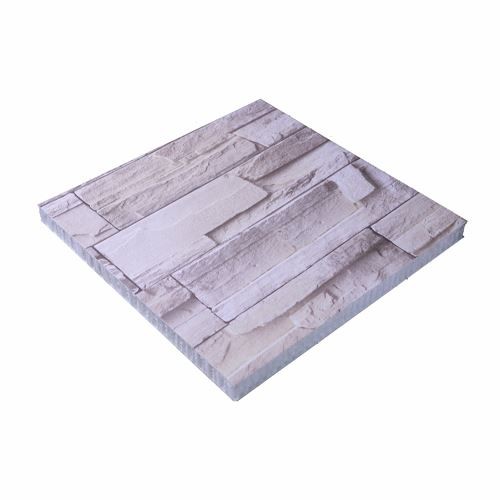
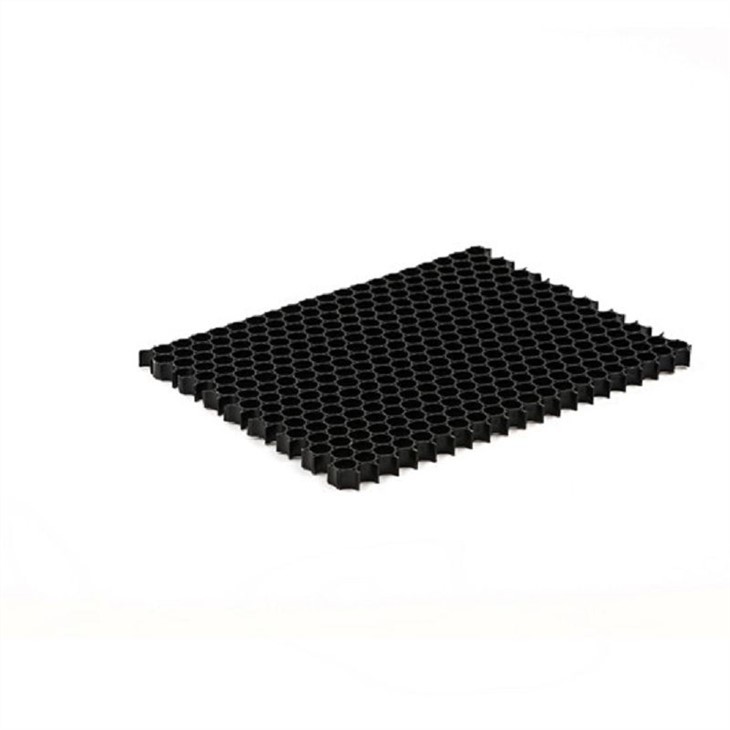
Non woven honeycomb panels are a type of composite material that consists of a honeycomb core sandwiched between two layers of non woven fabric. The honeycomb core is typically made from materials such as paper, aluminum, or thermoplastic polymers. The non woven fabric layers provide additional strength, durability, and surface finish to the panel.
One of the key advantages of non woven honeycomb panels is their high strength-to-weight ratio. The honeycomb structure provides excellent stiffness and rigidity, while the lightweight materials used in the construction make the panels easy to handle and install. This makes them an ideal choice for applications where weight is a concern, such as in the automotive, aerospace, and marine industries.
Another advantage of non woven honeycomb panels is their versatility. They can be customized to meet specific requirements in terms of size, shape, thickness, and surface finish. This makes them suitable for a wide range of applications, including partitions, wall cladding, furniture, and packaging.
Factors to Consider for Outdoor Use
When considering the use of non woven honeycomb panels outdoors, there are several factors that need to be taken into account:
Weather Resistance
Outdoor environments are exposed to a variety of weather conditions, including sunlight, rain, wind, and extreme temperatures. Non woven honeycomb panels need to be able to withstand these conditions without deteriorating or losing their structural integrity.
The non woven fabric layers of the panel can provide some protection against the elements, but it's important to choose a fabric that is specifically designed for outdoor use. Some fabrics are treated with UV inhibitors to prevent fading and degradation from sunlight, while others are water-resistant or waterproof to protect against rain and moisture.
The honeycomb core material also plays a role in the panel's weather resistance. For example, aluminum honeycomb cores are highly resistant to corrosion and can withstand harsh outdoor conditions. Thermoplastic honeycomb cores, such as the Thermoplastic Honeycomb Core, are also known for their excellent weather resistance and durability.
Durability
Outdoor panels are subject to more wear and tear than indoor panels. They may be exposed to physical damage from impact, abrasion, and vandalism. Non woven honeycomb panels need to be able to withstand these types of damage and maintain their appearance and performance over time.
The strength and stiffness of the honeycomb core and the non woven fabric layers contribute to the panel's durability. Panels with a thicker honeycomb core and stronger fabric layers are generally more durable. Additionally, some panels can be coated with a protective layer to enhance their resistance to abrasion and impact.
Maintenance
Outdoor panels require regular maintenance to keep them looking their best and functioning properly. This may include cleaning, inspection, and repair. Non woven honeycomb panels are relatively easy to maintain, but it's important to follow the manufacturer's recommendations for cleaning and care.
Some non woven fabrics can be cleaned with a mild detergent and water, while others may require a special cleaning solution. It's important to avoid using abrasive cleaners or tools that could damage the fabric or the honeycomb core.
Aesthetics
In addition to their functional properties, outdoor panels also need to look good. Non woven honeycomb panels come in a variety of colors and finishes, allowing you to choose a panel that complements the surrounding environment.
Some panels can be printed with custom designs or patterns, providing a unique and personalized look. This makes them a popular choice for architectural and decorative applications.
Applications of Non Woven Honeycomb Panels Outdoors
Despite the challenges of outdoor use, non woven honeycomb panels have a number of potential applications in outdoor settings:
Building Facades
Non woven honeycomb panels can be used as building facades to enhance the appearance and energy efficiency of a building. The panels can be installed vertically or horizontally, and they can be customized to fit the shape and size of the building.
The honeycomb structure of the panels provides excellent insulation, reducing heat transfer and energy consumption. The non woven fabric layers can also help to protect the building from the elements, such as rain, wind, and sunlight.
Outdoor Furniture
Non woven honeycomb panels are a lightweight and durable alternative to traditional materials for outdoor furniture. They can be used to make chairs, tables, benches, and other types of furniture.
The panels can be easily cut and shaped to create custom designs, and they can be finished with a variety of colors and textures to match the style of the furniture. Additionally, the panels are resistant to moisture and UV damage, making them suitable for use in all types of weather conditions.
Signage and Displays
Non woven honeycomb panels are a popular choice for signage and displays because they are lightweight, easy to install, and can be printed with high-quality graphics. The panels can be used for indoor and outdoor signage, as well as for trade show displays and exhibitions.
The honeycomb structure of the panels provides excellent stiffness and rigidity, ensuring that the signage and displays remain flat and stable. The non woven fabric layers can also be treated to enhance their printability and durability.
Outdoor Partitions
Non woven honeycomb panels can be used to create outdoor partitions to divide space and provide privacy. The panels can be installed freestanding or attached to a structure, and they can be customized to fit the size and shape of the area.
The panels are lightweight and easy to move, making them a flexible solution for outdoor spaces. They can also be finished with a variety of colors and textures to match the surrounding environment.
Conclusion
In conclusion, non woven honeycomb panels can be used outdoors, but it's important to choose the right panel for the specific application and environment. By considering factors such as weather resistance, durability, maintenance, and aesthetics, you can ensure that the panels will perform well and look great for years to come.
As a supplier of non woven honeycomb panels, I have the expertise and experience to help you choose the right panel for your outdoor project. Whether you're looking for a building facade, outdoor furniture, signage, or partitions, I can provide you with high-quality panels that meet your needs and exceed your expectations.
If you're interested in learning more about our non woven honeycomb panels or would like to discuss your specific requirements, please don't hesitate to contact us. We'd be happy to answer your questions and provide you with a free quote. Let's work together to create the perfect outdoor solution for your project.
References
- "Honeycomb Materials and Structures: Design, Analysis and Applications" by S. M. Sapkale, S. S. Mahulikar, and S. J. Patil.
- "Composite Materials: Design and Applications" by Ajay M. Mallick.
- Industry reports and technical specifications from leading manufacturers of non woven honeycomb panels.