

Hey there! As a supplier of Honeycomb Composite Boards, I often get asked if these boards can be used for flooring. Well, let's dive right into it and explore the ins and outs of using honeycomb composite boards for flooring.
First off, what exactly are honeycomb composite boards? These boards are made up of a honeycomb core, which is usually sandwiched between two outer layers. The honeycomb core structure gives the board its unique properties. It's lightweight yet strong, thanks to the hexagonal cells that distribute stress evenly. This design makes it an interesting candidate for various applications, including flooring.
One of the major advantages of using honeycomb composite boards for flooring is their weight. Compared to traditional flooring materials like solid wood or concrete, honeycomb composite boards are significantly lighter. This can be a huge plus, especially in situations where weight is a concern, such as in high - rise buildings or mobile homes. The reduced weight also means easier transportation and installation. You won't need a small army of workers to carry and lay these boards, which can save you both time and money.
Another great thing about honeycomb composite boards is their strength - to - weight ratio. Despite being lightweight, they can handle a fair amount of load. The honeycomb structure provides excellent stiffness and resistance to bending. So, if you're looking for a flooring option that can withstand daily foot traffic, furniture movement, and even some minor impacts, honeycomb composite boards might just fit the bill.
When it comes to durability, honeycomb composite boards can be quite robust. The outer layers can be made from materials that are resistant to scratches, stains, and moisture. For example, if the outer layer is made of a high - quality polymer or a treated wood veneer, it can stand up well to the wear and tear of regular use. This makes them suitable for both residential and commercial settings.
Now, let's talk about the types of honeycomb cores. One popular option is the Thermoplastic Honeycomb Core. Thermoplastic honeycomb cores are known for their flexibility and chemical resistance. They can be molded into different shapes and sizes, which allows for more customization in flooring design. Plus, they're recyclable, which is a big plus for those who are environmentally conscious.
In addition to the thermoplastic cores, there are also honeycomb building panels like the ones you can find at Honeycomb - building - panels. These panels are designed specifically for construction applications, including flooring. They often come with pre - finished outer layers, which can save you the hassle of additional finishing work.
However, like any material, honeycomb composite boards also have their limitations when it comes to flooring. One potential issue is the cost. Compared to some basic flooring materials like laminate or vinyl, honeycomb composite boards can be more expensive. This is mainly due to the manufacturing process and the cost of the raw materials. But if you consider the long - term benefits, such as durability and reduced installation costs, the initial investment might be worth it.
Another thing to keep in mind is the installation. While honeycomb composite boards are relatively easy to install compared to some heavy - duty flooring materials, they still require some level of skill. Improper installation can lead to issues like uneven surfaces or loose boards. So, it's important to either have a professional installer or make sure you're well - informed about the installation process before you start.
The acoustic properties of honeycomb composite boards can also be a factor. In some cases, they may not provide as much sound insulation as other flooring materials. If noise reduction is a priority for you, you might need to consider adding an additional sound - proofing layer.
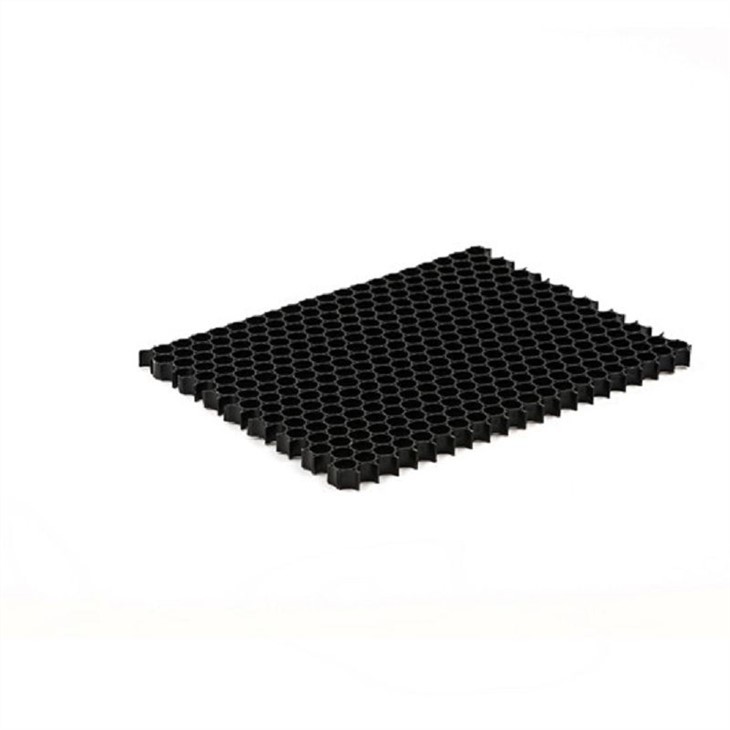
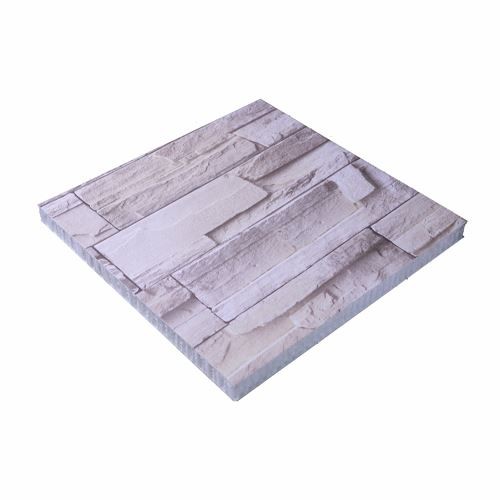
In terms of aesthetics, honeycomb composite boards offer a wide range of options. You can choose from different colors, patterns, and textures for the outer layers. Whether you're going for a modern, minimalist look or a more traditional style, there's likely a honeycomb composite board that will suit your taste.
When it comes to maintenance, honeycomb composite boards are generally easy to clean. Most of the time, a simple sweep or mop with a mild cleaning solution will do the trick. Just make sure to avoid using harsh chemicals that could damage the outer layer.
In conclusion, honeycomb composite boards can definitely be used for flooring. They offer a unique combination of lightweight, strength, and durability. While they do have some limitations, such as cost and potential acoustic issues, the benefits can outweigh the drawbacks in many situations.
If you're interested in using honeycomb composite boards for your flooring project, I'd love to have a chat with you. We can discuss your specific needs, design preferences, and budget. Whether it's a small residential renovation or a large - scale commercial project, we have the expertise and the products to make it happen. So, don't hesitate to reach out and start the conversation about your next flooring adventure!
References
- General knowledge about honeycomb composite boards and their applications in construction.
- Industry reports on the properties and performance of honeycomb core materials.