

As a dedicated supplier of Honeycomb Building Panels, I've witnessed the growing intrigue surrounding these innovative materials in the construction sector. Many stakeholders, including architects, contractors, and building owners, are eager to understand whether investing in honeycomb building panels is a cost - effective choice in the long run. In this blog, I'll delve into various aspects to provide a comprehensive analysis.
The Initial Investment
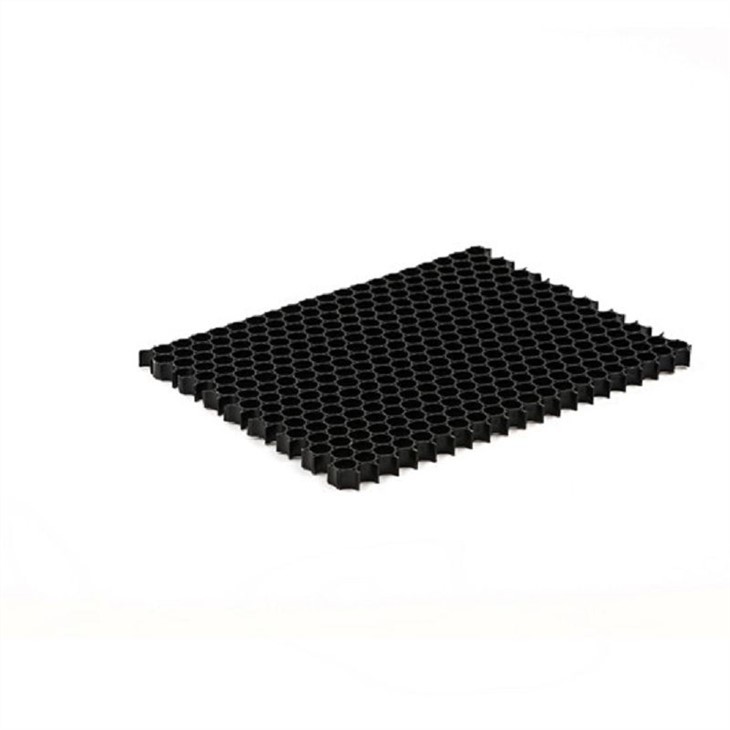
One of the primary concerns when considering any construction material is the upfront cost. Honeycomb building panels, made with a Thermoplastic Honeycomb Core, can have a relatively higher initial price compared to traditional building materials such as concrete, wood, or regular drywall. This is due to the advanced manufacturing processes and the high - tech nature of the materials used.
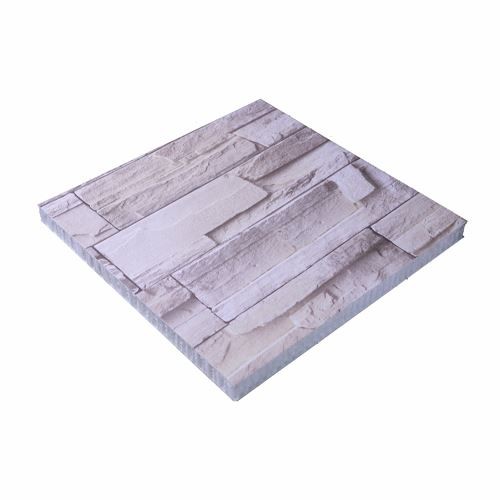
The production of honeycomb cores involves precise engineering to create the characteristic hexagonal structure that provides excellent strength - to - weight ratios. High - quality polymers are often used in thermoplastic honeycomb cores, which can incur additional costs. Additionally, the sandwich panel design, where the honeycomb core is sandwiched between two face sheets, adds to the complexity and cost of production.
However, it's essential to note that the initial cost is just one part of the equation. When making long - term cost - effectiveness assessments, we need to look beyond the first - time purchase price.
Long - Term Durability
Honeycomb building panels are renowned for their durability. The unique honeycomb structure provides inherent strength. The hexagonal cells distribute stress evenly across the panel, making it highly resistant to bending, cracking, and impact. This means that over time, honeycomb panels are less likely to require repairs or replacements compared to many traditional building materials.
Wood, for example, is susceptible to rot, termite damage, and warping due to moisture and temperature variations. Concrete can crack under heavy loads or as a result of seismic activity. In contrast, Honeycomb - building - panels maintain their structural integrity for a much longer time. When considering the labor and material costs associated with ongoing repairs and replacements over the lifespan of a building, the long - term savings with honeycomb panels become evident.
Energy Efficiency
In today's construction landscape, energy efficiency is a top priority. Honeycomb building panels offer significant advantages in this regard. The air pockets within the honeycomb structure act as excellent insulators. They reduce heat transfer, which helps to keep the interior of the building cooler in the summer and warmer in the winter.
This reduction in heat transfer leads to lower energy consumption for heating and cooling systems. Over the long run, building owners can expect substantial savings on their energy bills. For large commercial buildings, these savings can be particularly significant, potentially amounting to hundreds of thousands of dollars over the lifespan of the building.
Moreover, in regions where energy costs are high or where there are strict regulations on building energy efficiency, honeycomb panels can help buildings meet or exceed these requirements, potentially avoiding fines and earning incentives.
Lightweight Nature and Reduced Construction Costs
Honeycomb building panels are incredibly lightweight compared to many traditional building materials. This characteristic has several implications for construction costs. Firstly, less heavy - duty equipment is required for transportation and installation. This reduces the fuel and equipment rental costs associated with getting the materials to the construction site and putting them in place.
Secondly, the lightweight nature of the panels can also lead to savings in foundation design. Since the building imposes less weight on the foundation, a less massive and less expensive foundation can often be constructed. This is especially beneficial for high - rise buildings or structures in areas with poor soil conditions. Overall, the reduced construction costs associated with the lightweight nature of honeycomb panels contribute to their long - term cost - effectiveness.
Design Flexibility and Time Savings
Honeycomb panels offer great design flexibility. They can be easily cut, shaped, and fabricated to meet a wide range of architectural requirements. This means that architects have more creative freedom when designing buildings, and contractors can work more efficiently during the construction process.
The ease of fabrication also leads to time savings. Faster construction times mean reduced labor costs, as workers are on - site for a shorter period. Additionally, in the commercial real estate market, a faster construction timeline can translate into quicker occupancy and revenue generation. For building owners, this can have a significant impact on the return on investment, further enhancing the long - term cost - effectiveness of honeycomb building panels.
Environmental Considerations and Potential Savings
With the increasing focus on sustainable construction, honeycomb building panels have a lot to offer from an environmental perspective. Many thermoplastic honeycomb cores are made from recyclable materials, which reduces the environmental impact at the end of the panel's life cycle.
Some regions offer incentives or tax breaks for using sustainable building materials. By choosing honeycomb building panels, building owners may be eligible for these benefits, which can result in additional cost savings. Moreover, environmentally friendly buildings often have higher market value and appeal to a broader range of tenants or buyers, potentially leading to increased rental income or a higher resale price in the long run.
Maintenance Costs
As mentioned earlier, the durability of honeycomb building panels means lower maintenance costs over time. Traditional building materials may require regular painting, sealing, or other forms of upkeep to maintain their appearance and functionality. Honeycomb panels, on the other hand, are relatively low - maintenance.
Their smooth surfaces are easy to clean, and they are resistant to stains, mold, and mildew. This reduces the need for frequent cleaning and the associated costs of cleaning supplies and labor. Additionally, since the panels are less likely to suffer from structural damage, there is less need for costly structural repairs or reinforcements.
Conclusion
In summary, while honeycomb building panels may have a higher initial cost, they are highly cost - effective in the long run. Their durability, energy efficiency, lightweight nature, design flexibility, environmental benefits, and low maintenance requirements all contribute to significant cost savings over the lifespan of a building.
If you're in the process of planning a construction project and are interested in learning more about the benefits of honeycomb building panels or would like to discuss purchasing options, I encourage you to reach out. We are committed to providing high - quality honeycomb building panels and can work with you to find the best solutions for your specific needs.
References
- [List of relevant industry reports, studies, etc. You need to fill in real - world references here based on actual existing research materials]
- [Another set of research papers or industry guidelines related to honeycomb building panels and construction cost - effectiveness]