

As a supplier of Non Woven Honeycomb Panels, I often get asked about various technical aspects of our products. One question that comes up quite frequently is, "What is the minimum bending radius of Non Woven Honeycomb Panel?" In this blog post, I'll delve into this topic in detail, explaining the factors that influence the minimum bending radius and providing some practical insights based on our experience in the industry.
Understanding Non Woven Honeycomb Panels
Before we discuss the minimum bending radius, let's briefly understand what Non Woven Honeycomb Panels are. These panels are made of non - woven materials arranged in a honeycomb structure. This unique design gives them several advantages, such as high strength - to - weight ratio, good insulation properties, and excellent durability. They are widely used in various industries, including construction, transportation, and packaging. For more information on honeycomb products related to building applications, you can visit [Honeycomb - building - panels](/pp - honeycomb - core/honeycomb - building - panels.html).
Factors Affecting the Minimum Bending Radius
The minimum bending radius of a Non Woven Honeycomb Panel is not a fixed value and is influenced by several factors:
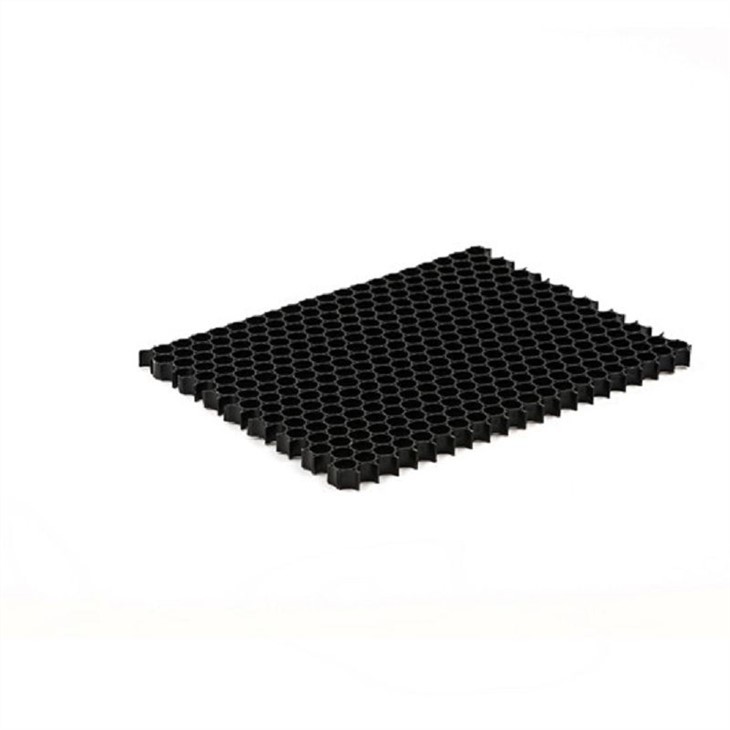
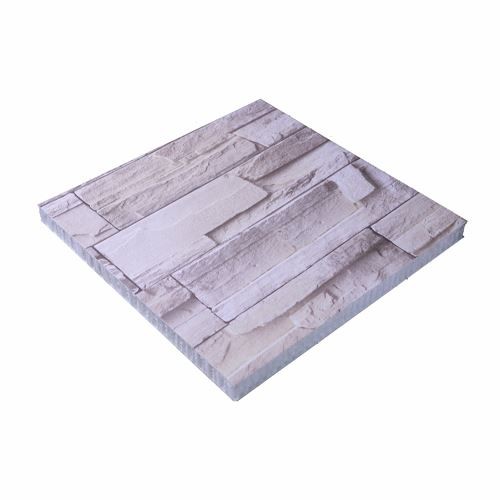
Material Properties
The type of non - woven material used in the panel plays a crucial role. Different materials have different levels of flexibility and stiffness. For example, panels made from more elastic non - woven fibers can generally be bent to a smaller radius compared to those made from stiffer materials. The thickness of the non - woven layer also matters. Thicker non - woven layers may increase the panel's rigidity, resulting in a larger minimum bending radius.
Honeycomb Structure
The geometry of the honeycomb core has a significant impact on the bending properties. The cell size, wall thickness, and density of the honeycomb all contribute to the overall flexibility of the panel. Smaller cell sizes and thinner cell walls usually allow for a smaller minimum bending radius because they offer less resistance to bending. Additionally, the orientation of the honeycomb cells can affect bending. Panels with cells oriented in a particular direction may bend more easily in that direction. Our [Thermoplastic Honeycomb Core](/pp - honeycomb - core/thermoplastic - honeycomb - core.html) offers a variety of honeycomb structures to meet different bending requirements.
Panel Thickness
Thicker Non Woven Honeycomb Panels are generally less flexible than thinner ones. As the thickness increases, the panel becomes more rigid, and the minimum bending radius also increases. This is because the material has to deform over a larger cross - section when bending, which requires more force and is more difficult to achieve without causing damage to the panel.
Measuring the Minimum Bending Radius
To determine the minimum bending radius of a Non Woven Honeycomb Panel, we typically conduct bending tests. These tests involve gradually bending the panel around a cylindrical object with a known radius. The smallest radius at which the panel can be bent without cracking, delaminating, or experiencing significant permanent damage is considered the minimum bending radius.
During the testing process, we use specialized equipment to ensure accurate and repeatable results. We also take into account the loading rate and the temperature conditions, as these factors can affect the bending behavior of the panel. For example, at higher temperatures, the panel may become more flexible, allowing for a smaller minimum bending radius.
Practical Considerations for Bending Non Woven Honeycomb Panels
When it comes to using Non Woven Honeycomb Panels in applications that require bending, there are several practical considerations:
Design Planning
If you know that your application will involve bending the panel, it's important to consider the minimum bending radius during the design phase. This will help you select the appropriate panel thickness, honeycomb structure, and non - woven material. By doing so, you can ensure that the panel can be bent to the required radius without compromising its performance.
Bending Techniques
Proper bending techniques are essential to achieve the desired results. It's important to use smooth - surfaced bending tools to avoid scratching or damaging the panel. Additionally, applying a gradual and uniform bending force can help prevent local stress concentrations that may lead to cracking or delamination. In some cases, pre - heating the panel can make it more flexible and easier to bend.
Quality Control
After bending the panel, it's crucial to conduct a quality inspection to ensure that it meets the required standards. Check for any signs of damage, such as cracks, delamination, or surface irregularities. If any issues are detected, the panel may need to be re - worked or replaced.
Applications of Bending Non Woven Honeycomb Panels
The ability to bend Non Woven Honeycomb Panels opens up a wide range of applications:
Architectural Applications
In architecture, bent Non Woven Honeycomb Panels can be used to create curved walls, ceilings, and facades. Their lightweight and high - strength properties make them an ideal choice for creating unique and aesthetically pleasing architectural designs.
Transportation Industry
In the transportation industry, these panels can be bent to fit the curved shapes of vehicle interiors, such as car dashboards, aircraft partitions, and train seats. The reduced weight of the panels helps to improve fuel efficiency and reduce emissions.
Packaging Industry
Bent Non Woven Honeycomb Panels can be used to create custom - shaped packaging solutions. Their shock - absorbing properties and ability to be formed into various shapes make them suitable for protecting fragile items during transportation.
Conclusion
The minimum bending radius of Non Woven Honeycomb Panels is a complex parameter that is influenced by multiple factors, including material properties, honeycomb structure, and panel thickness. By understanding these factors and following proper bending techniques, you can achieve the desired bending results for your specific applications.
If you are interested in our Non Woven Honeycomb Panels and have any questions about their bending capabilities or other technical aspects, we encourage you to reach out to us. Our team of experts is ready to assist you in selecting the right product for your needs and providing you with detailed technical support. Let's start a conversation about your project and see how our Non Woven Honeycomb Panels can meet your requirements.
References
- "Honeycomb Core Technology and Applications" - A comprehensive industry report on honeycomb materials.
- "Flexural Properties of Composite Panels" - Research paper on the bending behavior of composite materials, including honeycomb panels.