

What is the lifespan of PP Honeycomb Core?
As a supplier of PP honeycomb core, I've been asked numerous times about the lifespan of this remarkable material. PP honeycomb core, made from polypropylene, is widely used in various industries due to its lightweight, high strength, and excellent chemical resistance. In this blog, I'll delve into the factors that influence the lifespan of PP honeycomb core and provide some insights based on our industry experience.
Understanding PP Honeycomb Core
PP honeycomb core is a structured material with a honeycomb-like pattern. It consists of a series of hexagonal cells, which provide a high strength-to-weight ratio. This unique structure makes it an ideal choice for applications where weight reduction is crucial, such as in the aerospace, automotive, and construction industries.
The manufacturing process of PP honeycomb core involves extrusion or thermoforming. During extrusion, polypropylene resin is melted and forced through a die to create the honeycomb structure. Thermoforming, on the other hand, involves heating a sheet of polypropylene and then forming it into the desired honeycomb shape. Both methods result in a durable and lightweight material that can withstand a variety of environmental conditions.
Factors Affecting the Lifespan of PP Honeycomb Core
Several factors can influence the lifespan of PP honeycomb core. Understanding these factors can help you make informed decisions when using this material in your projects.
Environmental Conditions
One of the most significant factors affecting the lifespan of PP honeycomb core is the environmental conditions in which it is used. Exposure to sunlight, heat, moisture, and chemicals can all degrade the material over time.
- Sunlight: Ultraviolet (UV) radiation from the sun can cause the polypropylene to break down, leading to discoloration, embrittlement, and loss of strength. To mitigate this, PP honeycomb core can be treated with UV stabilizers during the manufacturing process. These stabilizers absorb or reflect UV radiation, protecting the material from damage.
- Heat: High temperatures can also affect the performance of PP honeycomb core. Prolonged exposure to heat can cause the material to soften, deform, or even melt. The melting point of polypropylene is typically around 160 - 170°C (320 - 338°F), so it's important to ensure that the material is not exposed to temperatures above this range.
- Moisture: While polypropylene is generally resistant to moisture, prolonged exposure to water can cause the material to absorb moisture, leading to swelling and reduced strength. In applications where the material is exposed to water, such as in marine environments, it's important to use a waterproof coating or sealant to protect the PP honeycomb core.
- Chemicals: PP honeycomb core is resistant to many chemicals, but exposure to certain solvents, acids, and alkalis can cause the material to degrade. Before using PP honeycomb core in a chemical environment, it's important to consult the chemical compatibility chart to ensure that the material is suitable for the application.
Mechanical Stress
Another factor that can affect the lifespan of PP honeycomb core is mechanical stress. This includes factors such as load-bearing capacity, impact resistance, and fatigue.
- Load-Bearing Capacity: The load-bearing capacity of PP honeycomb core depends on its cell size, wall thickness, and density. When designing a structure using PP honeycomb core, it's important to ensure that the material can withstand the expected loads. Overloading the material can cause it to deform or fail prematurely.
- Impact Resistance: PP honeycomb core has good impact resistance, but it can still be damaged by high-impact forces. In applications where the material is exposed to impact, such as in automotive bumpers or protective packaging, it's important to use a thicker or denser honeycomb core to provide additional protection.
- Fatigue: Repeated loading and unloading of PP honeycomb core can cause fatigue, which can lead to cracking and failure over time. To prevent fatigue failure, it's important to design the structure to minimize stress concentrations and to use a material with a high fatigue resistance.
Manufacturing Quality
The quality of the manufacturing process also plays a crucial role in the lifespan of PP honeycomb core. A well-manufactured honeycomb core will have consistent cell size, wall thickness, and density, which will result in a more durable and reliable material.
- Cell Size and Wall Thickness: The cell size and wall thickness of PP honeycomb core can affect its strength and stiffness. A smaller cell size and thicker wall thickness generally result in a stronger and stiffer material. However, these factors also affect the weight and cost of the material, so it's important to find the right balance for your application.
- Density: The density of PP honeycomb core is another important factor that affects its performance. A higher density material will generally have a higher strength and stiffness, but it will also be heavier. When selecting a PP honeycomb core, it's important to consider the specific requirements of your application and choose a material with the appropriate density.
Typical Lifespan of PP Honeycomb Core
The lifespan of PP honeycomb core can vary depending on the factors mentioned above. In general, when used in a favorable environment and under normal operating conditions, PP honeycomb core can have a lifespan of 10 - 20 years or more.
For example, in the construction industry, PP honeycomb core is often used in Honeycomb-building-panels for interior partitions, ceilings, and wall cladding. When properly installed and maintained, these panels can last for many years, providing a cost-effective and lightweight alternative to traditional building materials.
In the automotive industry, PP honeycomb core is used in various applications, such as door panels, seat backs, and headliners. Due to the harsh operating conditions in vehicles, including exposure to heat, vibration, and chemicals, the lifespan of PP honeycomb core in automotive applications may be shorter, typically around 5 - 10 years.
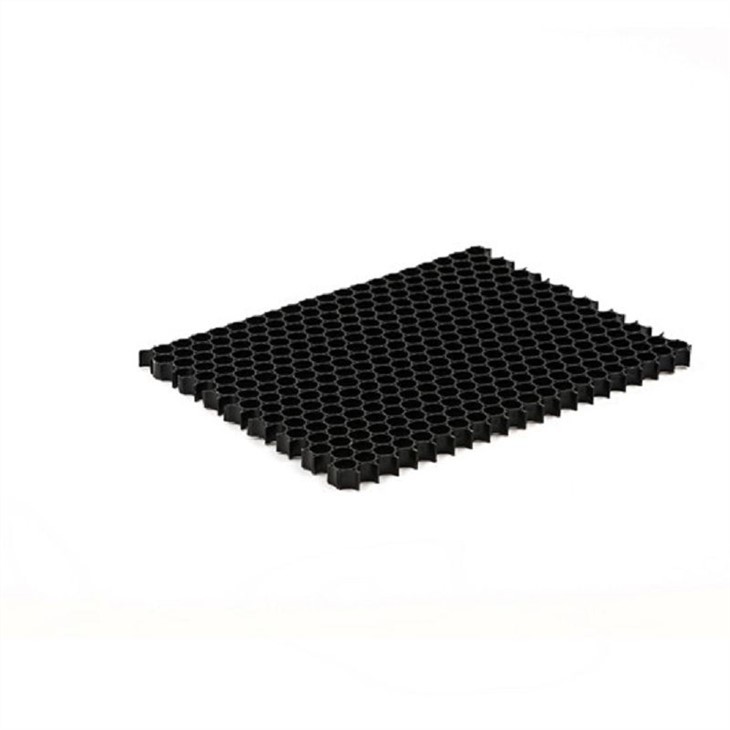
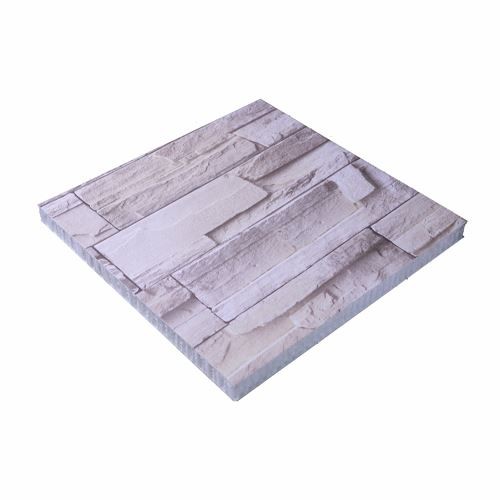
In the aerospace industry, Thermoplastic Honeycomb Core is used in aircraft interiors, such as cabin partitions, galley units, and luggage bins. The lifespan of PP honeycomb core in aerospace applications can be longer, up to 20 years or more, due to the strict quality control and maintenance procedures in the aerospace industry.
Extending the Lifespan of PP Honeycomb Core
To extend the lifespan of PP honeycomb core, it's important to take appropriate measures to protect the material from environmental factors and mechanical stress. Here are some tips:
- Use UV Stabilizers: As mentioned earlier, UV stabilizers can protect the PP honeycomb core from sunlight damage. When purchasing PP honeycomb core, make sure to choose a material that has been treated with UV stabilizers.
- Apply a Protective Coating: A protective coating can provide an additional layer of protection against moisture, chemicals, and abrasion. There are many types of coatings available, such as epoxy, polyurethane, and acrylic coatings. Choose a coating that is compatible with the PP honeycomb core and the application environment.
- Proper Installation and Maintenance: Proper installation and maintenance are crucial for the long-term performance of PP honeycomb core. Follow the manufacturer's installation instructions carefully and ensure that the material is installed correctly. Regularly inspect the material for signs of damage or wear and take appropriate measures to repair or replace it if necessary.
Conclusion
In conclusion, the lifespan of PP honeycomb core depends on a variety of factors, including environmental conditions, mechanical stress, and manufacturing quality. By understanding these factors and taking appropriate measures to protect the material, you can extend the lifespan of PP honeycomb core and ensure its long-term performance.
As a supplier of PP honeycomb core, we are committed to providing high-quality products and technical support to our customers. If you have any questions about the lifespan of PP honeycomb core or need assistance in selecting the right material for your project, please don't hesitate to contact us. We look forward to working with you and helping you achieve your goals.
References
- "Polypropylene: Properties, Processing, and Applications" by Charles A. Harper
- "Handbook of Thermoplastics" by O. Olabisi