

Hey there! As a supplier of Honeycomb Composite Boards, I often get asked about the flexural strength of these boards. So, I thought I'd take a deep - dive into this topic and share some insights with you all.
First off, let's understand what flexural strength means. In simple terms, flexural strength is the ability of a material to resist bending. When you apply a load to a board in a way that makes it bend, the flexural strength determines how much stress the board can take before it breaks or deforms permanently.
For honeycomb composite boards, flexural strength is super important. These boards are used in a wide range of applications, from construction to automotive, and in many cases, they need to withstand bending forces.
Factors Affecting Flexural Strength of Honeycomb Composite Boards
Core Material
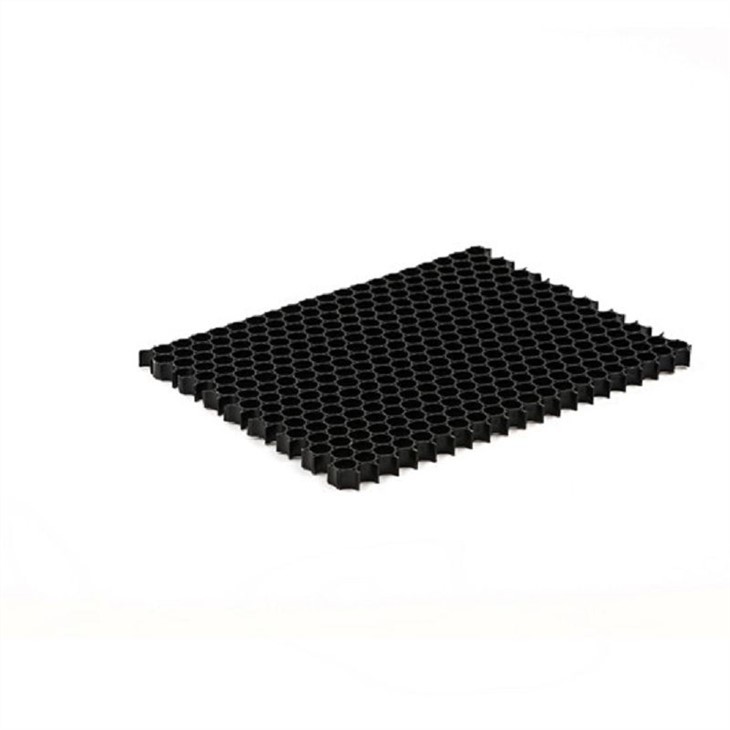
The core of a honeycomb composite board plays a huge role in determining its flexural strength. One popular core material is the Thermoplastic Honeycomb Core. Thermoplastic cores are known for their lightweight yet strong nature. They can distribute the load evenly across the board, which helps in increasing the flexural strength. The honeycomb structure of the core is designed in such a way that it provides maximum support with minimum weight.
Skin Material
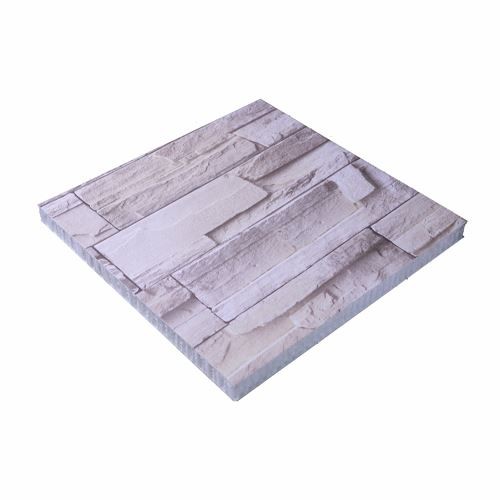
The skins that cover the honeycomb core also have a significant impact on flexural strength. Different types of skins, like fiberglass, aluminum, or wood, can be used. Fiberglass skins, for example, are strong and flexible. They can enhance the overall stiffness of the board and improve its ability to resist bending. Aluminum skins, on the other hand, offer high strength - to - weight ratio. The combination of the right core and skin materials is crucial for achieving optimal flexural strength.
Cell Size and Density of the Honeycomb
The size of the honeycomb cells and their density are important factors too. Smaller cell sizes generally result in higher flexural strength. This is because smaller cells can better resist deformation under load. A higher density of cells also means more material to distribute the load, which can lead to improved flexural performance.
Bonding between Core and Skins
The quality of the bond between the honeycomb core and the skins is vital. A strong bond ensures that the core and skins work together as a single unit. If the bonding is weak, the board may delaminate under bending stress, significantly reducing its flexural strength.
Measuring Flexural Strength
There are standard tests to measure the flexural strength of honeycomb composite boards. One common method is the three - point bending test. In this test, a board is placed on two supports, and a load is applied at the center. The load is gradually increased until the board breaks or reaches a certain level of deformation. The maximum stress the board can withstand before failure is recorded as its flexural strength.
Another test is the four - point bending test. Here, the load is applied at two points between the supports. This test can provide more information about the behavior of the board under different loading conditions.
Applications and Flexural Strength Requirements
Construction
In the construction industry, honeycomb composite boards are used for various purposes, such as wall panels and partitions. For these applications, the boards need to have sufficient flexural strength to support their own weight and any additional loads, like wind pressure. Honeycomb - building - panels are designed to meet these requirements. They are lightweight yet strong enough to be used in both interior and exterior applications.
Automotive
In the automotive sector, honeycomb composite boards are used for parts like door panels and interior trim. These parts need to be lightweight to improve fuel efficiency but also strong enough to withstand the vibrations and impacts during driving. The flexural strength of the boards ensures that they can maintain their shape and integrity under these conditions.
Aerospace
Aerospace applications demand the highest levels of performance. Honeycomb composite boards used in aircraft interiors need to be extremely lightweight and have excellent flexural strength. They must be able to withstand the forces exerted during flight, including changes in air pressure and turbulence.
How Our Honeycomb Composite Boards Stack Up
At our company, we take great pride in the quality of our honeycomb composite boards. We carefully select the core and skin materials to ensure optimal flexural strength. Our manufacturing process focuses on creating a strong bond between the core and skins, and we perform rigorous testing to meet the highest industry standards.
Whether you're in the construction, automotive, or aerospace industry, our boards can meet your flexural strength requirements. We offer a range of options in terms of core materials, skin materials, cell sizes, and densities, so you can choose the board that best suits your specific application.
Why Flexural Strength Matters for Your Business
If you're in the market for honeycomb composite boards, considering the flexural strength is crucial for your business. A board with high flexural strength will last longer, reducing the need for frequent replacements. This can save you money in the long run. Additionally, using high - quality boards with good flexural strength can enhance the reputation of your products. Customers are more likely to trust a product that is made with strong and reliable materials.
Get in Touch for Your Honeycomb Composite Board Needs
If you're interested in learning more about our honeycomb composite boards and their flexural strength, or if you have specific requirements for your project, don't hesitate to reach out. We're here to help you find the perfect solution for your needs. Whether you need a small quantity for a prototype or a large order for a big - scale project, we've got you covered.
Contact us today to start the conversation about how our honeycomb composite boards can meet your flexural strength requirements and take your project to the next level.
References
- ASTM D790 - Standard Test Methods for Flexural Properties of Unreinforced and Reinforced Plastics and Electrical Insulating Materials
- Gibson, L. J., & Ashby, M. F. (1997). Cellular Solids: Structure and Properties. Cambridge University Press.