

As a supplier of Non Slip Honeycomb Panels, I am often asked about the design flexibility these innovative products offer. Non slip honeycomb panels are a remarkable solution in various industries, from construction to transportation, due to their unique combination of strength, lightness, and, of course, their non - slip properties. In this blog, I will delve into the design flexibility of non slip honeycomb panels and explore how they can be customized to meet diverse project requirements.
Material and Core Structure
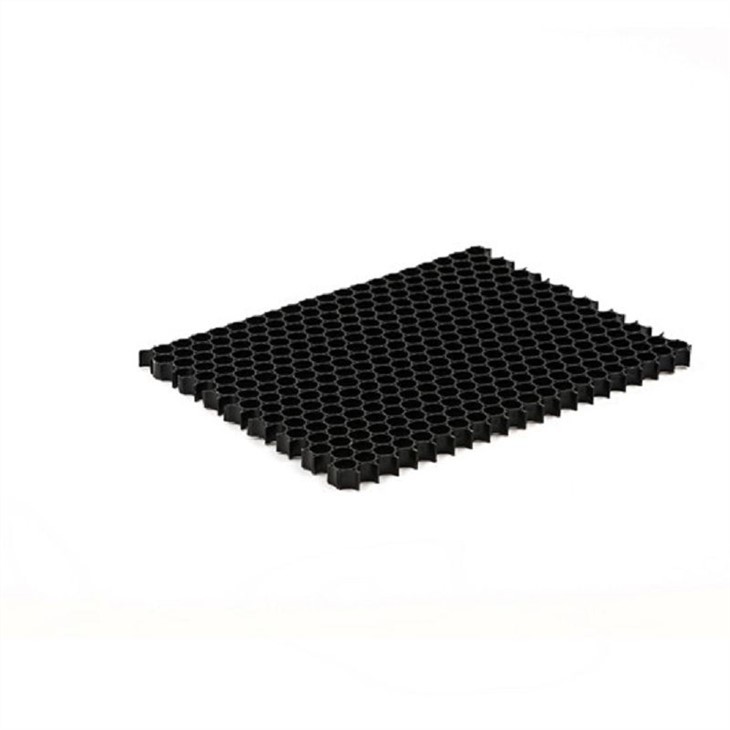
One of the primary aspects contributing to the design flexibility of non slip honeycomb panels is the variety of materials used in their construction. These panels typically consist of a honeycomb core sandwiched between two face sheets. The honeycomb core can be made from different materials, such as aluminum, paper, or Thermoplastic Honeycomb Core.
Aluminum honeycomb cores are known for their high strength - to - weight ratio. They are corrosion - resistant and can withstand high temperatures, making them suitable for applications in the aerospace and automotive industries. Paper honeycomb cores, on the other hand, are lightweight and cost - effective, often used in packaging and interior design projects. Thermoplastic honeycomb cores offer a unique advantage as they are recyclable and can be easily molded into different shapes. This versatility allows designers to create complex geometries that are not possible with traditional materials.
The face sheets of non slip honeycomb panels can also be selected from a wide range of materials, including fiberglass, wood, plastic, and metal. Each material brings its own set of properties to the panel. For example, fiberglass face sheets provide excellent resistance to chemicals and moisture, making them ideal for marine applications. Wood face sheets add a natural aesthetic and are often used in furniture and interior decoration. The choice of face sheet material can be tailored to the specific requirements of the project, such as appearance, durability, and cost.
Shape and Size Customization
Non slip honeycomb panels can be manufactured in a variety of shapes and sizes, offering significant design flexibility. They can be cut into rectangular, square, circular, or even irregular shapes using advanced cutting technologies. This ability to customize the shape of the panels allows designers to create unique and eye - catching designs.
In terms of size, non slip honeycomb panels can be produced in large dimensions, which is beneficial for applications such as wall cladding and flooring in large commercial buildings. At the same time, they can also be made in smaller sizes for more intricate projects, like model making or small - scale furniture. The thickness of the panels can also be adjusted according to the required strength and load - bearing capacity. Thicker panels are suitable for heavy - duty applications, while thinner panels can be used in lightweight structures.
Surface Finish and Texture
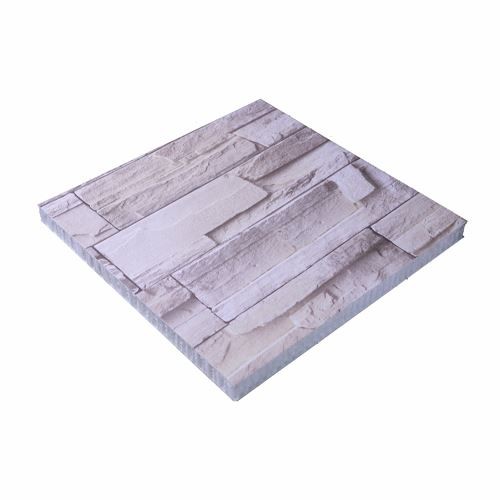
The non - slip property of these panels is a crucial feature, and it can be achieved through various surface finishes and textures. The surface finish can be smooth, textured, or patterned, depending on the application. A smooth finish may be preferred for applications where a clean and modern look is desired, such as in some interior design projects. However, for areas where slip resistance is of utmost importance, such as industrial floors or ship decks, a textured or patterned surface is more appropriate.
There are different types of textures available, such as diamond patterns, ribbed textures, or gritty surfaces. These textures provide increased friction, reducing the risk of slips and falls. Additionally, the surface finish can be customized to match the overall design aesthetic of the project. For example, a wood - grain finish can be applied to the panel to give it a natural and warm appearance, while a metallic finish can add a modern and industrial look.
Color Options
Non slip honeycomb panels come in a wide range of color options, allowing designers to create visually appealing designs. The panels can be pre - colored during the manufacturing process or painted after installation. This flexibility in color selection enables designers to match the panels with the existing color scheme of a building or to create a bold and contrasting statement.
In architectural applications, color - coordinated non slip honeycomb panels can be used to enhance the exterior or interior appearance of a building. For example, bright and vibrant colors can be used to create a modern and energetic look, while more muted tones can provide a sophisticated and elegant aesthetic. In transportation applications, such as buses or trains, color - coded panels can be used for safety and identification purposes.
Integration with Other Materials and Systems
Non slip honeycomb panels can be easily integrated with other materials and systems, further expanding their design flexibility. They can be combined with glass, steel, or concrete to create hybrid structures that offer the best of both worlds. For example, in a building facade, non slip honeycomb panels can be used in combination with glass panels to provide both transparency and slip resistance.
These panels can also be integrated with various mechanical and electrical systems. They can be designed with cut - outs and channels to accommodate wiring, plumbing, and ventilation systems. This integration simplifies the installation process and reduces the overall cost of the project.
Applications in Different Industries
The design flexibility of non slip honeycomb panels makes them suitable for a wide range of applications in different industries.
Construction Industry
In the construction industry, non slip honeycomb panels are used for wall cladding, flooring, and roofing. Their lightweight nature reduces the load on the building structure, while their high strength ensures durability. The ability to customize the shape, size, color, and texture of the panels allows architects and designers to create unique and functional buildings. For example, Honeycomb - building - panels can be used to create energy - efficient facades that also provide slip resistance on walkways and balconies.
Transportation Industry
In the transportation industry, these panels are used in vehicles such as buses, trains, and airplanes. They are used for flooring, interior partitions, and even exterior body parts. The non - slip property is essential for passenger safety, especially in areas prone to moisture, such as the entrance and exit areas of buses. The design flexibility allows for the creation of lightweight and aerodynamic structures, improving fuel efficiency.
Furniture Industry
In the furniture industry, non slip honeycomb panels are used to create innovative and functional furniture pieces. Their ability to be customized in shape, size, and color makes them ideal for creating unique designs. For example, they can be used to make chairs, tables, and cabinets with a modern and stylish look. The non - slip surface is also beneficial for furniture placed in areas where spills are likely, such as kitchens or dining rooms.
Conclusion
In conclusion, the design flexibility of non slip honeycomb panels is truly remarkable. From the choice of materials and core structures to the customization of shape, size, surface finish, color, and integration with other systems, these panels offer endless possibilities for designers and architects. Whether it's a large - scale construction project, a transportation application, or a piece of furniture, non slip honeycomb panels can be tailored to meet the specific requirements of the project.
If you are interested in exploring the potential of non slip honeycomb panels for your next project, I encourage you to contact us. Our team of experts is ready to assist you in selecting the right panel design and configuration to meet your needs. We can provide samples, technical specifications, and cost estimates to help you make an informed decision. Let's work together to bring your design ideas to life with our high - quality non slip honeycomb panels.
References
- "Advanced Materials in Construction" by John Smith
- "Design and Applications of Honeycomb Structures" by Jane Doe
- Industry reports on non slip honeycomb panels from leading market research firms.