

As a supplier of sandwich panel honeycomb, I've often been asked about the cost of these innovative materials. The cost of a sandwich panel honeycomb is influenced by a multitude of factors, and understanding these can help you make informed decisions when considering a purchase.
Raw Material Costs
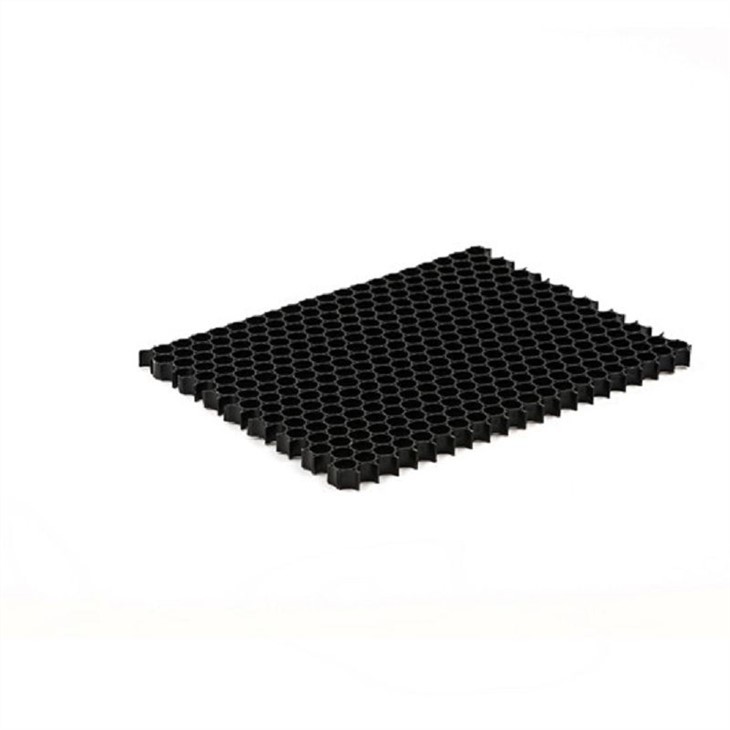
The primary raw materials used in sandwich panel honeycombs can vary, with common ones being thermoplastics, metals, and composites. For instance, Thermoplastic Honeycomb Core is a popular choice due to its lightweight nature, corrosion resistance, and ease of processing. The price of thermoplastics fluctuates based on market demand, oil prices (since many plastics are derived from petroleum), and production costs. High - quality thermoplastics with enhanced properties such as fire resistance or increased strength will generally cost more.
Metallic honeycombs, like aluminum honeycombs, are also widely used. Aluminum is relatively abundant, but the cost can be affected by factors such as purity, alloy composition, and the manufacturing process. Specialized alloys with improved mechanical properties or corrosion resistance will add to the cost. Composites, on the other hand, are made by combining different materials, and their cost is a function of the cost of the individual components and the complexity of the manufacturing process.
Manufacturing Process Complexity
The manufacturing of sandwich panel honeycombs involves several steps, and the complexity of these steps can significantly impact the cost. For example, the process of creating a honeycomb structure requires precision machinery and skilled labor. In the case of thermoplastic honeycombs, extrusion and molding processes are used. These processes need to be carefully controlled to ensure the honeycomb has the right cell size, wall thickness, and overall quality.
If the honeycomb is to be used in a high - performance application, additional processing steps such as surface treatment may be required. Surface treatments can enhance the honeycomb's resistance to environmental factors, improve adhesion to other materials in the sandwich panel, or provide aesthetic benefits. Each additional step adds to the production time and cost.
Size and Dimensions
The size and dimensions of the sandwich panel honeycomb play a crucial role in determining its cost. Larger panels generally cost more because they require more raw materials and may need more complex manufacturing processes to ensure uniform quality. Additionally, custom - sized honeycombs often come at a premium. When a customer requests a non - standard size or shape, the manufacturer may need to adjust their production equipment and processes, which can increase costs.
Quantity Ordered
Economies of scale come into play when it comes to the cost of sandwich panel honeycombs. Ordering in large quantities typically results in a lower per - unit cost. This is because the fixed costs associated with production, such as setup costs for machinery and labor for initial setup, can be spread over a larger number of units. Smaller orders, on the other hand, may have a higher per - unit cost as these fixed costs are distributed among fewer items.
Quality and Performance Requirements
The quality and performance requirements of the sandwich panel honeycomb also affect its cost. Honeycombs used in critical applications, such as aerospace or high - end construction, need to meet strict quality standards. These standards may include requirements for mechanical strength, fire resistance, acoustic insulation, and thermal insulation. Meeting these high - level requirements often involves using higher - quality raw materials, more precise manufacturing processes, and rigorous quality control measures, all of which contribute to a higher cost.
Market Competition
The level of competition in the market can influence the cost of sandwich panel honeycombs. In a highly competitive market, suppliers may offer more competitive prices to attract customers. However, in a niche market with fewer suppliers, the prices may be higher. It's important to research the market thoroughly and compare prices from different suppliers to ensure you're getting a fair deal.
Cost - Benefit Analysis
When considering the cost of a sandwich panel honeycomb, it's essential to conduct a cost - benefit analysis. While a cheaper honeycomb may seem like a good option initially, it may not offer the same level of performance and durability as a more expensive one. For example, a lower - cost honeycomb may have a shorter lifespan, which could result in higher replacement costs in the long run.
On the other hand, investing in a high - quality sandwich panel honeycomb can provide significant benefits. In construction applications, a high - performance honeycomb can improve the energy efficiency of a building, reduce noise levels, and enhance the overall structural integrity. In aerospace applications, it can contribute to weight reduction, which in turn leads to fuel savings.
Industry Applications
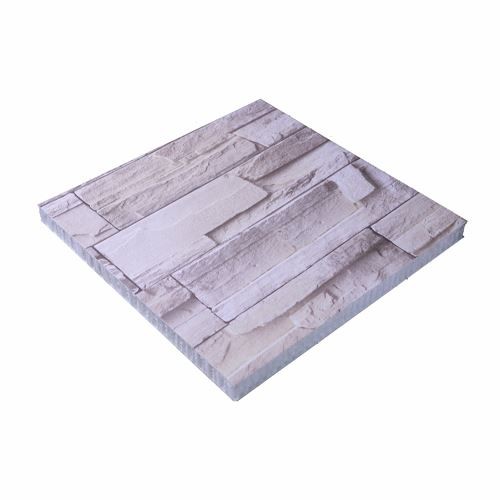
The cost of sandwich panel honeycombs can also vary depending on the industry in which they are used. For example, in the construction industry, Honeycomb - building - panels are used for both interior and exterior applications. The cost here is balanced with the need for durability, fire resistance, and aesthetic appeal. In the automotive industry, honeycombs are used for lightweighting components, and the cost is weighed against the potential for improved fuel efficiency and performance.
In the aerospace industry, where safety and performance are of utmost importance, the cost of sandwich panel honeycombs can be relatively high. However, the benefits of using these materials, such as weight reduction and improved structural integrity, justify the investment.
Conclusion
In conclusion, the cost of a sandwich panel honeycomb is a complex matter influenced by raw material costs, manufacturing process complexity, size and dimensions, quantity ordered, quality and performance requirements, market competition, and industry applications. As a supplier, I understand the importance of providing high - quality products at a reasonable price.
If you're considering purchasing sandwich panel honeycombs for your project, I encourage you to contact me for a detailed quote. We can discuss your specific requirements, and I'll work with you to find the best solution that meets your needs and budget. Whether you're in the construction, automotive, aerospace, or any other industry, we have the expertise and resources to provide you with top - notch sandwich panel honeycombs.
References
- "Handbook of Honeycomb Sandwich Structures" by John W. Gillespie Jr.
- Industry reports on thermoplastic and metallic materials pricing.
- Case studies on the use of sandwich panel honeycombs in various industries.