

Yo, folks! I'm a supplier of PP Honeycomb Panels, and today I wanna talk about something super important: the bonding strength of PP Honeycomb Panels when they're joined with other materials.
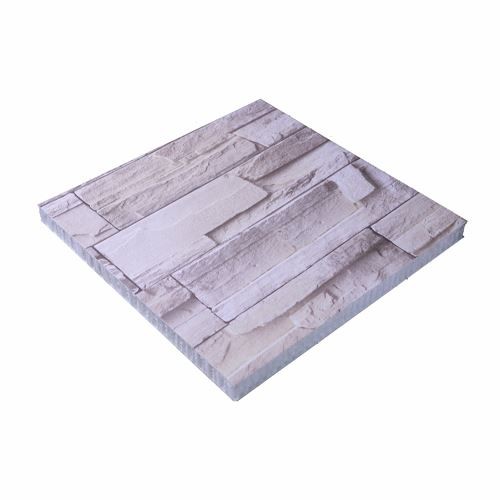
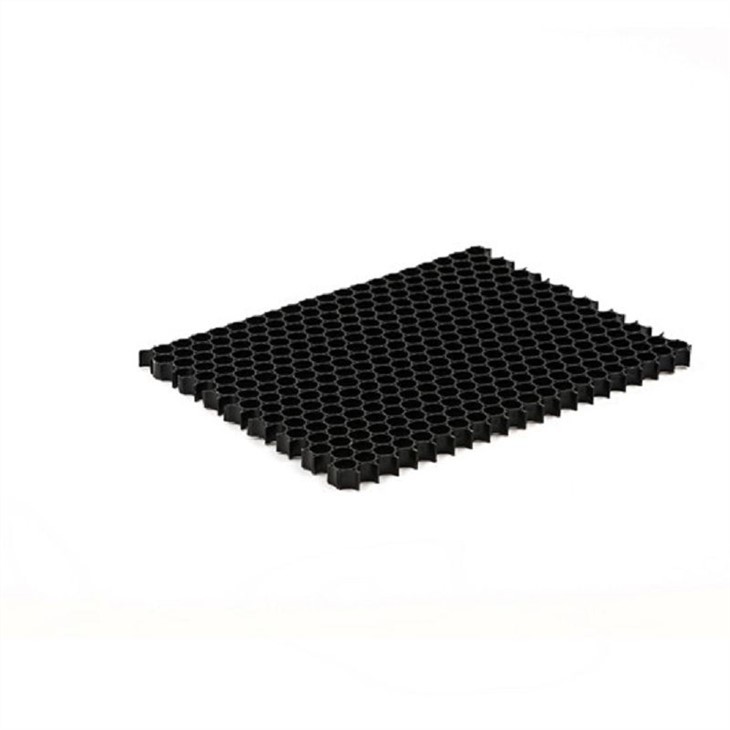
First off, let's get a basic understanding of what PP Honeycomb Panels are. These panels are made of polypropylene (PP), which is a thermoplastic polymer. They have a honeycomb - like structure in the middle, which gives them a great combination of light weight and high strength. You can check out more about Honeycomb - building - panels on our website.
Now, why is bonding strength such a big deal? Well, in a lot of applications, PP Honeycomb Panels need to be joined with other materials. Whether it's in the construction industry, automotive, or even in furniture making, a strong bond ensures the overall performance and durability of the final product.
Factors Affecting Bonding Strength
Surface Preparation
One of the key factors that affect the bonding strength is surface preparation. If the surface of the PP Honeycomb Panel isn't properly prepared, the adhesive won't be able to stick well. PP is a low - surface - energy material, which means it doesn't naturally bond easily with adhesives. So, we often need to do some surface treatments.
For example, we can use chemical treatments like corona treatment or plasma treatment. These treatments increase the surface energy of the PP, making it more receptive to adhesives. Another option is mechanical abrasion. By lightly sanding the surface of the panel, we can create a rougher surface, which gives the adhesive more area to grip onto.
Adhesive Selection
The type of adhesive you choose also plays a huge role in the bonding strength. There are different types of adhesives available, such as epoxy, polyurethane, and acrylic adhesives.
Epoxy adhesives are known for their high strength and good chemical resistance. They work well in applications where a strong, permanent bond is required. Polyurethane adhesives, on the other hand, offer good flexibility and impact resistance. They're great for applications where the bonded parts might experience some movement or vibration. Acrylic adhesives are fast - curing and have good adhesion to a variety of materials.
When joining PP Honeycomb Panels with other materials, we need to consider the properties of both the panel and the other material. For instance, if we're bonding a PP Honeycomb Panel to a metal part, we might choose an adhesive that has good adhesion to both PP and metal. You can learn more about the technical details of our Thermoplastic Honeycomb Core to understand how different adhesives interact with it.
Environmental Conditions
The environment in which the bonding takes place and the final product will be used also affects the bonding strength. Temperature and humidity are two important factors.
If the bonding process is done at a very low temperature, the adhesive might not cure properly, resulting in a weak bond. On the other hand, high temperatures can cause the adhesive to dry too quickly, also leading to a less - than - optimal bond. Humidity can also affect the adhesive's performance. Some adhesives are sensitive to moisture, and high humidity can cause them to form bubbles or reduce their bonding strength.
Testing the Bonding Strength
We can't just assume that the bond is strong. We need to test it to make sure. There are several ways to test the bonding strength of PP Honeycomb Panels joined with other materials.
Tensile Testing
Tensile testing is one of the most common methods. In this test, we apply a pulling force to the bonded joint until it breaks. The force required to break the bond is measured, and this gives us an idea of the bonding strength. We can use a universal testing machine to perform this test accurately.
Shear Testing
Shear testing is another important test. Instead of pulling the joint apart, we apply a force parallel to the bonded surface. This simulates the type of forces that the joint might experience in real - world applications, such as when the panel is used in a structure and is subjected to lateral forces.
Peel Testing
Peel testing is used to measure the strength of the bond when one of the materials is being peeled away from the other. This is especially important in applications where there might be a risk of the bonded parts separating at the edges.
Applications and Bonding Requirements
Construction Industry
In the construction industry, PP Honeycomb Panels are often used for interior partitions, wall cladding, and roofing. When bonding them to other building materials like wood, metal, or concrete, we need a strong bond that can withstand the weight of the panel and any external forces. For example, in a high - rise building, the panels need to be securely bonded to the metal frames to ensure the safety of the structure.
Automotive Industry
In the automotive industry, PP Honeycomb Panels are used for interior trim, door panels, and even some structural components. The bonding strength needs to be high enough to withstand the vibrations and impacts that the vehicle experiences during normal use. Also, the bond needs to be resistant to temperature changes, as the interior of a car can get very hot in the summer and cold in the winter.
Furniture Making
In furniture making, PP Honeycomb Panels are used to make lightweight yet strong furniture pieces. When bonding them to other materials like wood or plastic, the bond needs to be aesthetically pleasing as well as strong. For example, in a modern - style chair, the panel needs to be smoothly bonded to the wooden frame to create a seamless look.
How We Ensure High Bonding Strength
As a PP Honeycomb Panel supplier, we take several steps to ensure high bonding strength.
First, we have a strict quality control process for our panels. We make sure that the panels are manufactured to the highest standards, with consistent thickness and density. This ensures that the surface properties of the panels are uniform, which is important for good bonding.
Second, we work closely with adhesive manufacturers to select the best adhesives for different applications. We conduct our own in - house tests to evaluate the performance of different adhesives on our panels.
Finally, we provide technical support to our customers. We can offer advice on surface preparation, adhesive selection, and the bonding process. We also have a team of experts who can help troubleshoot any bonding issues that our customers might encounter.
Wrapping It Up and Reaching Out
So, there you have it, a rundown on the bonding strength of PP Honeycomb Panels when joined with other materials. It's a complex topic, but understanding these factors is crucial for getting the best performance out of the panels in different applications.
If you're in the market for high - quality PP Honeycomb Panels and need help with bonding them to other materials, don't hesitate to reach out. We're here to help you make the right choices and ensure that your projects are a success. Whether you're in construction, automotive, or furniture making, we've got the expertise and products to meet your needs.
References
- Callister, W. D., & Rethwisch, D. G. (2011). Materials Science and Engineering: An Introduction. Wiley.
- Strong, A. B. (2008). Plastics Materials and Processing. Pearson Prentice Hall.