

Is PP Honeycomb Panel suitable for use in clean rooms?
As a supplier of PP honeycomb panels, I often get asked whether our products are suitable for use in clean rooms. Clean rooms are highly controlled environments where strict standards for air quality, particle count, and contamination control are maintained. These environments are critical in industries such as semiconductor manufacturing, pharmaceuticals, biotechnology, and aerospace, where even the slightest contamination can have significant consequences.
In this blog post, I'll delve into the characteristics of PP honeycomb panels and evaluate their suitability for clean room applications.
Understanding PP Honeycomb Panels
PP honeycomb panels are made from polypropylene (PP), a thermoplastic polymer known for its excellent chemical resistance, low moisture absorption, and high strength - to - weight ratio. The honeycomb structure consists of a series of hexagonal cells, which provide exceptional stiffness and stability while keeping the weight of the panel relatively low.
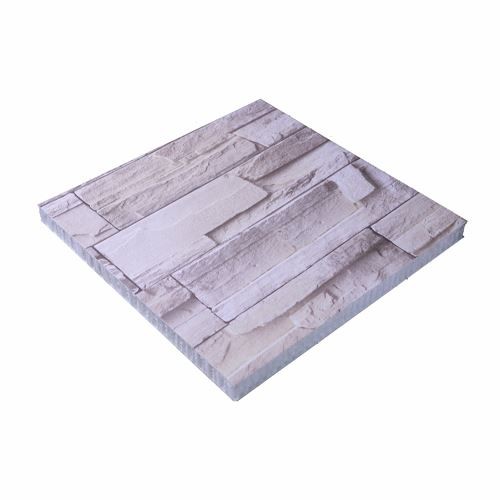
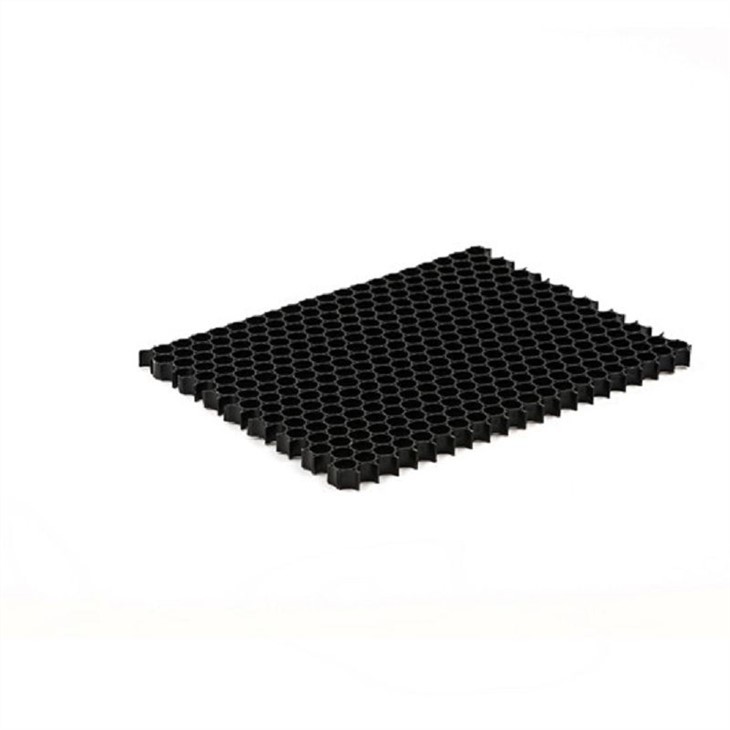
The manufacturing process of PP honeycomb panels involves extrusion and bonding techniques. The polypropylene is first extruded into thin sheets, which are then formed into the honeycomb structure and bonded together. This results in a panel that is lightweight, yet robust enough to withstand various mechanical stresses.
Key Properties of PP Honeycomb Panels Relevant to Clean Rooms
1. Chemical Resistance
One of the most significant advantages of PP honeycomb panels is their excellent chemical resistance. Clean rooms often use a variety of chemicals for cleaning, sterilization, and manufacturing processes. PP honeycomb panels can resist a wide range of chemicals, including acids, alkalis, and organic solvents. This resistance ensures that the panels do not degrade or release harmful substances when exposed to these chemicals, maintaining the cleanliness of the clean room environment.
2. Low Outgassing
Outgassing is the release of volatile organic compounds (VOCs) from a material. In clean rooms, low outgassing materials are essential to prevent the contamination of sensitive products or processes. PP honeycomb panels have relatively low outgassing properties. The polypropylene material is stable and does not release significant amounts of VOCs, making it suitable for use in clean rooms where air quality is of utmost importance.
3. Lightweight and Easy to Install
The lightweight nature of PP honeycomb panels makes them easy to handle and install. In clean room construction, ease of installation can reduce the time and labor required for building and renovation projects. This also minimizes the disruption to the clean room environment during installation, which is crucial for maintaining the strict cleanliness standards.
4. Hygiene and Cleanability
PP honeycomb panels have a smooth surface that is easy to clean. In clean rooms, regular cleaning is necessary to remove particles and contaminants. The smooth surface of PP honeycomb panels does not trap dust or bacteria easily, and it can be wiped down or washed with common cleaning agents without causing damage to the panel.
Potential Drawbacks
1. Static Electricity
One potential drawback of PP honeycomb panels is their tendency to generate static electricity. In clean rooms, static electricity can attract dust particles and cause damage to sensitive electronic components. However, this issue can be mitigated by using anti - static coatings or additives during the manufacturing process. Some of our PP honeycomb panels are available with anti - static treatments to address this concern.
2. Temperature Limitations
PP honeycomb panels have a relatively low melting point compared to some other materials. In high - temperature clean room applications, the panels may deform or lose their structural integrity. It's important to consider the operating temperature range of the clean room when selecting PP honeycomb panels. For most standard clean room applications, where the temperature is kept within a reasonable range, this is not usually a significant issue.
Applications in Clean Rooms
PP honeycomb panels can be used in various clean room applications. They can be used as wall and ceiling panels, providing a lightweight and cleanable surface. The panels can also be used for equipment enclosures, workbenches, and partitions. Their high strength - to - weight ratio makes them suitable for supporting the weight of equipment and providing a stable structure within the clean room.
For example, in a semiconductor manufacturing clean room, PP honeycomb panels can be used to construct the walls and ceilings. The chemical resistance of the panels ensures that they can withstand the harsh chemicals used in the manufacturing process, while the low outgassing properties prevent contamination of the semiconductor wafers.
Comparison with Other Materials
When compared to other materials commonly used in clean rooms, such as stainless steel and aluminum, PP honeycomb panels offer several advantages. Stainless steel and aluminum are heavier and more expensive. PP honeycomb panels are a cost - effective alternative that provides similar strength and durability in many applications.
However, stainless steel and aluminum have better heat resistance and are less likely to generate static electricity. So, in applications where high - temperature resistance or extremely low static generation is required, these metals may be a better choice.
Conclusion
In conclusion, PP honeycomb panels can be a suitable option for many clean room applications. Their chemical resistance, low outgassing, lightweight, and easy cleanability make them a viable choice for maintaining the cleanliness and functionality of clean rooms. While there are some potential drawbacks such as static electricity and temperature limitations, these issues can be addressed through proper design and treatment.
If you are considering using PP honeycomb panels in your clean room project, we are here to provide you with the best - suited products. Our Honeycomb - building - panels are designed to meet the high - quality standards required for clean room applications. We also offer Thermoplastic Honeycomb Core with various specifications to meet different needs.
We encourage you to contact us to discuss your specific requirements and explore how our PP honeycomb panels can be integrated into your clean room design. Our team of experts is ready to assist you in making the right choice for your project.
References
- "Handbook of Cleanroom Design, Construction, and Operation" by William D. Whittemore
- "Polypropylene: Structure, Blends and Composites" by L. A. Utracki