

Hey there! As a supplier of PP Honeycomb Panels, I've seen firsthand how choosing the right panel for a specific application can be a real head - scratcher. But don't worry, I'm here to break it down for you in a simple and easy - to - understand way.
Let's first talk about what PP Honeycomb Panels are. These panels are made from polypropylene, a thermoplastic polymer. They're known for being lightweight, strong, and resistant to many chemicals. And because of the unique honeycomb structure inside, they offer excellent stiffness - to - weight ratios. But when it comes to different applications, you need to make sure you're picking the right one.
1. Understanding Your Application Needs
The very first step in choosing the right PP Honeycomb Panel is to really understand what you'll be using it for. Are you working on a construction project? Maybe it's for some packaging or automotive parts. Each application has its own set of requirements.
Construction
If you're in the construction industry, honeycomb panels can be used for things like partitions, false ceilings, or even exterior facades. In this case, you need panels that can withstand a bit of wear and tear. Honeycomb - building - panels are a great option here. They need to have good fire resistance, especially if they're going to be used indoors. You'll also want panels with high insulation properties to keep the building energy - efficient. For example, if you're in a colder climate, a panel with better thermal insulation will help keep the heat in during winter.
Packaging
When it comes to packaging, the main goal is to protect the product inside. PP Honeycomb Panels are a popular choice because they're lightweight, which saves on shipping costs. You need to choose a panel that can absorb shocks and vibrations. A thinner panel might work for small, lightweight items, while larger and heavier products will need a thicker and more robust panel.
Automotive
In the automotive industry, weight reduction is a big deal because it improves fuel efficiency. PP Honeycomb Panels can be used for interior parts like door panels, seat backs, and even trunk liners. You need panels that are not only lightweight but also have good acoustic properties to reduce noise inside the car. And of course, they must be durable enough to handle the normal wear and tear that comes with daily use.
2. Considering the Panel Thickness
The thickness of the PP Honeycomb Panel is a crucial factor. Thicker panels offer more strength and stiffness, but they also add weight. For those construction projects where you need high load - bearing capacity, like in large - scale partitions, a thicker panel is the way to go. On the other hand, if you're using the panel for packaging or something where weight is a major concern, a thinner panel will do the job just fine.
Let me give you an example. Say you're packaging a delicate electronic device. A 3 - 5mm thick panel might be sufficient to protect it from minor bumps and scratches. But if you're building a partition wall that needs to support some light fixtures or other objects, you might want to go for a 10 - 15mm thick panel.
3. Assessing the Core Structure
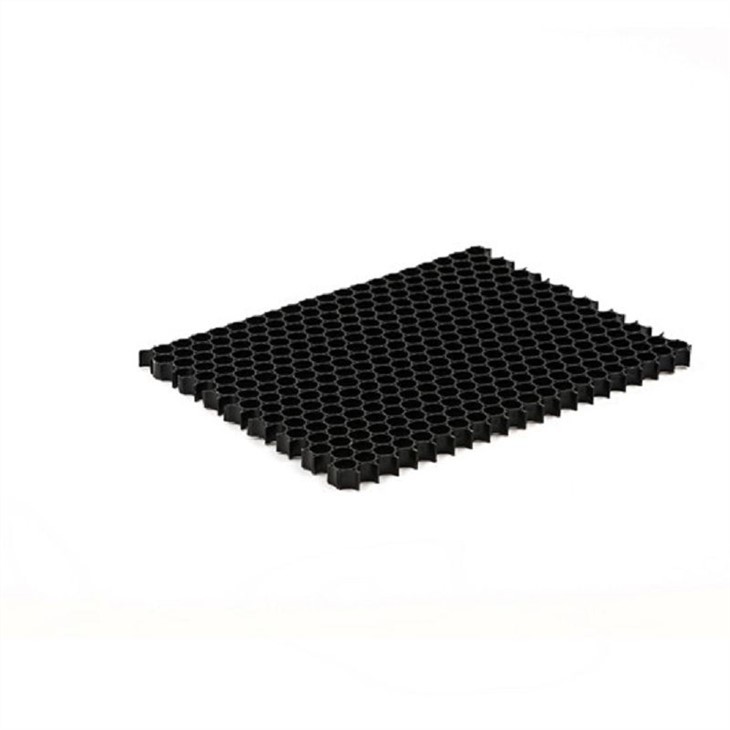
The core structure of the PP Honeycomb Panel also plays an important role. Different core structures can affect the panel's strength, stiffness, and even its cost. The Thermoplastic Honeycomb Core comes in various cell sizes and shapes.
A smaller cell size generally means a stronger panel because there are more support points. However, panels with smaller cell sizes can be more expensive to manufacture. If you need a panel with high strength and you're not too worried about the cost, a smaller cell - sized core is a good choice. For applications where you need a balance between cost and performance, a medium - sized cell core might be the best fit.
4. Looking at the Surface Finish
The surface finish of the PP Honeycomb Panel can impact its appearance and functionality. There are different types of surface finishes available, such as smooth, textured, or coated.
A smooth surface finish is great for applications where you want a clean and professional look. It's also easier to clean and can be used for applications like interior partitions or display boards. Textured finishes, on the other hand, can provide better grip, which is useful for things like flooring or automotive footrests.
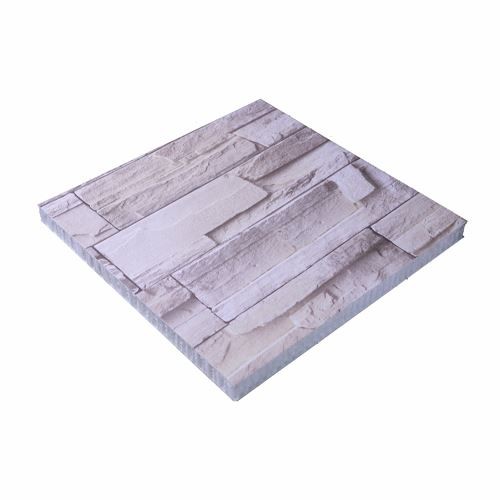
Coated surface finishes can add extra properties to the panel. For example, a UV - resistant coating can be applied if the panel is going to be used outdoors. This helps prevent the panel from fading or degrading due to sunlight exposure.
5. Durability and Chemical Resistance
Depending on your application, you need to consider the panel's durability and chemical resistance. If the panel is going to be used in a harsh environment, such as a chemical plant or a food processing facility, it needs to be resistant to the chemicals it will come into contact with.
PP Honeycomb Panels are naturally resistant to many chemicals, but the degree of resistance can vary depending on the specific formulation. Make sure to ask your supplier about the panel's chemical resistance chart to ensure it will work for your application. And for durability, consider factors like how the panel will be handled and if it will be exposed to extreme temperatures.
6. Cost - Benefit Analysis
Last but not least, you need to do a cost - benefit analysis. While you want the best - quality panel for your application, you also need to stay within your budget. Sometimes, a slightly lower - quality panel can still meet your requirements at a lower cost.
Compare the prices of different panels from various suppliers. But don't just focus on the price. Consider the long - term costs, such as maintenance and replacement. A higher - quality panel might cost more upfront, but it could save you money in the long run by lasting longer and requiring less maintenance.
So, there you have it! Those are the main factors to consider when choosing the right PP Honeycomb Panel for a specific application. If you have any questions or are ready to start a procurement process, don't hesitate to get in touch. I'm here to help you find the perfect panel for your needs. Let's discuss how we can work together to get you the best - fitting PP Honeycomb Panels for your project.
References
- General knowledge of PP Honeycomb Panel technology and applications
- In - house product data and research from our experience as a PP Honeycomb Panel supplier.