

When it comes to selecting the right PP (Polypropylene) Honeycomb Core for a specific application, it's a decision that can significantly impact the performance, durability, and cost - effectiveness of your project. As a PP Honeycomb Core supplier, I've had the privilege of working with a diverse range of clients across various industries. In this blog, I'll share some valuable insights on how to make an informed choice.
Understanding the Basics of PP Honeycomb Core
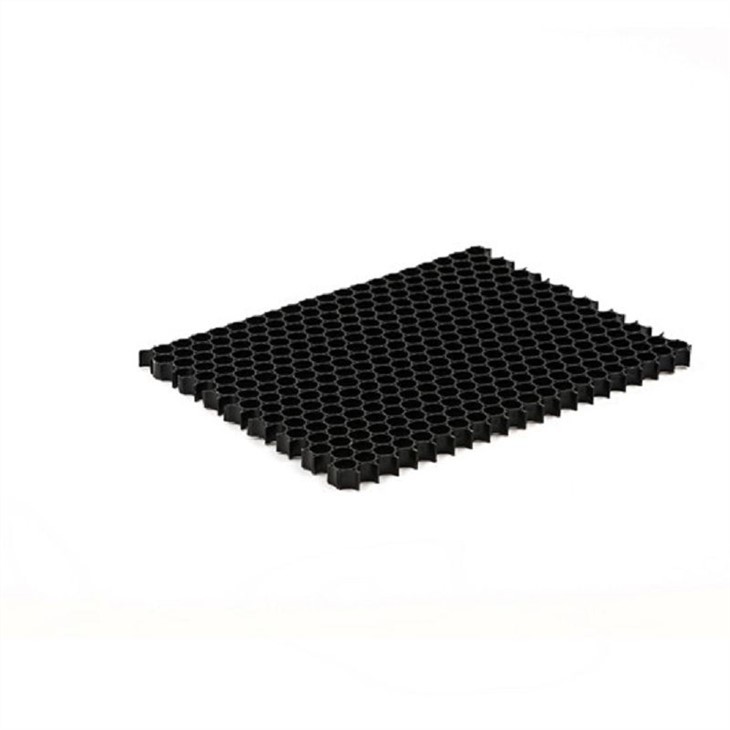
PP Honeycomb Core is a lightweight, high - strength material made from polypropylene. Its unique honeycomb structure provides excellent stiffness - to - weight ratio, which is why it's widely used in many applications. The core consists of a series of hexagonal cells that are bonded together, creating a rigid yet lightweight panel.
One of the key advantages of PP Honeycomb Core is its thermoplastic nature. This makes it recyclable, which is an important consideration in today's environmentally conscious world. You can learn more about the Thermoplastic Honeycomb Core on our website.
Factors to Consider When Choosing PP Honeycomb Core
1. Application Requirements
The first step in choosing the right PP Honeycomb Core is to clearly define the requirements of your application. For example, if you're using it in the aerospace industry, weight reduction is often a top priority. PP Honeycomb Core can offer significant weight savings compared to traditional materials without sacrificing strength.
On the other hand, if you're using it in construction for Honeycomb - building - panels, factors like fire resistance, insulation properties, and load - bearing capacity become crucial. Different applications will have different performance criteria, and it's essential to match the core's properties to these requirements.
2. Cell Size
The cell size of the PP Honeycomb Core is an important factor. Smaller cell sizes generally offer higher strength and stiffness, but they also tend to be heavier. Larger cell sizes, on the other hand, are lighter but may have lower strength.
For applications where high precision and fine details are required, such as in some furniture manufacturing or high - end display panels, a smaller cell size might be more appropriate. In contrast, for applications where weight is the primary concern, like in some automotive interior components, a larger cell size could be a better choice.
3. Density
The density of the PP Honeycomb Core is another critical parameter. Higher density cores are stronger and more rigid, but they come at the cost of increased weight. Lower density cores are lighter but may not be able to withstand as much stress.
When considering density, you need to balance the strength requirements of your application with the weight limitations. For example, in marine applications, where buoyancy is important, a lower density core might be preferred, but it still needs to be strong enough to withstand the harsh marine environment.
4. Surface Finish
The surface finish of the PP Honeycomb Core can affect its compatibility with other materials and its overall appearance. Some applications may require a smooth surface finish for easy bonding or a specific aesthetic.
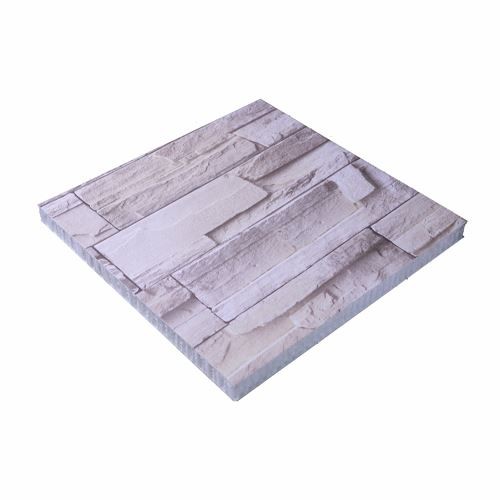
There are different surface treatments available, such as laminating the core with a film or applying a coating. A smooth surface finish can also improve the core's resistance to moisture and chemicals, which is important in applications where the core will be exposed to harsh conditions.
5. Chemical Resistance
Depending on the application, the PP Honeycomb Core may be exposed to various chemicals. It's important to choose a core that has good chemical resistance. Polypropylene is generally resistant to many common chemicals, but the specific formulation of the core can affect its resistance.
For example, in the chemical processing industry, the core may come into contact with strong acids or bases. In such cases, a core with enhanced chemical resistance should be selected to ensure its long - term performance.
Industry - Specific Considerations
Aerospace Industry
In the aerospace industry, weight is a critical factor. Every gram of weight reduction can lead to significant fuel savings over the lifetime of an aircraft. PP Honeycomb Core offers an excellent solution as it provides high strength at a low weight.
However, the core also needs to meet strict safety and performance standards. It must be able to withstand high - altitude conditions, including extreme temperatures and low pressures. Additionally, it should have good fire resistance to ensure passenger safety.
Construction Industry
In construction, PP Honeycomb Core is often used in building panels. The core needs to have good insulation properties to reduce energy consumption in buildings. It should also be able to support the weight of the building materials and any additional loads.
Fire resistance is another important consideration in construction. Building codes often require materials to meet certain fire safety standards. PP Honeycomb Core can be treated to improve its fire - retardant properties, making it suitable for use in various building applications.
Automotive Industry
In the automotive industry, weight reduction is a key goal to improve fuel efficiency and performance. PP Honeycomb Core can be used in interior components, such as door panels and seat backs, to reduce weight without sacrificing comfort or durability.
The core also needs to have good acoustic properties to reduce noise inside the vehicle. Additionally, it should be able to withstand the vibrations and impacts associated with driving.
Working with a Supplier
As a PP Honeycomb Core supplier, I understand the importance of providing high - quality products and excellent customer service. When choosing a supplier, here are some things to consider:
Technical Expertise
A good supplier should have in - depth technical knowledge of PP Honeycomb Core. They should be able to help you select the right core for your application based on your specific requirements. They can also provide advice on installation, bonding, and maintenance.
Customization Capabilities
Every application is unique, and you may need a customized PP Honeycomb Core. A supplier with customization capabilities can tailor the core's properties, such as cell size, density, and surface finish, to meet your exact needs.
Quality Assurance
Quality is crucial when it comes to PP Honeycomb Core. A reliable supplier should have a strict quality control system in place to ensure that the cores meet the required standards. This includes testing the cores for strength, density, and other properties.
Delivery and Support
Timely delivery is essential to keep your project on schedule. A good supplier should be able to provide reliable delivery services. They should also offer after - sales support, such as helping you troubleshoot any issues that may arise during the installation or use of the core.
Conclusion
Choosing the right PP Honeycomb Core for a specific application is a complex process that requires careful consideration of multiple factors. By understanding the application requirements, considering the core's properties such as cell size, density, surface finish, and chemical resistance, and taking into account industry - specific considerations, you can make an informed decision.
As a PP Honeycomb Core supplier, we are committed to providing you with the best products and services. If you're in the process of selecting a PP Honeycomb Core for your project, we'd love to have a conversation with you. Our team of experts can help you choose the right core and provide all the support you need. Contact us to start the procurement discussion and take your project to the next level.
References
- "Plastics in Aerospace Applications" - A technical report on the use of plastics in the aerospace industry.
- "Construction Materials Handbook" - A comprehensive guide on various construction materials, including PP Honeycomb Core.
- "Automotive Lightweighting Technologies" - A publication on the latest technologies for reducing weight in the automotive industry.