

Hey there! As a supplier of Honeycomb Composite Boards, I've seen firsthand how the honeycomb structure works wonders for the performance of these boards. So, let's dive right in and explore how this amazing structure contributes to the board's performance.
Lightweight Yet Strong
One of the most significant advantages of the honeycomb structure in Honeycomb Composite Boards is its ability to provide a high strength - to - weight ratio. The hexagonal cells in the honeycomb are arranged in a way that distributes stress evenly across the board. This means that even though the board is relatively lightweight, it can withstand a significant amount of load.
Imagine building a large - scale display or a partition wall. You don't want a heavy board that's difficult to handle and install. With a Honeycomb Composite Board, you get the strength you need without the excessive weight. The honeycomb structure acts like a network of tiny support beams, holding up the board and preventing it from sagging or breaking under pressure.
This lightweight nature also reduces transportation costs. Less weight means less fuel consumption during shipping, which is not only cost - effective but also more environmentally friendly. If you're interested in lightweight yet strong solutions for your projects, you can check out our Honeycomb - building - panels.
Excellent Insulation
The honeycomb structure provides excellent insulation properties. The air trapped within the hexagonal cells acts as a natural insulator, reducing heat transfer through the board. This is especially useful in applications where temperature control is crucial, such as in refrigerated trucks, cold storage facilities, and energy - efficient buildings.
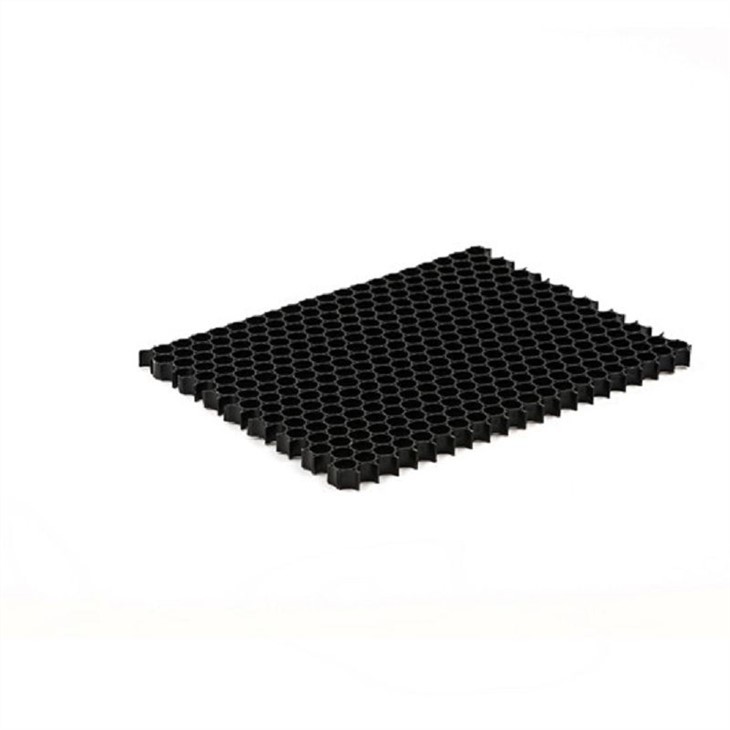
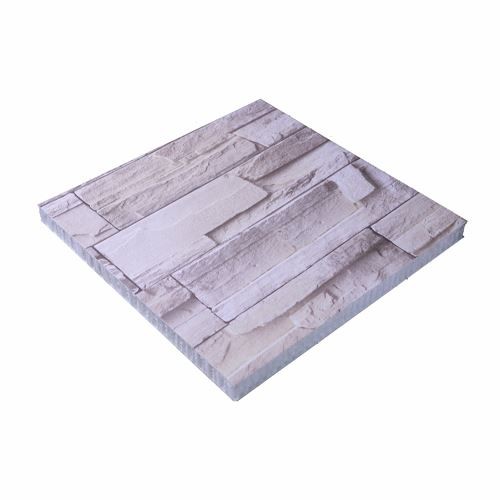
In a building, using Honeycomb Composite Boards can help keep the interior cool in summer and warm in winter. This reduces the reliance on heating and cooling systems, leading to significant energy savings. Similarly, in a refrigerated truck, the insulation provided by the honeycomb structure helps maintain a stable temperature inside the cargo area, ensuring the quality of the goods being transported.
Our Thermoplastic Honeycomb Core is a great example of a product that takes advantage of the honeycomb structure's insulation capabilities. It's made from thermoplastic materials that further enhance its insulation performance.
Sound Insulation
Not only does the honeycomb structure offer thermal insulation, but it also provides good sound insulation. The air - filled cells absorb sound waves, reducing the amount of noise that passes through the board. This makes Honeycomb Composite Boards ideal for use in noise - sensitive environments such as recording studios, theaters, and offices.
In an office setting, for instance, using honeycomb - structured boards for partitions can help create a more peaceful and productive work environment. Employees won't be distracted by the noise from adjacent areas, and confidential conversations can be kept private.
High Rigidity
Despite their lightweight, Honeycomb Composite Boards have high rigidity. The honeycomb structure gives the board a stiffness that allows it to maintain its shape even under heavy loads. This is crucial in applications where the board needs to have a flat and stable surface, such as in furniture manufacturing and signage.
When making a large - format sign, for example, the board needs to stay flat and not warp over time. The honeycomb structure ensures that the sign remains in good condition, looking professional and attractive. In furniture, the high rigidity of the honeycomb - structured boards means that the pieces are more durable and can withstand regular use.
Cost - Effectiveness
In the long run, Honeycomb Composite Boards are cost - effective. Their lightweight nature reduces transportation and installation costs. Additionally, their insulation properties can lead to energy savings over time. And because they are durable and have a long lifespan, you won't have to replace them as often as other types of boards.
For a construction project, using Honeycomb Composite Boards can save on both upfront and long - term costs. You'll spend less on shipping and installation, and you'll also benefit from lower energy bills in the building's operation.
Versatility
The honeycomb structure makes Honeycomb Composite Boards highly versatile. They can be easily cut, shaped, and joined to fit different design requirements. Whether you need a curved panel for an architectural feature or a custom - sized board for a specific application, these boards can be adapted to meet your needs.
They can also be used in a wide range of industries, including construction, transportation, aerospace, and furniture manufacturing. This versatility makes them a popular choice for designers and engineers who are looking for a single material that can serve multiple purposes.
Moisture Resistance
The honeycomb structure in Honeycomb Composite Boards provides good moisture resistance. The closed - cell design of the honeycomb prevents water from seeping into the board, which helps to prevent rot, mold, and mildew. This is particularly important in outdoor applications or in areas with high humidity.
For example, if you're using the boards for an outdoor deck or a boat interior, the moisture resistance of the honeycomb structure ensures that the boards will last longer and maintain their performance even in wet conditions.
Conclusion
In conclusion, the honeycomb structure is a game - changer when it comes to the performance of Honeycomb Composite Boards. It offers a combination of lightweight, strength, insulation, soundproofing, rigidity, cost - effectiveness, versatility, and moisture resistance. Whether you're in the construction industry, transportation, or any other field that requires high - performance boards, these honeycomb - structured boards are a great choice.
If you're interested in learning more about our Honeycomb Composite Boards or want to discuss a potential project, don't hesitate to reach out. We're here to help you find the perfect solution for your needs.
References
- "Engineering Materials: Properties and Selection" by George E. Dieter
- "Building Materials: Principles, Properties, and Selection" by Robert H. Sproull