

Yo, folks! I'm a supplier of PP Honeycomb Core, and today I wanna chat about how the aging process affects the properties of this nifty material. PP Honeycomb Core is a super useful stuff, finding its way into all sorts of applications, from Honeycomb-building-panels to Thermoplastic Honeycomb Core. But like everything else, it doesn't stay the same forever, and aging can really throw a wrench in its performance.
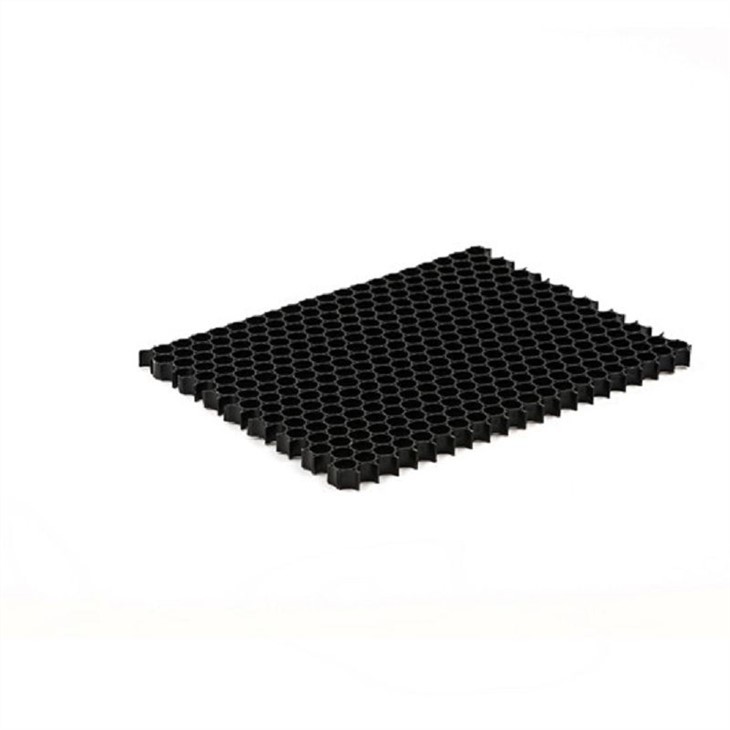
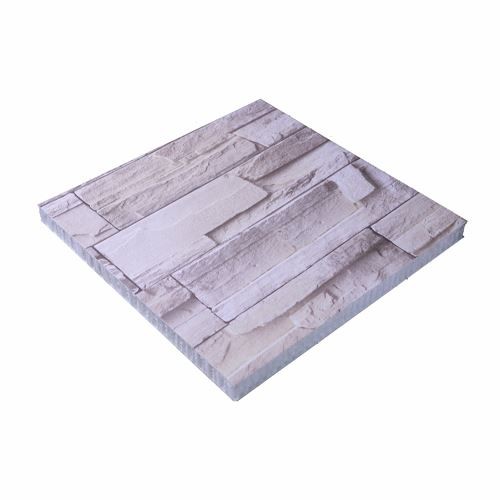
What's PP Honeycomb Core Anyway?
Before we dig into the aging stuff, let's quickly go over what PP Honeycomb Core is. It's made from polypropylene, a type of plastic that's known for being lightweight, strong, and resistant to chemicals. The honeycomb structure gives it excellent stiffness and strength-to-weight ratio. That's why it's so popular in industries where you need something light but tough, like aerospace, automotive, and construction.
How Aging Kicks In
Aging of PP Honeycomb Core can happen due to a bunch of factors. The most common ones are exposure to heat, light, oxygen, and moisture. These elements can cause chemical reactions in the polypropylene, breaking down its molecular structure over time.
Heat
Heat is a major culprit. When PP Honeycomb Core is exposed to high temperatures for long periods, the polypropylene starts to degrade. The heat can cause the polymer chains to break, which reduces the material's strength and stiffness. You might notice that the core becomes more brittle and prone to cracking.
Light
UV light from the sun is another enemy. It can penetrate the surface of the PP Honeycomb Core and cause photo-oxidation. This process creates free radicals in the polymer, which react with oxygen and break down the chains. Over time, the material can become discolored, and its mechanical properties can deteriorate.
Oxygen
Oxygen in the air can also react with the polypropylene, especially at high temperatures. This oxidation process can lead to the formation of carbonyl groups in the polymer, which weakens the material. The longer the exposure to oxygen, the more severe the damage.
Moisture
Moisture can seep into the PP Honeycomb Core and cause swelling. This can disrupt the honeycomb structure and reduce the material's strength. In addition, moisture can also accelerate the oxidation process, making the aging even worse.
Effects on Physical Properties
Density
As the PP Honeycomb Core ages, its density can change. The breakdown of the polymer chains can create voids in the material, which reduces its overall density. This might not seem like a big deal at first, but a change in density can affect the material's buoyancy and insulation properties.
Color
One of the most visible signs of aging is a change in color. The PP Honeycomb Core can turn yellow or brown due to the oxidation and photo-oxidation processes. This not only affects the appearance but can also be an indication of underlying structural damage.
Surface Roughness
The surface of the PP Honeycomb Core can become rougher as it ages. The breakdown of the polymer can cause the surface to become pitted and uneven. This can affect the material's ability to bond with other materials and can also make it more difficult to clean.
Effects on Mechanical Properties
Tensile Strength
Tensile strength is a measure of how much force a material can withstand before it breaks. As the PP Honeycomb Core ages, its tensile strength decreases. The breakdown of the polymer chains weakens the material, making it more likely to fail under stress.
Flexural Strength
Flexural strength is the ability of a material to resist bending. Aging can also reduce the flexural strength of the PP Honeycomb Core. The loss of stiffness due to the breakdown of the polymer chains makes the material more flexible and less able to support loads.
Impact Resistance
Impact resistance is important in applications where the material might be subjected to sudden shocks. As the PP Honeycomb Core ages, its impact resistance decreases. The material becomes more brittle and is more likely to crack or shatter when hit.
How to Mitigate the Effects of Aging
So, what can we do to slow down the aging process of PP Honeycomb Core? Here are some tips:
Use Additives
Additives can be added to the polypropylene during the manufacturing process to improve its resistance to heat, light, and oxygen. For example, antioxidants can be used to prevent oxidation, and UV stabilizers can be added to protect against UV light.
Coating
Applying a protective coating to the surface of the PP Honeycomb Core can also help. The coating can act as a barrier, preventing moisture, oxygen, and UV light from reaching the material.
Storage
Proper storage is crucial. The PP Honeycomb Core should be stored in a cool, dry place away from direct sunlight. This can significantly slow down the aging process.
Conclusion
As a supplier of PP Honeycomb Core, I know how important it is to understand the effects of aging on this material. By being aware of the factors that cause aging and taking steps to mitigate them, we can ensure that our customers get the best performance from our products.
If you're in the market for high-quality PP Honeycomb Core, don't hesitate to reach out. Whether you need it for Honeycomb-building-panels or Thermoplastic Honeycomb Core applications, we've got you covered. Let's have a chat and see how we can meet your specific needs.
References
- "Polymer Aging and Degradation" by John M. G. Cowie
- "Plastics Materials" by J. A. Brydson
- "Handbook of Polymer Degradation" by Miguel A. Gómez