

Hey there! As a supplier of honeycomb composite boards, I often get asked about how these amazing materials resist chemical corrosion. It's a crucial question, especially for industries where exposure to various chemicals is a daily thing. So, let's dive right in and explore the ins and outs of how honeycomb composite boards stand up to chemical attacks.
First off, let's understand what honeycomb composite boards are. They're made up of a honeycomb core sandwiched between two outer layers. The honeycomb core, like the Thermoplastic Honeycomb Core, provides excellent structural support, while the outer layers add protection and a smooth finish. These boards are used in a wide range of applications, from aerospace to construction, thanks to their lightweight yet strong nature.
Now, when it comes to chemical corrosion, it's all about the materials used in the board and how they interact with chemicals. The honeycomb core is typically made from materials like thermoplastics or metals, each with its own set of properties that contribute to corrosion resistance.
Material Selection
One of the key factors in chemical corrosion resistance is the choice of materials. For example, thermoplastic honeycomb cores are known for their excellent chemical resistance. Thermoplastics like polypropylene (PP) are inherently resistant to many chemicals, including acids, alkalis, and solvents. This is because of their molecular structure, which makes it difficult for chemicals to break down the material.
When chemicals come into contact with a thermoplastic honeycomb core, the molecules in the plastic form a barrier that prevents the chemicals from penetrating the material. This barrier is like a shield, protecting the core from damage. Additionally, thermoplastics have low water absorption rates, which means they're less likely to be affected by moisture, another common cause of corrosion.
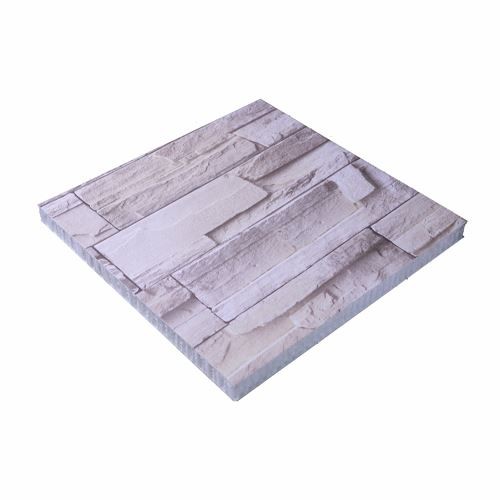
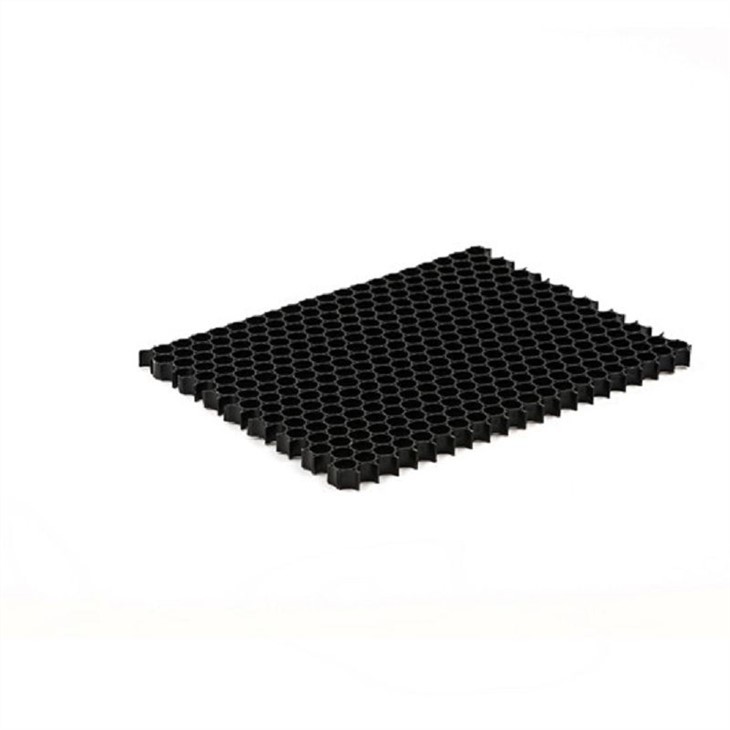
On the other hand, if the honeycomb core is made from metal, it can also be treated to enhance its chemical resistance. For example, aluminum honeycomb cores can be anodized, a process that creates a protective oxide layer on the surface of the metal. This oxide layer acts as a barrier against chemicals, preventing them from reaching the underlying metal and causing corrosion.
Surface Treatments
In addition to the materials used in the honeycomb core, the outer layers of the composite board also play a crucial role in chemical corrosion resistance. These outer layers can be treated with special coatings or finishes to enhance their resistance to chemicals.
For example, some honeycomb composite boards are coated with a chemical-resistant paint or resin. This coating acts as an additional barrier between the board and the chemicals, providing an extra layer of protection. The coating can be formulated to resist specific chemicals or a wide range of chemicals, depending on the application.
Another common surface treatment is the use of a laminate. Laminates are thin sheets of material that are bonded to the surface of the board. They can be made from a variety of materials, including plastics, metals, or ceramics, each with its own set of properties that contribute to chemical corrosion resistance.
Design Features
The design of the honeycomb composite board also plays a role in its chemical corrosion resistance. The honeycomb structure itself provides a natural barrier against chemicals. The hexagonal cells in the honeycomb core act as a maze, making it difficult for chemicals to penetrate the board.
Additionally, the design of the board can be optimized to prevent the accumulation of chemicals. For example, the board can be designed with a smooth surface to prevent chemicals from sticking to it. It can also be designed with drainage channels to allow any chemicals that do come into contact with the board to drain away quickly.
Real-World Applications
Now that we've explored how honeycomb composite boards resist chemical corrosion, let's take a look at some real-world applications where this property is crucial.
In the aerospace industry, honeycomb composite boards are used in a variety of applications, including aircraft interiors, wing structures, and engine components. These components are often exposed to a wide range of chemicals, including fuels, lubricants, and cleaning agents. The chemical corrosion resistance of honeycomb composite boards ensures that these components can withstand the harsh environment of flight without being damaged.
In the construction industry, honeycomb composite boards are used in building facades, partitions, and flooring. These applications are often exposed to chemicals such as acids, alkalis, and solvents, which can cause corrosion and damage to traditional building materials. The chemical corrosion resistance of honeycomb composite boards makes them an ideal choice for these applications, ensuring that the building remains structurally sound and aesthetically pleasing for years to come.
In the automotive industry, honeycomb composite boards are used in interior components, such as dashboards, door panels, and seats. These components are often exposed to chemicals such as oils, greases, and cleaning agents, which can cause corrosion and damage to traditional materials. The chemical corrosion resistance of honeycomb composite boards ensures that these components can withstand the daily wear and tear of automotive use without being damaged.
Conclusion
In conclusion, honeycomb composite boards are an excellent choice for applications where chemical corrosion resistance is crucial. The combination of material selection, surface treatments, and design features makes these boards highly resistant to a wide range of chemicals.
Whether you're in the aerospace, construction, or automotive industry, honeycomb composite boards can provide the protection you need to ensure the longevity and performance of your products. If you're interested in learning more about our honeycomb composite boards or have any questions about their chemical corrosion resistance, please don't hesitate to contact us. We'd be happy to discuss your specific needs and provide you with a customized solution.
So, if you're looking for a high-quality, chemical-resistant honeycomb composite board, look no further. Contact us today to start the conversation and see how we can help you with your next project.
References
- "Handbook of Composites" by Luigi Nicolais and Antonio Borzacchiello
- "Composite Materials: Design and Applications" by David Hull and Timothy W. Clyne
- "Chemical Resistance of Plastics and Elastomers" by Charles A. Harper