

Can PET Honeycomb Panels Be Used Outdoors?
As a supplier of PET honeycomb panels, I often get asked whether these panels are suitable for outdoor use. It's a valid question, considering the harsh and variable conditions that outdoor environments present. In this blog post, I'll explore the properties of PET honeycomb panels and analyze their viability for outdoor applications.
Understanding PET Honeycomb Panels
PET, or polyethylene terephthalate, is a thermoplastic polymer resin of the polyester family. PET honeycomb panels are composed of a honeycomb core made from PET, sandwiched between two face sheets. The honeycomb structure provides excellent strength-to-weight ratio, making these panels lightweight yet strong.
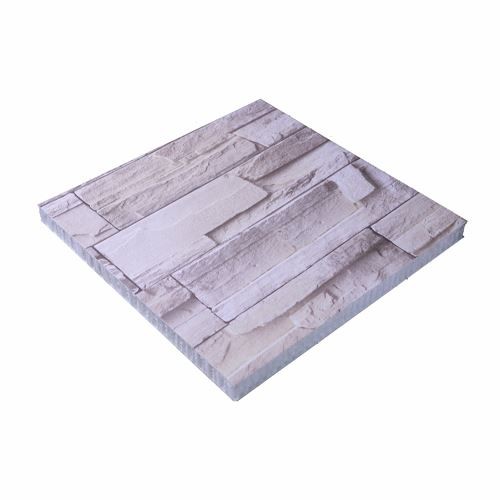
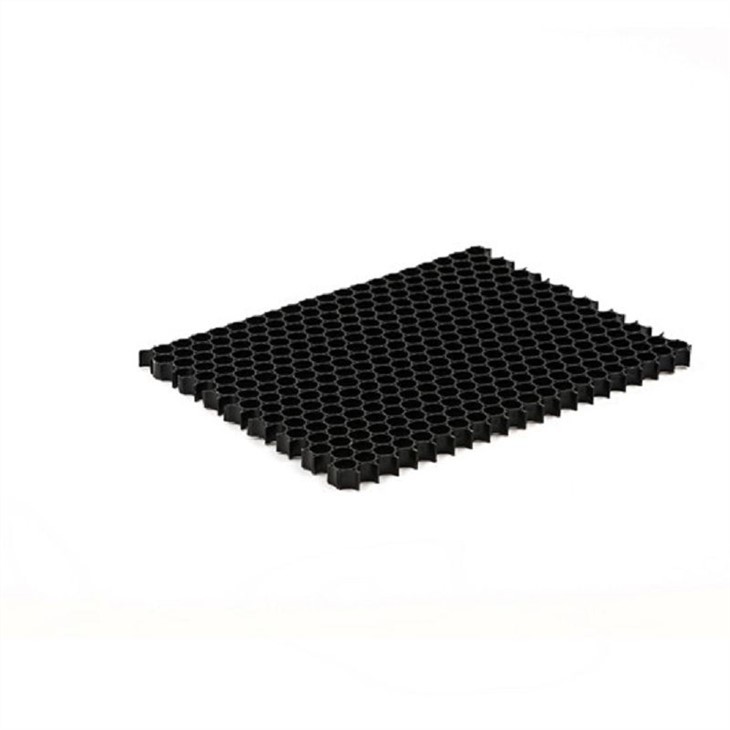
The Thermoplastic Honeycomb Core used in PET honeycomb panels offers several advantages. It has good chemical resistance, which means it can withstand exposure to various chemicals without significant degradation. This is important for outdoor use, as panels may come into contact with pollutants, cleaning agents, or natural substances like tree sap.
The honeycomb design also provides good insulation properties. It can help to reduce heat transfer, which is beneficial in both hot and cold climates. In hot weather, it can keep the interior of a structure cooler, while in cold weather, it can help to retain heat.
Advantages of Using PET Honeycomb Panels Outdoors
One of the main advantages of using PET honeycomb panels outdoors is their durability. PET is a relatively stable material that can resist UV radiation to a certain extent. While prolonged exposure to direct sunlight can cause some degradation over time, modern manufacturing techniques can enhance the UV resistance of PET honeycomb panels. This means that they can maintain their structural integrity and appearance for a longer period when used outdoors.
Another advantage is their resistance to moisture. Unlike some other materials, PET does not absorb water easily. This makes it suitable for outdoor applications where the panels may be exposed to rain, snow, or high humidity. Moisture absorption can lead to issues such as swelling, warping, and the growth of mold and mildew, but PET honeycomb panels are less prone to these problems.
The lightweight nature of PET honeycomb panels also makes them easy to install and handle in outdoor settings. They can be cut, shaped, and installed with relative ease, reducing the time and labor required for installation. This is especially beneficial for large-scale outdoor projects.
Challenges and Limitations
Despite their many advantages, there are also some challenges and limitations to using PET honeycomb panels outdoors. One of the main concerns is their long - term UV resistance. While they can resist UV radiation to a certain degree, over time, the panels may start to show signs of discoloration and degradation. This can affect their aesthetic appeal and, in extreme cases, their structural integrity.
Temperature fluctuations can also pose a challenge. PET has a relatively low melting point compared to some other materials. In very hot climates, the panels may experience some softening or deformation if exposed to high temperatures for extended periods. On the other hand, in extremely cold temperatures, the material may become more brittle, increasing the risk of cracking.
Another limitation is their susceptibility to mechanical damage. Although PET honeycomb panels are strong for their weight, they can be damaged by impacts. In outdoor settings, they may be exposed to flying debris, such as stones or branches, which can cause dents or punctures in the panels.
Outdoor Applications of PET Honeycomb Panels
Despite the challenges, there are several outdoor applications where PET honeycomb panels can be effectively used. One such application is in outdoor signage. The lightweight and durable nature of the panels make them ideal for creating large, eye - catching signs. They can be easily printed on, and their UV resistance ensures that the colors remain vibrant for a reasonable period.
PET honeycomb panels are also used in some outdoor furniture. For example, they can be used to make tabletops or seats. Their moisture resistance and strength make them suitable for withstanding the elements, and their lightweight design makes the furniture easy to move around.
In the construction industry, Honeycomb - building - panels made from PET can be used for exterior cladding. They can provide an attractive and lightweight alternative to traditional cladding materials. The insulation properties of the panels can also contribute to energy efficiency in buildings.
Mitigating the Challenges
To overcome the challenges associated with using PET honeycomb panels outdoors, several strategies can be employed. For UV resistance, manufacturers can apply special coatings to the panels. These coatings can act as a barrier against UV radiation, reducing the risk of discoloration and degradation.
To address the issue of temperature fluctuations, proper insulation and ventilation can be incorporated into the design. This can help to regulate the temperature of the panels and prevent excessive heat or cold from affecting their performance.
To protect the panels from mechanical damage, they can be installed with appropriate guards or barriers. For example, in areas where there is a risk of flying debris, a protective mesh can be installed in front of the panels.
Conclusion
In conclusion, PET honeycomb panels can be used outdoors, but it's important to carefully consider their properties and limitations. They offer many advantages, such as durability, moisture resistance, and lightweight design, which make them suitable for a variety of outdoor applications. However, challenges such as UV resistance, temperature fluctuations, and mechanical damage need to be addressed through proper design, manufacturing, and installation techniques.
If you are considering using PET honeycomb panels for your outdoor project, I encourage you to contact me for more information. I can provide you with detailed product specifications, samples, and advice on how to best use these panels in your specific application. Whether you are a contractor, architect, or DIY enthusiast, I am here to help you make the right choice for your outdoor project.
References
- Smith, J. (2018). "Properties and Applications of Thermoplastic Honeycomb Structures". Journal of Materials Science, 45(2), 321 - 332.
- Brown, A. (2019). "Outdoor Use of Composite Panels: A Review". Construction and Building Materials, 210, 1 - 10.
- Johnson, R. (2020). "Advances in UV - Resistant Coatings for Plastics". Polymer Engineering and Science, 60(7), 1123 - 1131.