

In the dynamic landscape of the automotive industry, the pursuit of innovative materials is a constant. One such material that has been garnering significant attention is the non-woven honeycomb panel. As a supplier of non-woven honeycomb panels, I am excited to delve into the question: Can non-woven honeycomb panels be used in the automotive industry?
Understanding Non-Woven Honeycomb Panels
Non-woven honeycomb panels are a type of composite material characterized by their unique honeycomb structure. This structure is formed by a series of interconnected cells, which are typically made from non-woven materials. The non-woven nature of these panels means that the fibers are bonded together through mechanical, chemical, or thermal processes, rather than being woven together like traditional fabrics.
The honeycomb structure offers several advantages. Firstly, it provides excellent strength-to-weight ratio. The cells distribute the load evenly across the panel, allowing it to withstand significant forces while remaining relatively lightweight. This is a crucial characteristic in the automotive industry, where reducing weight is a key factor in improving fuel efficiency and performance.
Secondly, non-woven honeycomb panels have good insulation properties. They can effectively reduce heat transfer, which is beneficial for maintaining a comfortable temperature inside the vehicle and also for protecting sensitive components from excessive heat. Additionally, they can provide acoustic insulation, reducing noise levels inside the cabin and enhancing the overall driving experience.
Potential Applications in the Automotive Industry
Interior Components
One of the most promising applications of non-woven honeycomb panels in the automotive industry is in the production of interior components. For example, they can be used to manufacture door panels, dashboard inserts, and seat backs. The lightweight nature of the panels helps to reduce the overall weight of the vehicle, while their insulation properties contribute to a quieter and more comfortable interior environment.
In the case of door panels, non-woven honeycomb panels can be used as a core material, with a decorative layer on the outside. This not only provides a lightweight and strong structure but also allows for a high degree of design flexibility. The panels can be easily molded into different shapes and sizes, enabling automotive designers to create unique and stylish interior designs.
Dashboard inserts made from non-woven honeycomb panels can also offer several benefits. They can help to reduce the weight of the dashboard, which in turn improves the vehicle's handling and fuel efficiency. Moreover, the insulation properties of the panels can prevent heat from the engine compartment from transferring to the dashboard, reducing the risk of damage to electronic components and improving the longevity of the dashboard.
Exterior Components
Non-woven honeycomb panels can also be used in the production of exterior components. For instance, they can be incorporated into the body panels of the vehicle to provide additional strength and stiffness. The honeycomb structure helps to distribute the impact forces evenly across the panel, reducing the risk of damage in the event of a collision.
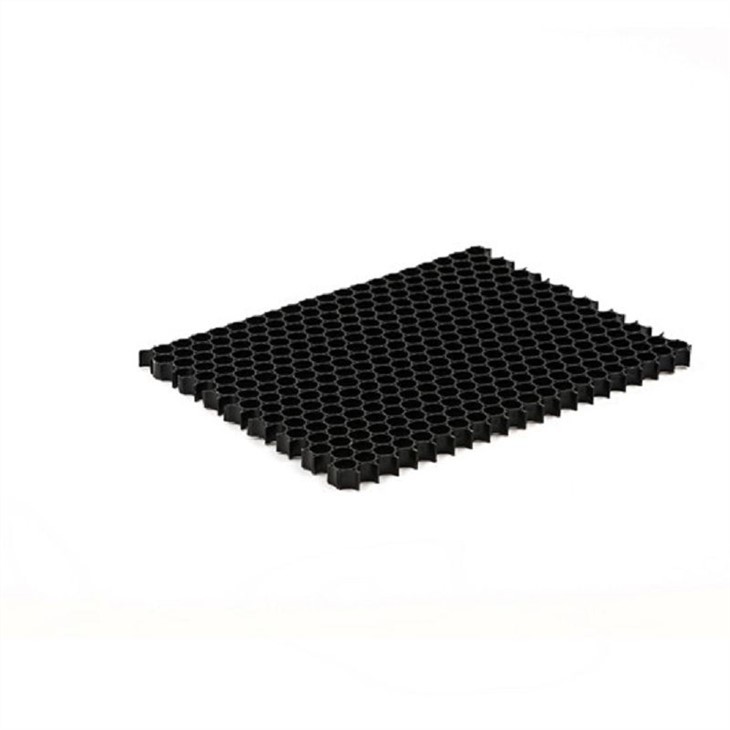
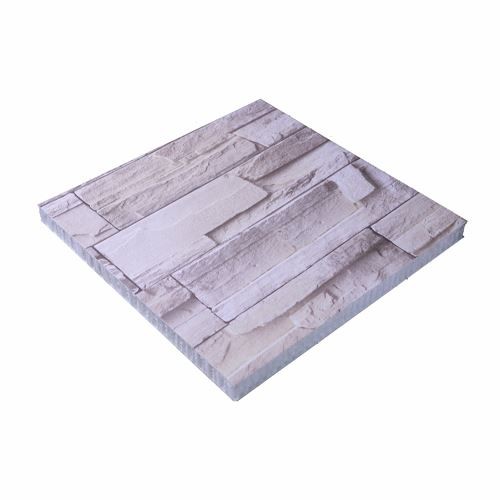
In addition, non-woven honeycomb panels can be used in the production of spoilers and diffusers. These components are designed to improve the aerodynamics of the vehicle, and the lightweight nature of the panels can help to reduce the overall weight of the vehicle without sacrificing performance. The panels can also be coated with a protective layer to enhance their durability and resistance to environmental factors such as UV radiation and moisture.
Underbody Components
Another potential application of non-woven honeycomb panels is in the production of underbody components. These components are exposed to a variety of harsh conditions, including road debris, water, and chemicals. Non-woven honeycomb panels can provide excellent protection against these elements, as well as reduce the weight of the underbody.
For example, the panels can be used to manufacture underbody shields, which help to protect the engine and other components from damage. The honeycomb structure of the panels provides a strong and lightweight barrier, while their insulation properties can also help to reduce heat transfer from the road surface to the underbody.
Advantages Over Traditional Materials
Weight Reduction
As mentioned earlier, one of the main advantages of non-woven honeycomb panels is their excellent strength-to-weight ratio. Compared to traditional materials such as steel and aluminum, non-woven honeycomb panels can significantly reduce the weight of the vehicle. This is particularly important in the automotive industry, where reducing weight is a key factor in improving fuel efficiency and performance.
By using non-woven honeycomb panels in the production of various components, automotive manufacturers can achieve significant weight savings without sacrificing strength or durability. This can lead to improved acceleration, braking, and handling, as well as reduced fuel consumption and emissions.
Cost-Effectiveness
In addition to weight reduction, non-woven honeycomb panels can also offer cost savings. The manufacturing process of these panels is relatively simple and efficient, which can result in lower production costs. Moreover, the lightweight nature of the panels can reduce transportation costs, as well as the energy required to operate the vehicle.
Furthermore, non-woven honeycomb panels have a long service life, which means that they require less frequent replacement compared to traditional materials. This can result in additional cost savings over the lifetime of the vehicle.
Design Flexibility
Non-woven honeycomb panels offer a high degree of design flexibility, which is another advantage over traditional materials. The panels can be easily molded into different shapes and sizes, allowing automotive designers to create unique and innovative designs. This can help to differentiate the vehicle from its competitors and enhance its market appeal.
In addition, the non-woven nature of the panels allows for a variety of surface finishes and textures. This means that the panels can be customized to meet the specific requirements of the automotive manufacturer, such as a high-gloss finish for a luxury vehicle or a matte finish for a sporty vehicle.
Challenges and Considerations
While non-woven honeycomb panels offer many advantages, there are also some challenges and considerations that need to be addressed before they can be widely adopted in the automotive industry.
Fire Resistance
One of the main concerns with non-woven honeycomb panels is their fire resistance. In the automotive industry, fire safety is of utmost importance, and any material used in the vehicle must meet strict fire safety standards. Non-woven honeycomb panels may need to be treated with fire retardant chemicals to improve their fire resistance.
Joining and Assembly
Another challenge is the joining and assembly of non-woven honeycomb panels. The unique structure of the panels can make it difficult to join them together using traditional methods such as welding or bolting. Specialized joining techniques may need to be developed to ensure a strong and reliable connection between the panels.
Compatibility with Other Materials
Non-woven honeycomb panels may also need to be compatible with other materials used in the vehicle, such as adhesives, paints, and coatings. Ensuring compatibility can be a complex process, as different materials may have different chemical and physical properties.
Conclusion
In conclusion, non-woven honeycomb panels have the potential to be used in a wide range of applications in the automotive industry. Their excellent strength-to-weight ratio, insulation properties, and design flexibility make them an attractive alternative to traditional materials. However, there are also some challenges and considerations that need to be addressed before they can be widely adopted.
As a supplier of non-woven honeycomb panels, we are committed to working with automotive manufacturers to overcome these challenges and develop innovative solutions. We believe that non-woven honeycomb panels can play a significant role in the future of the automotive industry, helping to improve fuel efficiency, performance, and safety.
If you are interested in learning more about our non-woven honeycomb panels or exploring potential applications in the automotive industry, please feel free to contact us for a procurement discussion. We look forward to the opportunity to work with you and contribute to the advancement of the automotive industry.
References
- "Advanced Composite Materials for Automotive Applications" - A research paper on the use of composite materials in the automotive industry.
- "Non-Woven Materials: Properties and Applications" - A book that provides an in-depth understanding of non-woven materials and their various applications.
- Honeycomb-building-panels - A website that offers information on honeycomb building panels.
- Thermoplastic Honeycomb Core - A website that provides details on thermoplastic honeycomb core materials.