

In recent years, the global construction industry has witnessed a significant shift towards sustainability, with green buildings becoming an increasingly popular choice. Green buildings are designed to minimize their environmental impact by using energy - efficient materials, reducing waste, and promoting healthy indoor environments. As a supplier of Honeycomb Building Panels, I often get asked whether these panels can be used in green buildings. In this blog post, I will explore the potential of honeycomb building panels in the context of green construction.
The Basics of Honeycomb Building Panels
Honeycomb building panels are composite materials that consist of a honeycomb core sandwiched between two outer layers. The honeycomb core is typically made from materials such as paper, aluminum, or Thermoplastic Honeycomb Core. The outer layers can be made of various materials including wood, metal, or plastic. This unique structure gives honeycomb building panels several advantageous properties.
One of the most notable features of honeycomb building panels is their high strength - to - weight ratio. The honeycomb structure distributes loads evenly across the panel, allowing it to withstand significant forces while remaining relatively lightweight. This property makes them ideal for applications where weight reduction is crucial, such as in high - rise buildings or mobile structures.
Another important characteristic is their excellent insulation properties. The air pockets within the honeycomb core act as natural insulators, reducing heat transfer and helping to maintain a stable indoor temperature. This can lead to significant energy savings in a building, as less energy is required for heating and cooling.
Energy Efficiency
Energy efficiency is a key aspect of green buildings. Buildings account for a large portion of global energy consumption, and reducing this consumption is essential for environmental sustainability. Honeycomb building panels can contribute to energy efficiency in several ways.
As mentioned earlier, their insulation properties help to reduce the need for heating and cooling systems. By minimizing heat transfer through the building envelope, these panels can keep the interior cooler in summer and warmer in winter. This translates into lower energy bills for the building occupants and a reduced carbon footprint.
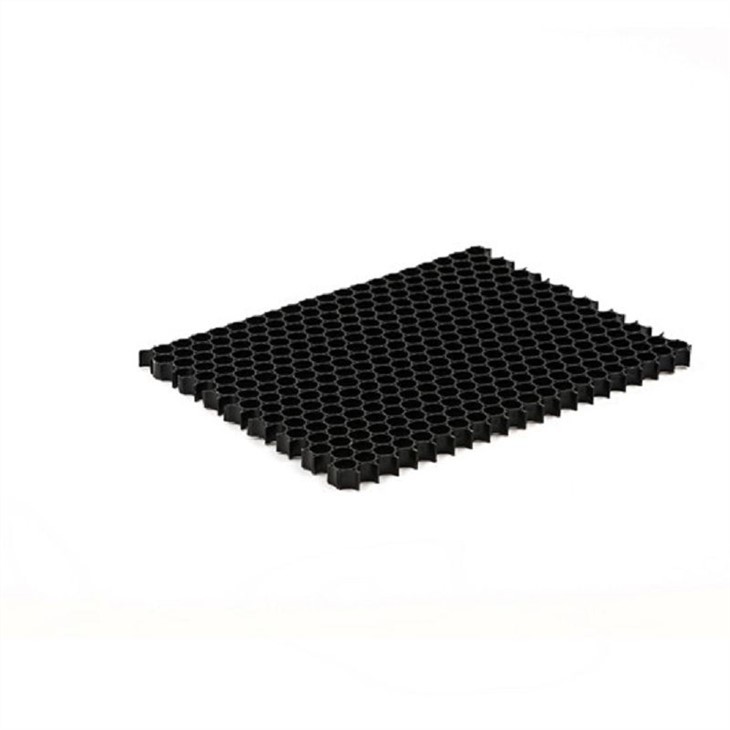
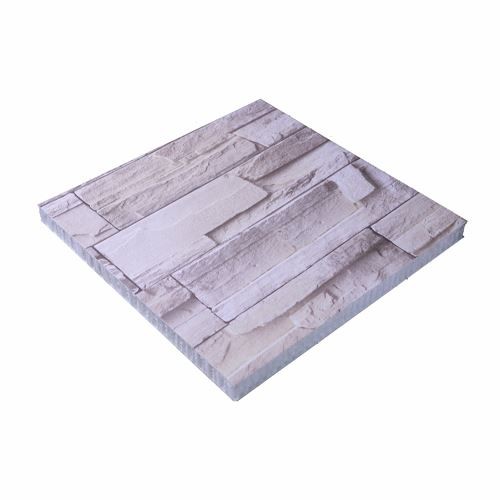
In addition, the lightweight nature of honeycomb building panels can also contribute to energy savings during the construction process. Less energy is required to transport and install these panels compared to heavier traditional building materials. This reduction in embodied energy, which is the total energy consumed during the production, transportation, and installation of a building material, is an important factor in green building design.
Environmental Sustainability
Sustainability is not just about energy efficiency; it also involves the use of environmentally friendly materials. Honeycomb building panels have several environmental benefits.
Many honeycomb cores are made from recyclable materials. For example, aluminum honeycomb cores can be recycled at the end of their life cycle, reducing waste and conserving natural resources. Similarly, thermoplastic honeycomb cores are also recyclable, and their production often uses less energy compared to traditional materials.
Moreover, the production process of honeycomb building panels can be relatively clean. Advanced manufacturing techniques ensure that there is minimal waste generated during production, and the process can be optimized to use fewer chemicals and pollutants. This makes honeycomb building panels a more sustainable choice compared to some traditional building materials.
Indoor Environmental Quality
Green buildings also aim to provide a healthy and comfortable indoor environment for occupants. Honeycomb building panels can contribute to this goal.
The insulation properties of these panels not only help with energy efficiency but also reduce noise transmission. The air pockets in the honeycomb core absorb sound waves, creating a quieter indoor environment. This is particularly beneficial in urban areas or buildings located near noisy sources such as traffic or industrial sites.
Furthermore, honeycomb building panels can be made from non - toxic materials, which is important for indoor air quality. Some traditional building materials may release harmful chemicals such as volatile organic compounds (VOCs) over time, which can have negative health effects on occupants. By using honeycomb building panels made from safe and non - toxic materials, the risk of indoor air pollution can be significantly reduced.
Design Flexibility
Another advantage of honeycomb building panels in green buildings is their design flexibility. These panels can be easily customized to meet the specific requirements of a building project.
They can be cut, shaped, and finished in a variety of ways, allowing architects and designers to create unique and aesthetically pleasing building facades. Whether it's a modern, minimalist design or a more traditional look, honeycomb building panels can be tailored to fit the overall design concept.
In addition, honeycomb building panels can be used in a wide range of applications within a building, including walls, floors, and ceilings. This versatility makes them a valuable option for green building projects, as they can be integrated into different aspects of the building's design.
Case Studies
There are already several successful examples of using Honeycomb - building - panels in green buildings. For instance, a recent commercial building project in a major city used honeycomb building panels for its exterior walls. The panels' insulation properties led to a 20% reduction in energy consumption for heating and cooling compared to a similar building using traditional materials. The lightweight nature of the panels also made the construction process faster and more efficient, reducing the overall construction time and energy use.
In a residential project, honeycomb building panels were used for the interior partitions. The noise - reducing properties of the panels created a peaceful and comfortable living environment, and the non - toxic materials ensured good indoor air quality. The homeowners reported lower energy bills and a higher level of satisfaction with the overall living experience.
Cost - Effectiveness
Cost is often a major consideration in any building project. While the initial cost of honeycomb building panels may be slightly higher than some traditional materials, their long - term cost - effectiveness should not be overlooked.
The energy savings achieved through the use of these panels can result in significant cost savings over the life of the building. Lower energy bills, reduced maintenance costs, and potential tax incentives for green building construction can all contribute to a positive return on investment.
In addition, the lightweight nature of honeycomb building panels can also lead to cost savings during construction. Less structural support is required, which can reduce the cost of the building's foundation and structural elements.
Conclusion
In conclusion, honeycomb building panels have great potential in green buildings. Their energy - efficient properties, environmental sustainability, contribution to indoor environmental quality, design flexibility, and cost - effectiveness make them a suitable choice for sustainable building projects.
As a supplier of honeycomb building panels, I am confident that these panels can play an important role in the future of green construction. If you are involved in a green building project or are considering using sustainable building materials, I encourage you to explore the possibilities of honeycomb building panels. Contact us to discuss your specific requirements and learn more about how our products can meet your needs. We are ready to work with you to create a more sustainable and energy - efficient building.
References
- "Green Building Design and Construction" by Charles Kibert
- "Energy - Efficient Building Envelopes" by John Krigger
- Industry reports on honeycomb building panel technology and applications