

Hey there! I'm a supplier of Non Slip Honeycomb Panels, and today I wanna dig into a super important question: Are non slip honeycomb panels fire - resistant?
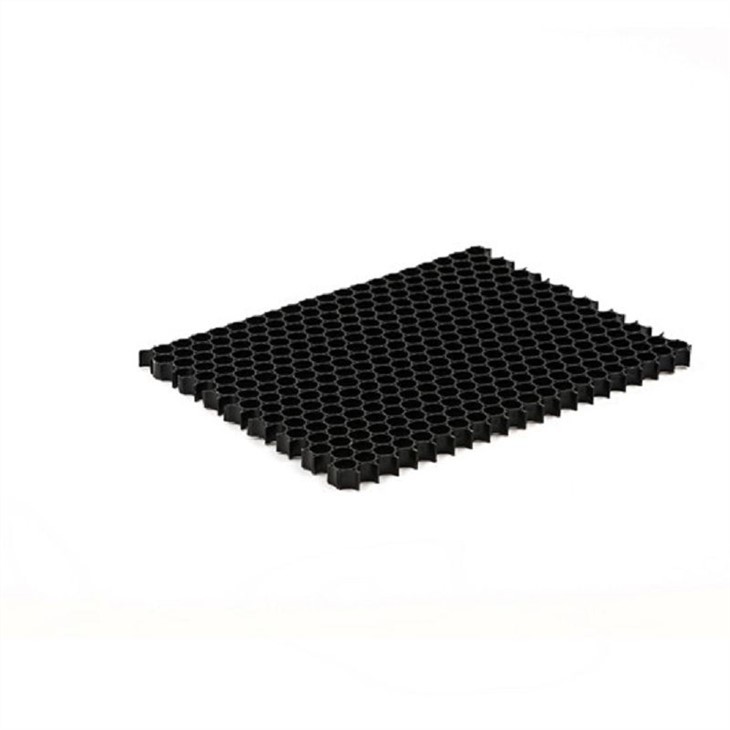
First off, let's understand what non slip honeycomb panels are. These panels are pretty cool. They've got a honeycomb structure inside, which gives them a great combination of strength and lightness. And the non - slip feature makes them ideal for a bunch of applications, like in industrial settings where safety is a big deal, or even in some architectural projects where people need a stable surface to walk on.
Now, onto the fire - resistance part. Fire resistance isn't a one - size - fits - all thing. There are different levels and standards when it comes to how well a material can withstand fire. To figure out if non slip honeycomb panels are fire - resistant, we need to look at the materials they're made of.
Most non slip honeycomb panels are made with a thermoplastic honeycomb core. You can learn more about this Thermoplastic Honeycomb Core. Thermoplastics are a type of plastic that can be melted and reshaped when heated. Some thermoplastics have better fire - resistant properties than others. For example, certain types of polypropylene (PP) used in honeycomb cores can be formulated to have some level of fire resistance.
Manufacturers can add fire - retardant additives to the thermoplastic material during the production process. These additives work in different ways. Some release gases that can smother the flames, while others form a protective char layer on the surface of the material when exposed to fire. This char layer acts as a barrier, preventing the fire from spreading quickly and protecting the underlying material.
But it's important to note that just because a panel has some fire - retardant additives doesn't mean it's completely fireproof. Fire - resistant is different from fireproof. Fire - resistant materials can slow down the spread of fire and give people more time to evacuate or for firefighters to arrive, but they will eventually burn if exposed to high - intensity fire for a long enough time.
In terms of building applications, there are strict fire safety codes and regulations. Buildings need to meet certain fire - resistance ratings. If you're using non slip honeycomb panels in a building, you need to make sure they meet these requirements. For instance, in commercial buildings, walls and partitions often need to have a certain fire - resistance rating, say 30 minutes or 60 minutes. This means that the panel should be able to withstand fire for that amount of time without allowing flames or excessive heat to pass through.
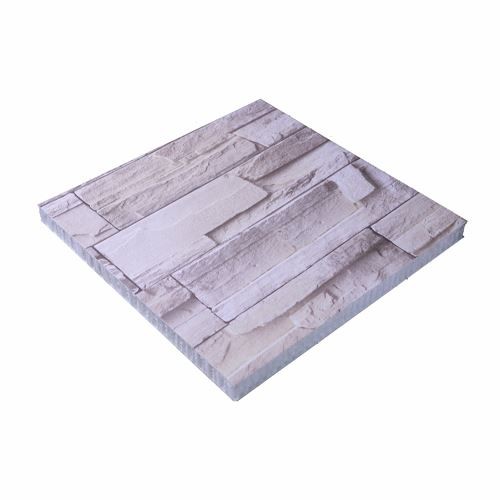
Honeycomb - building - panels are commonly used in construction. When it comes to fire safety in construction, architects and contractors need to carefully select the right type of non slip honeycomb panels. They'll look at the fire - resistance ratings provided by the manufacturer and make sure they match the requirements of the project.
Let's talk about some real - world scenarios. In a factory, non slip honeycomb panels might be used on walkways or platforms. If there's a fire in the factory, these panels need to hold up long enough to allow workers to safely exit the area. The fire - resistant properties of the panels can be crucial in preventing the fire from spreading quickly and causing more damage.
In a public building like a shopping mall, the use of fire - resistant non slip honeycomb panels can enhance the overall fire safety of the place. For example, they can be used in stairwells or corridors. Stairwells are important escape routes during a fire, and having fire - resistant panels can prevent the fire from blocking these routes too quickly.
However, not all non slip honeycomb panels on the market are created equal when it comes to fire resistance. There are some low - quality panels that may not have proper fire - retardant additives or may not meet the required fire - resistance standards. That's why it's essential to buy from a reliable supplier. As a supplier, I always make sure that the non slip honeycomb panels I offer are tested and certified to meet the relevant fire - safety standards.
We conduct various tests on our panels. One common test is the UL 94 test. This test evaluates the flammability of plastic materials. There are different ratings in the UL 94 test, such as V - 0, V - 1, and V - 2. A V - 0 rating means that the material self - extinguishes very quickly after the ignition source is removed and doesn't drip flaming particles. This is a high - level of fire - resistance.
Another important factor to consider is the thickness of the panel. Thicker panels generally have better fire - resistance than thinner ones. This is because there's more material to absorb and dissipate the heat from the fire. However, thicker panels may also be heavier and more expensive, so there's a trade - off that needs to be considered depending on the specific application.
In addition to the core material, the surface layer of the non slip honeycomb panel also plays a role in fire resistance. Some surface materials are more fire - resistant than others. For example, a panel with a metal or ceramic surface layer may have better fire - resistant properties compared to a panel with a regular plastic surface layer.
If you're in the market for non slip honeycomb panels and fire resistance is a concern, here are some things you should do. First, ask the supplier for the fire - resistance test reports and certifications. A reputable supplier will be able to provide you with detailed information about the panel's fire - resistance performance. Second, consider the specific requirements of your project. If it's a high - risk area, like a chemical plant or a power station, you'll need panels with a higher level of fire resistance.
As a supplier, I'm always happy to help customers understand the fire - resistance properties of our non slip honeycomb panels. We can work with you to find the right panel for your needs, whether it's for a small DIY project or a large - scale commercial building.
If you're interested in purchasing non slip honeycomb panels or have any questions about their fire - resistant properties, feel free to reach out. We can have a detailed discussion about your project requirements and how our panels can meet them. You can start a conversation with us to get more information and start the procurement process.
In conclusion, non slip honeycomb panels can be fire - resistant, but it depends on the materials used, the presence of fire - retardant additives, and the manufacturing process. It's crucial to choose panels that meet the necessary fire - safety standards for your specific application. And if you're in the market for these panels, don't hesitate to get in touch with us to discuss your options.
References
- Fire safety standards and regulations from local building codes
- Research on fire - retardant additives in thermoplastics
- Manufacturer's test reports and certifications for non slip honeycomb panels